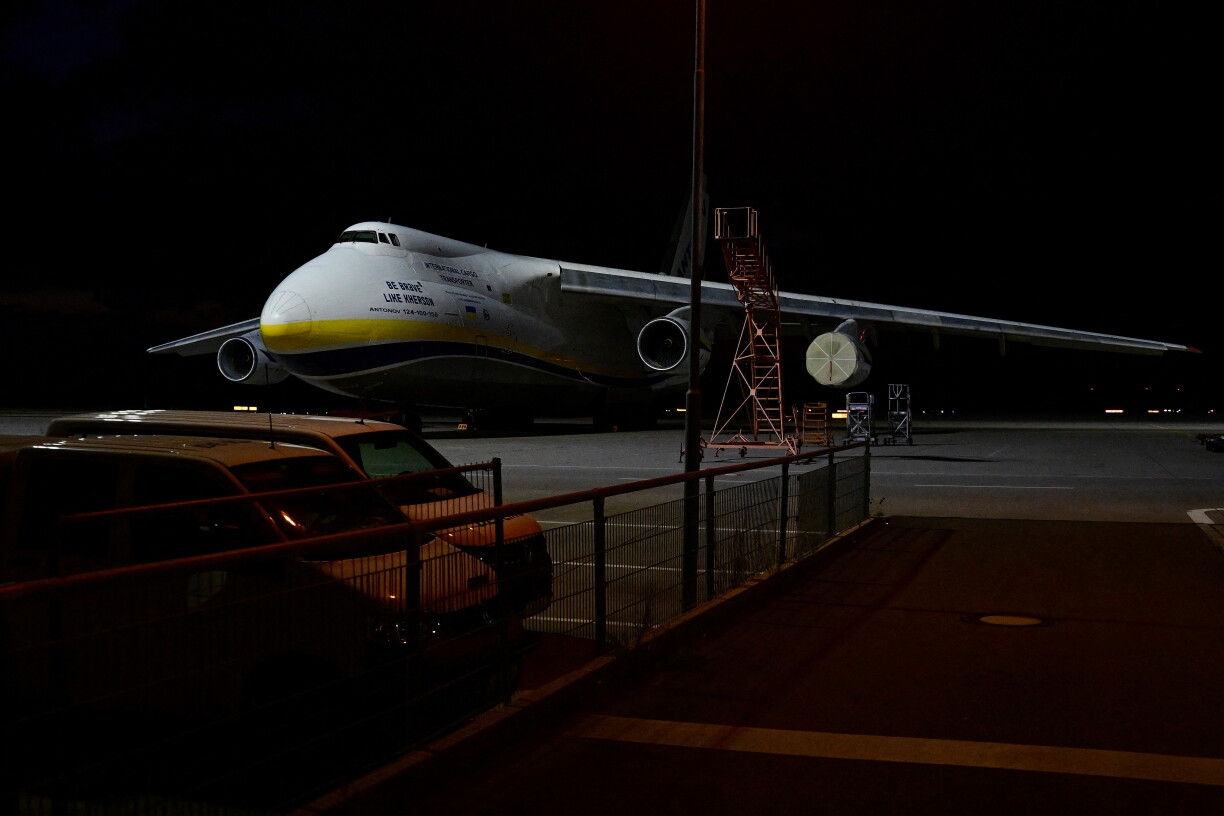
Germany has increasingly "found itself in the crosshairs of hybrid attackers", Merz said, referring to an incident this month at Leipzig airport, a crucial hub for military transports.
Police used a robot to defuse an explosive-laden drone found near a Ukrainian cargo plane and believe a second drone may have collided with a DHL aircraft nearby.
A third drone has since been discovered, also loaded with explosives, according to media reports Tuesday that have not been officially confirmed.
NATO member Germany – a major supporter of Ukraine in its fight against Russia – has long accused Moscow of targeting it with a campaign of hybrid attacks, espionage and sabotage.
However, Germany has not accused Russia of being behind the Leipzig incident, with Interior Minister Alexander Dobrindt only speaking of the suspicion a "foreign power" may be involved.
Merz, speaking at the start of a two-day cabinet retreat, said that perpetrators are "increasingly acting without scruples" and willing to cause or accept the risk of "severe property damage, injuries and fatalities".
The chancellor said the government was working with security services "on attributing the Leipzig attack" and that Berlin hoped "to present details and comment on the matter shortly".
Merz said the government was right to initiate a range of measures "to better protect our country and its population against hybrid attacks".
Among these are better drone defences and plans to empower security services to strike back against attackers at home and abroad, for example by hacking their computer servers.
"The government is imposing a cost on the perpetrators of hybrid attacks," Merz said. "They will pay for them."
He also vowed to "stay the course" on supporting Ukraine in its fight against Russia's invasion.
"The government is continuing its support for Ukraine with steadfast resolve", he said. "Today, we are its strongest supporter – not to prolong the war, but to force peace talks."
According to public broadcasters NDR, WDR and the Sueddeutsche Zeitung daily, German investigators on August 14 found a third drone near the Leipzig airport, and later discovered traces of the explosive military compound hexogen nearby.
The Federal Prosecutor’s Office declined to comment to AFP when asked about the matter.





