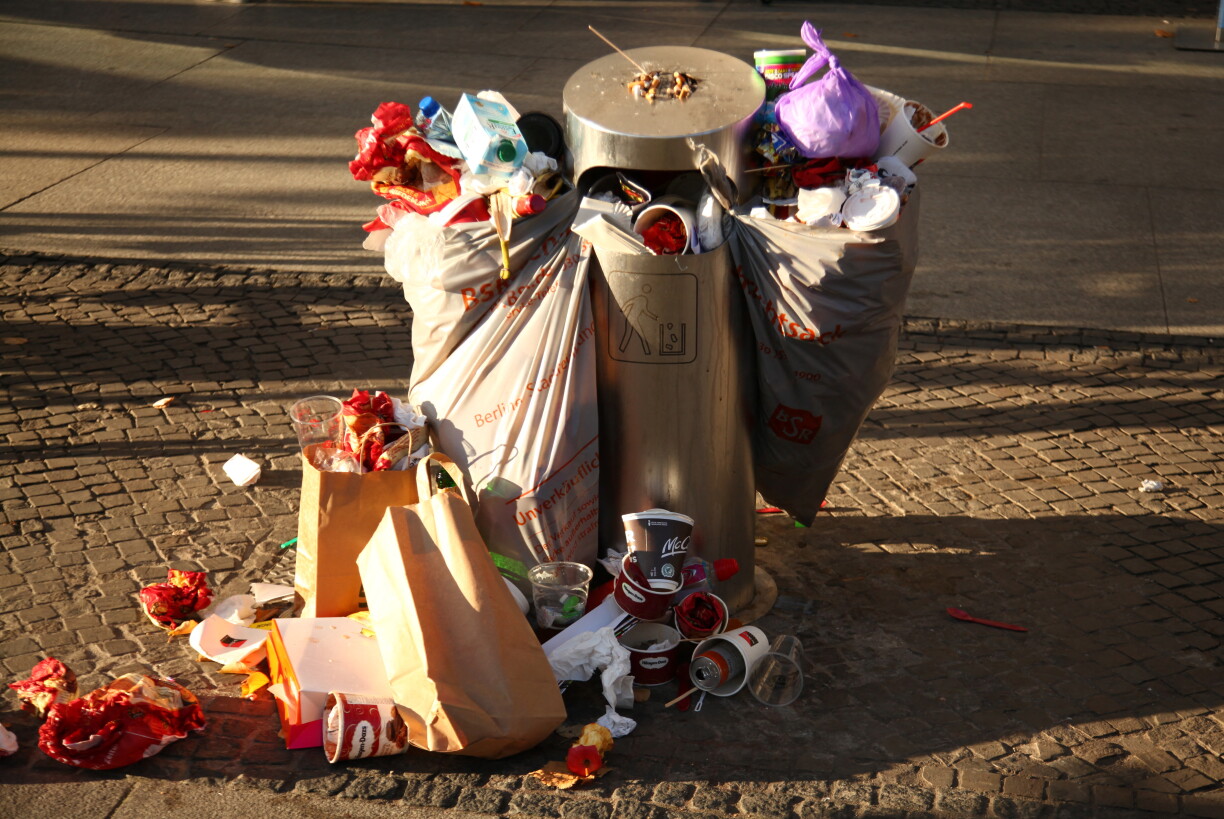
New rules governing the use and disposal of packaging came into force across the European Union on Tuesday, as part of an effort to tackle rising volumes of packaging waste and promote a more sustainable packaging industry. The main objectives are to produce less waste, increase recycling rates, and create a more circular economy in the EU.
According to figures published for 2023, the average European produced 178kg of packaging waste over the course of the year. Without significant policy intervention, that number could rise substantially by 2030.
The first major change concerns packaging that comes into contact with food. Stricter limits have now been introduced on so-called PFAS chemicals, designed to better protect consumers and the environment. In addition, all EU member states must introduce a deposit and return system for most plastic bottles and cans by 2029, following the example already set by Germany.
From 2028, larger restaurants and cafés will be required to offer reusable coffee cups. Importantly, these reusable options must not be more expensive for customers than single-use alternatives.
As of 2030, restaurants will no longer be permitted to provide small single-use plastic sachets for items such as sugar, salt, ketchup, or mayonnaise. That same year, stricter rules will come into effect to ensure that all packaging must be recyclable.
The European Commission views these new measures as a crucial step towards a circular economy. The reforms are intended to reduce the amount of waste generated, increase recycling, and decrease the EU’s dependence on new raw materials.





