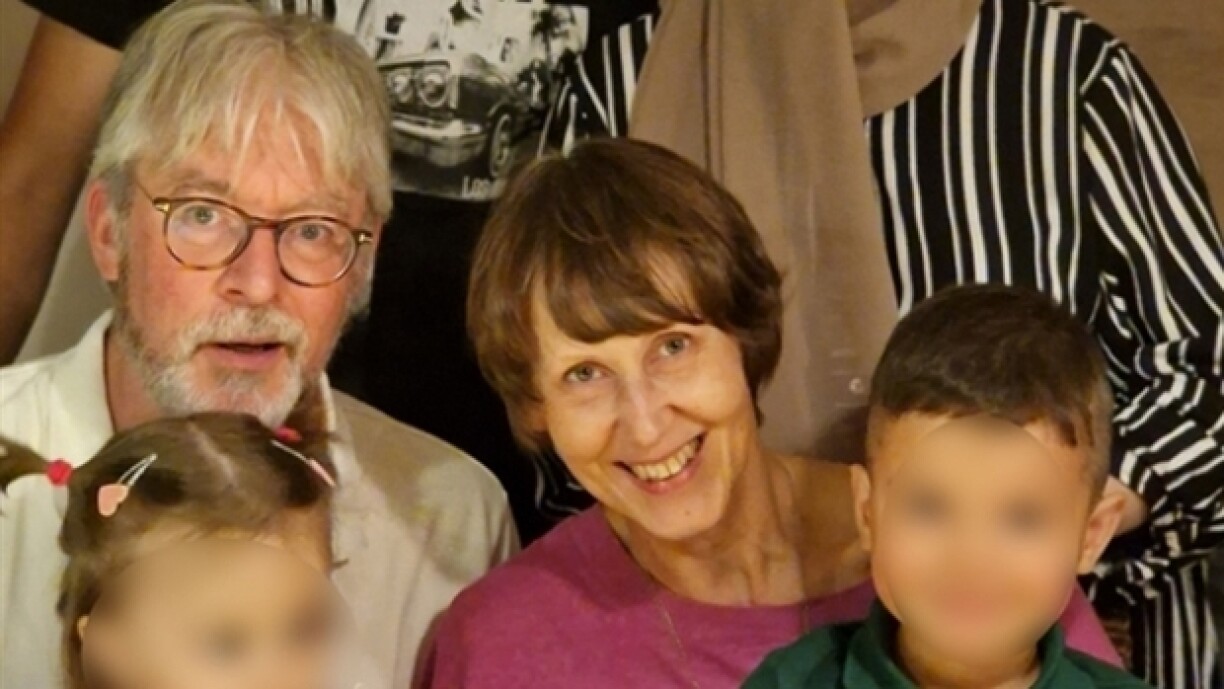
In May, Anne and her husband Jean-François welcomed a family of Ukrainians to Ransart (Charleroi). Two parents and their two children aged 2 and 4 and a half.
"We said to ourselves: we welcome them, they can get settled, they can breathe and regain strength. We signed up for three months, telling ourselves that that is what it will take for all the steps. But we never imagined for a second that there would be no other possibility of housing afterwards, that the State would not take care of anything", says Anne.
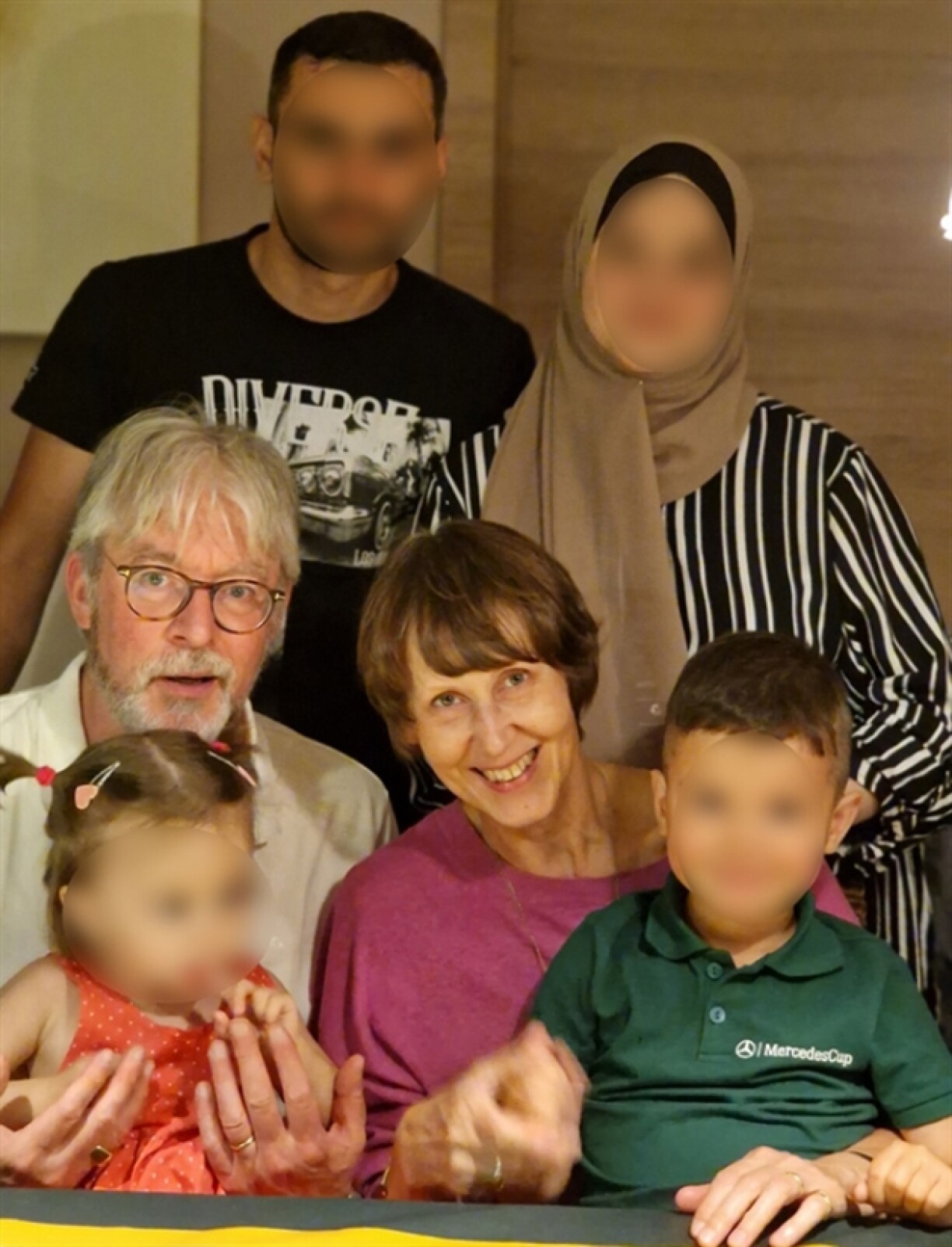
The couple had to manage all the paperwork at administrative level, but also find accommodation for the family after. The Ukrainian family speaks neither French nor English, which complicates communication. Despite requests for help from the competent authorities, Anne and Jean-François feel abandoned.
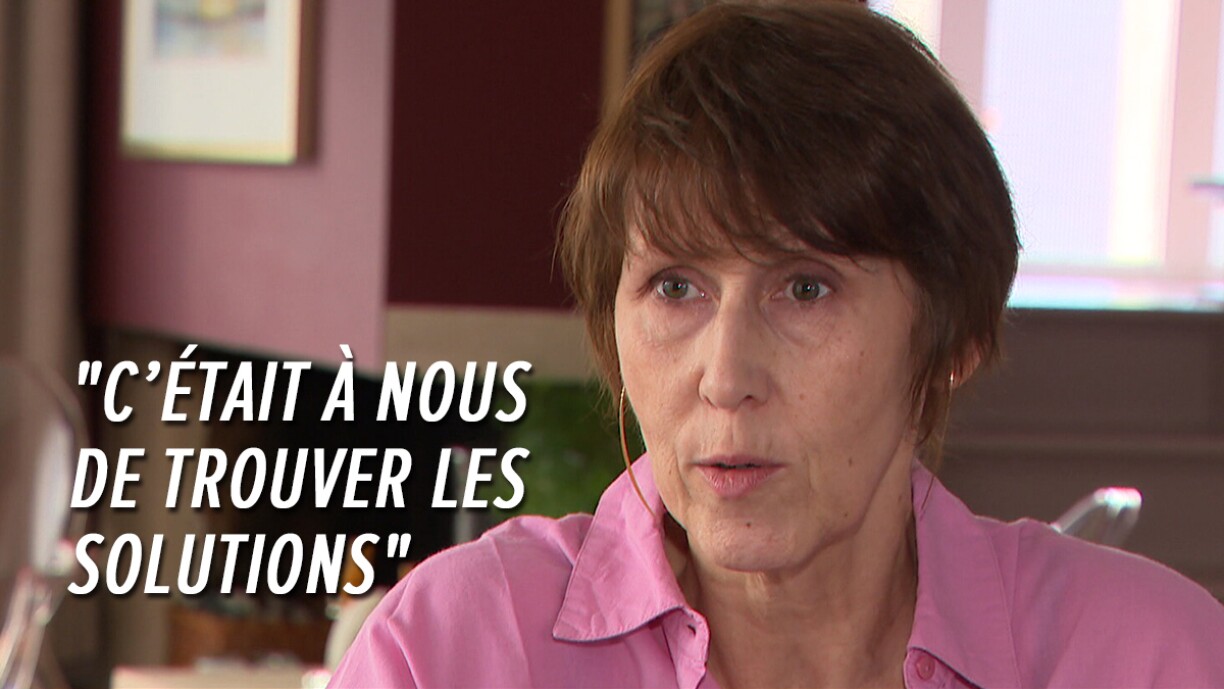
"In general, whether it's the CPAS (Public Centre for Social Action), Fedasil (refugee agency) or other structures, there's just silence. We are left to our own devices. The search for accommodation or the steps to be taken in the context are left up to us," says Jean-François.
"It's up to us to find all the solutions, and that's difficult," adds Anne.
Finally, through research and visits, the couple was able to find an apartment. The Ukrainian family will move in on 1 November, with rent and charges paid by CPAS of Charleroi.
"It is equivalent to what a Belgian family receives in such circumstances. The exact amount of aid is around 1540 euro per month", specifies Eric Dosimont, director of CPAS Charleroi.
The social assistance service financially supports 152 Ukrainian families. Where it gets complicated is to find accommodation because the owners are reluctant. “It is due to the fact of being able to accommodate families that we do not know and who do not speak the same language and who could leave the accommodation relatively quickly”, explains Eric Dosimont.
Of the 152 families monitored by the Charleroi CPAS, three-quarters are still staying with families.





