Experts warn that the global energy supply is at risk, with the situation becoming increasingly critical in countries such as France. However, officials have stated that Luxembourg is currently not experiencing any shortages.
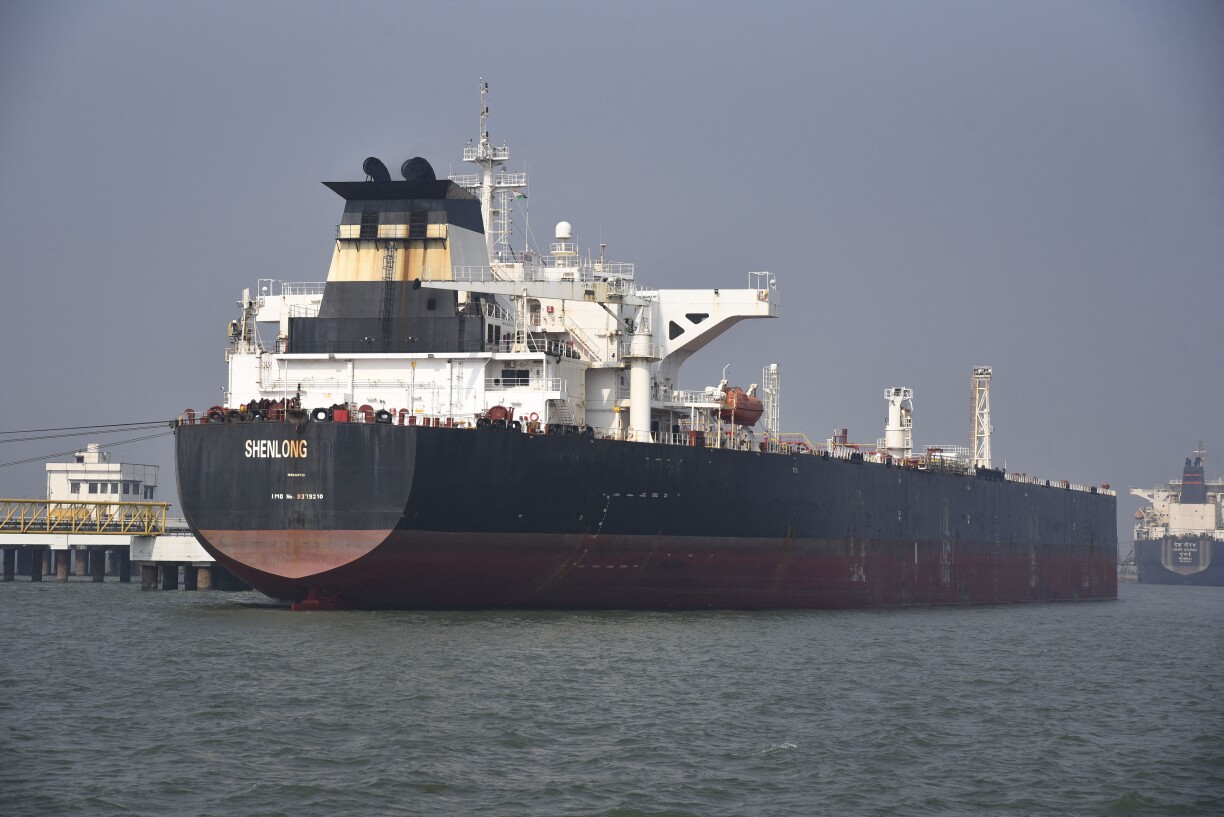
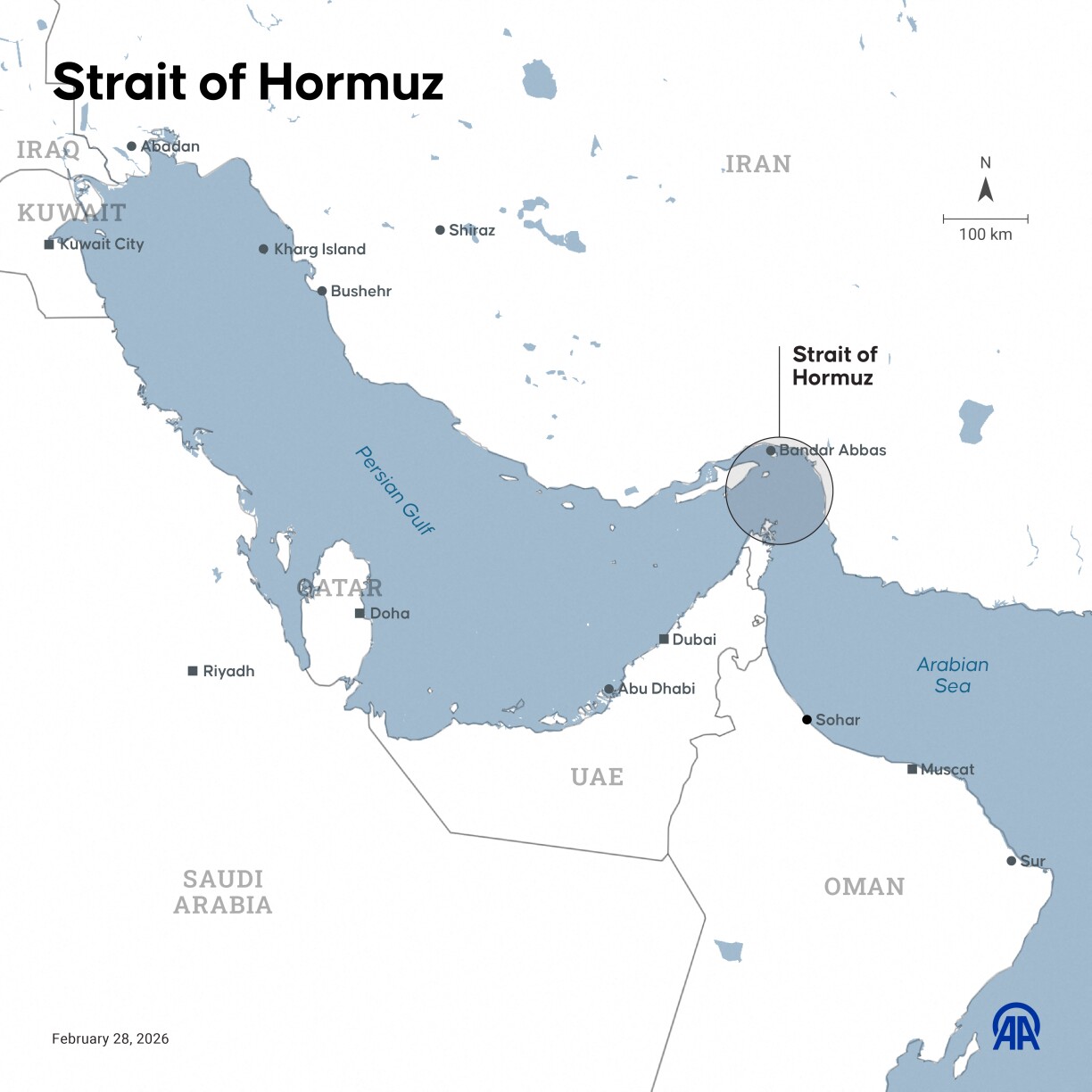
Fatih Birol, head of the International Energy Agency (IEA), has raised the alarm. In an interview with Le Figaro, he described a "triple shock" that will affect oil, gas, and food supplies. Birol cited current geopolitical tensions – particularly conflicts in the Middle East – as the primary cause. The situation remains especially tense around the Strait of Hormuz, one of the world’s most vital routes for petroleum transport.
Birol further warned that the global energy supply "has never been at such risk as it is right now." Stabilising the situation, he noted, would require a return to normalcy in the Gulf region – something that is still likely to take time. Nevertheless, he suggested the crisis could accelerate the development of renewable energy, nuclear power, and electric vehicles.
In France, tensions are mounting. Approximately 18% of petrol stations are currently facing supply issues, and at many locations, at least one grade of fuel – whether petrol or diesel – has run out entirely. Other regions have introduced limits, restricting motorists to a maximum of 30 litres per vehicle. Energy Minister Delegate Maud Bregeon attributed the shortages to logistical and transport problems.
Other countries are also taking action. In Greece, the government has introduced a so-called "Fuel Pass", providing low- and middle-income households with a fuel subsidy of between €30 and €60 for April and May. Authorities in Athens have stated they will continue to monitor the situation closely and implement further measures if needed.
When contacted on Tuesday morning, the Groupement Énergies Mobilité Luxembourg a.s.b.l. reported that it had no information regarding shortages within the Luxembourg network. Two major heating oil suppliers also confirmed that they are experiencing no shortages and are able to supply customers as usual. One supplier even noted that reserves are more than adequately stocked, as high prices have led to lower demand from customers.





