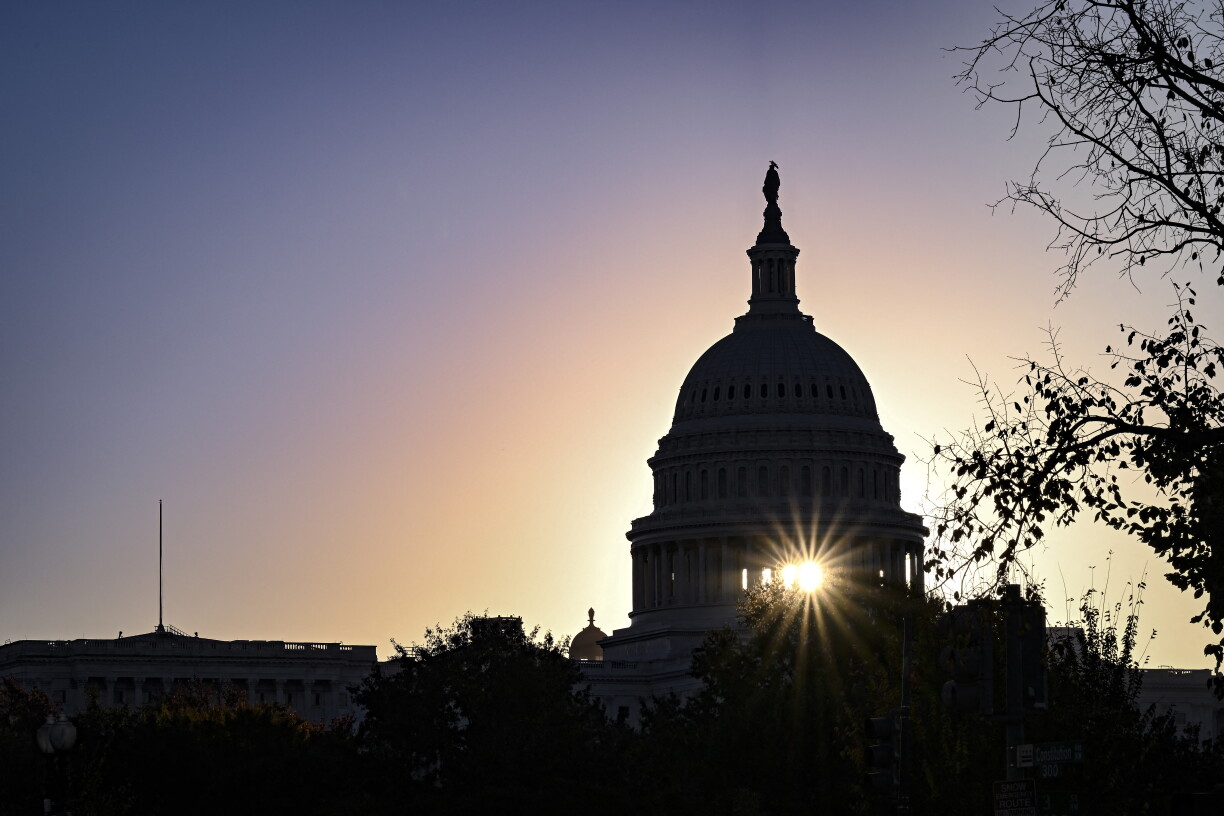
The Democratic Party’s victory in the US congressional midterms has triggered a diverse range of reactions from governments around the world.
Russia, Iran, China, and European countries have each interpreted the results through the lens of their own interests and ongoing international disputes.
Kremlin spokesperson Dmitri Peskov stated that President Trump would remain in office, adding that Russia genuinely hoped he would continue his efforts to broker peace.
Peskov’s comments come as new talks between Ukraine and Russia, mediated by the United States, are set to take place in Abu Dhabi next week.
Moscow appears to be holding out hope that Trump’s presidency will create diplomatic opportunities, despite the recent Republican defeat.
In Iran, parliamentary speaker and chief negotiator Mohammed Bagher Ghalibaf interpreted the US election as a popular rejection of war, expressing support for what he described as a clear anti-war message from American voters.
Supreme Leader Mojtaba Khamenei, however, urged caution, arguing that one should not expect the so-called “system of hegemony” to change simply because of party or factional differences in Washington. Khamenei stressed that making concessions to the United States would not prevent further hostile actions against Iran.
The Chinese government avoided commenting directly on the implications of the US midterm results, characterising them as an internal American matter.
Beijing reiterated its willingness to continue cooperating with the United States and emphasised the importance of maintaining and implementing the agreements reached by the presidents of both countries.
German Foreign Minister Johann Wadephul announced plans to reach out to new members of the US Congress, expressing his hope for closer cooperation and more frequent dialogue.
Meanwhile, Defence Minister Boris Pistorius remarked that despite the Democrats’ historic win, there would be no immediate change in US government policy over the next two years, and he looked forward to continued close collaboration with Washington.
European Commission Vice President Kaja Kallas voiced her hope that the "new US Congress" would maintain support for Ukraine while increasing pressure on Russia.
In Brussels, the EU’s foreign affairs representative noted that elections always have consequences.
Kallas further emphasised that Europe and the United States are "much stronger together" and urged continued transatlantic unity to persuade Moscow to end the war.
In an interview with RTL, Democratic Party (DP) Member of Parliament Gusty Graas cautioned against excessive optimism following the midterm results.
Graas observed that while Trump had suffered a severe political blow domestically, he still wanted to project an image of strength on the international stage and remained the US military’s commander-in-chief.


