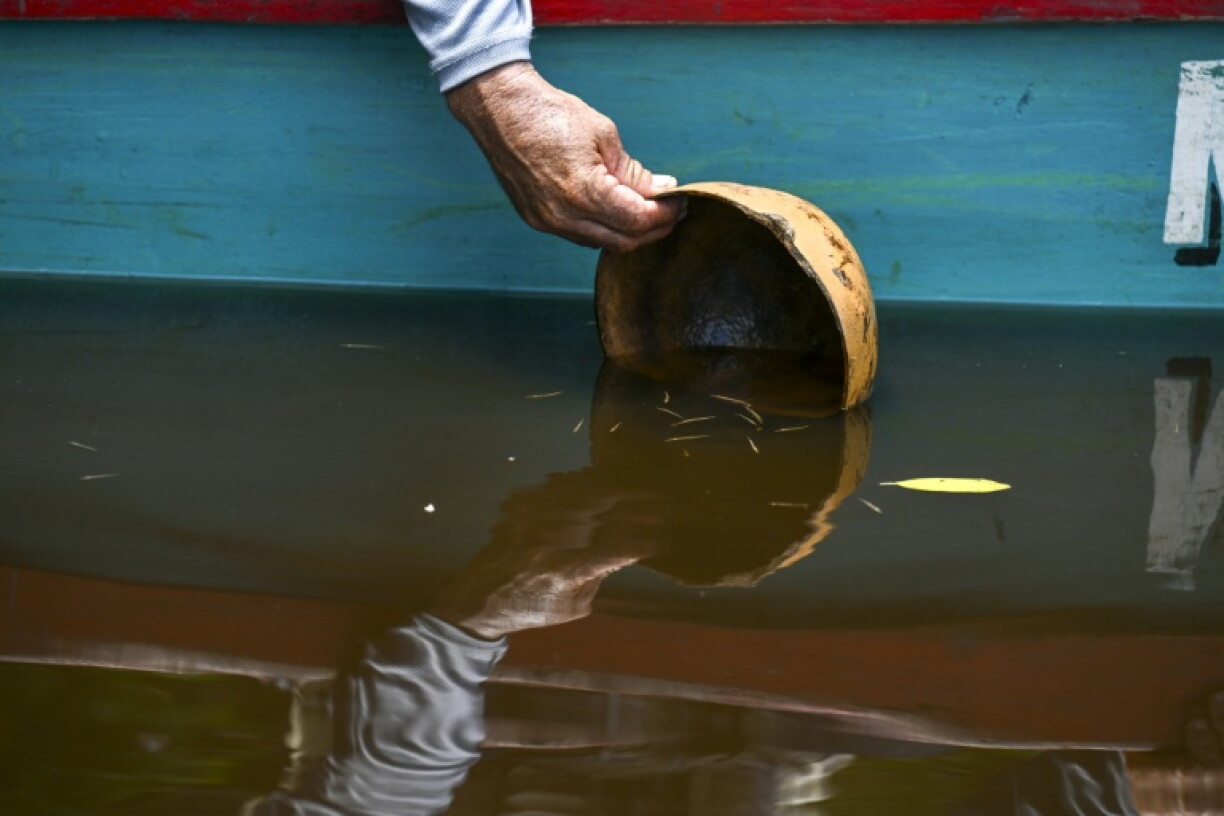
In a freshwater canal surrounded by mangroves in southern Guatemala, hundreds of baby tropical gars -- a torpedo-shaped fish with an alligator-like snout dubbed the "fossil fish" -- are released into the wild.
The fry were raised in tanks by the Marine Conservation Center of Guatemala City's La Aurora Zoo and then taken by boat to their natural habitat.
This is the first time that the species, which is threatened by illegal fishing, pollution and extreme weather events exacerbated by the El Nino weather pattern, has been raised in captivity.
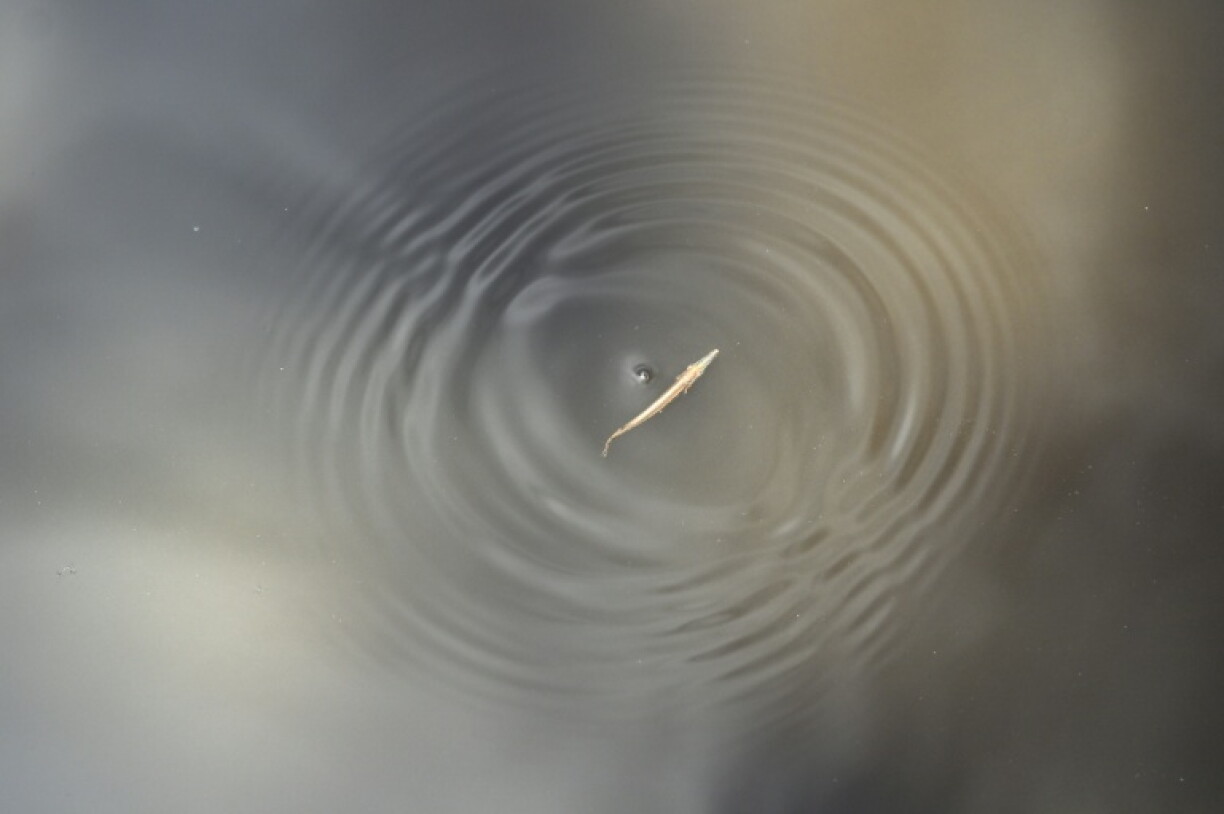
The tropical gar (Atractosteus tropicus) is considered prehistoric by scientists because it has survived without morphological changes for 100 million years.
It is a smaller relative of the alligator gar, one of the largest freshwater fish in North America.
Adults can reach 1.2 meters (four feet) in length and weigh about 10 kilograms (22 pounds).
It plays "a very important role" in Guatemala's freshwater ecosystem, Jennifer Hernandez, deputy head of conservation at La Aurora Zoo, explained to AFP.
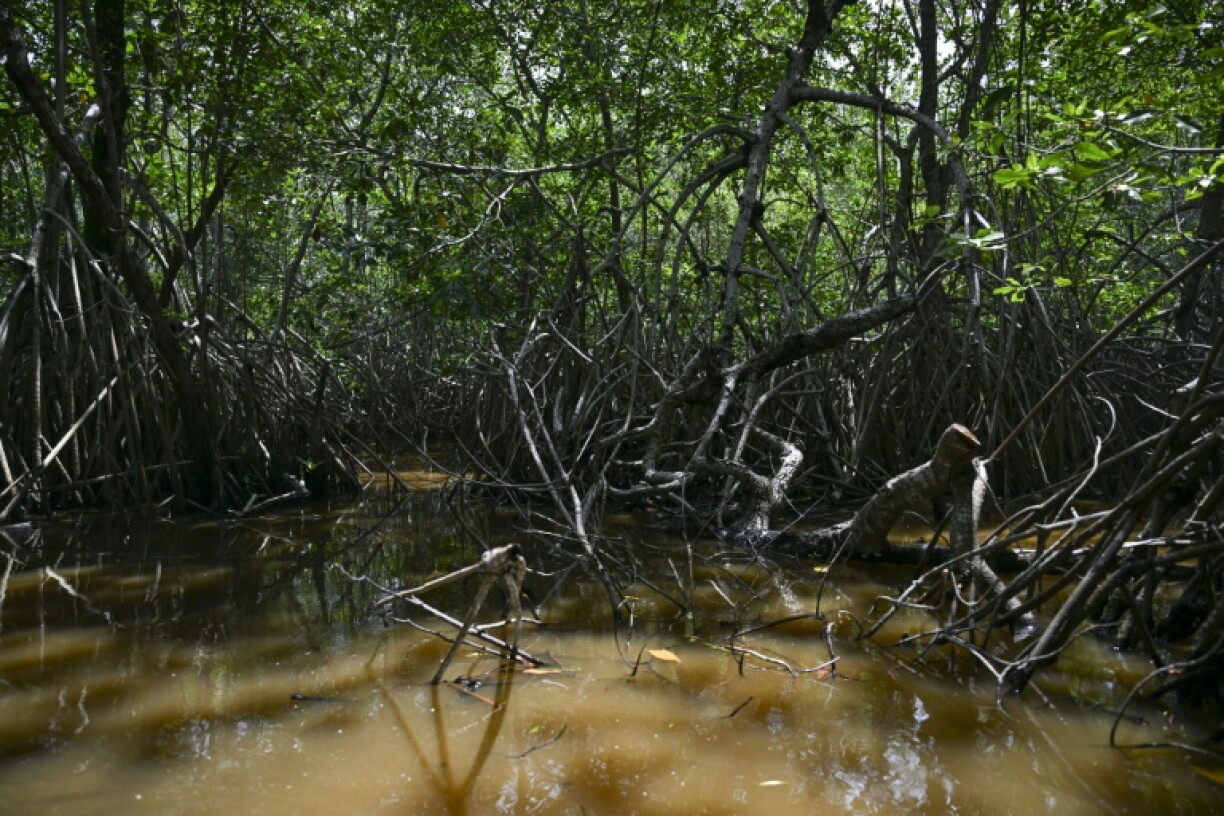
Being a carnivorous fish it helps maintain "balance" in rivers, she explained.
The fish is designated as "vulnerable" in Guatemala.
"It is a species that, in years to come, could reach a much more critical state,” Gaitan warned.
hma/axm/dga/msp





