Germany's economy grew less than initially estimated in the third quarter, official data showed Wednesday, as it struggled with high energy costs and summer heatwaves.
The news will temper hopes that Europe's biggest economy is on course for a rebound and heap fresh pressure on Chancellor Friedrich Merz, who has vowed to revive the struggling industrial powerhouse.
Weakening exports, consumer spending and investments weighed on growth in the July-September period, with gross domestic product rising just 0.1 percent from the previous quarter, the data showed.
This was down from an earlier reading of 0.2 percent, statistics agency Destatis said.
The figures show "the economy nearly came to a standstill over the summer" and suggest "the recovery is losing steam", said ING economist Carsten Brzeski.
"Higher energy prices and the economic fallout from the heatwave seem to have had a larger impact than German statisticians had previously estimated," he said.
The economy performed surprisingly well in the first half of the year despite higher energy costs triggered by the Iran war, helped by booming exports as some business from harder-hit parts of Asia was redirected to Europe.
But that momentum slowed over the summer, with exports slumping one percent from the second quarter, according to Destatis. Shipments of cars, chemicals and metals all fell.
Household and government spending both rose but at a more modest pace than earlier in the year, it added.
Investment dropped 1.2 percent in the third quarter, with the slump especially pronounced in the area of machinery manufacturing, according to the data.
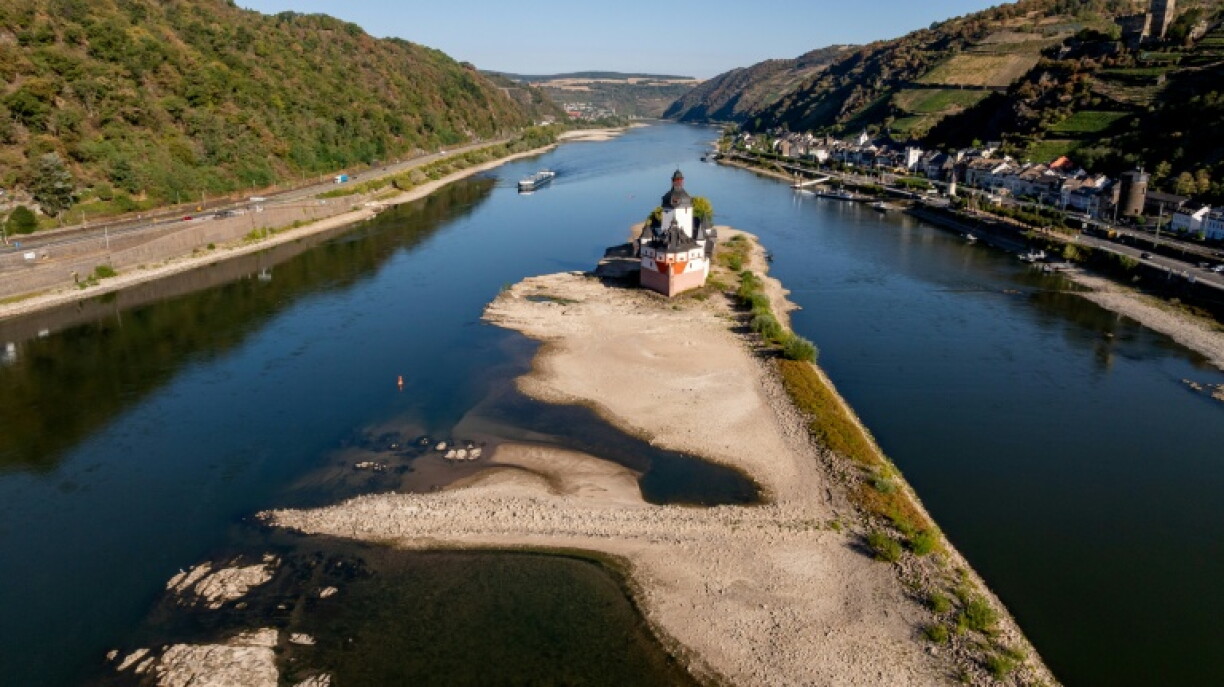
The economy also suffered from a succession of summer heatwaves, with record-low water levels on major rivers hampering transport of industrial goods in sectors such as chemicals and steel-making.
Despite the disappointing figures, Germany's economy is still expected to grow over the whole year at its fastest pace since 2022, with the government forecasting expansion of 1.3 percent.
It had stagnated in recent years due to weakening exports, the emergence of China as a rival in many traditional industries and US tariffs.
Nevertheless there have been concerns that much of this growth is built on debt, as the government borrows huge sums to splurge on rearmament and overhaul creaking infrastructure.
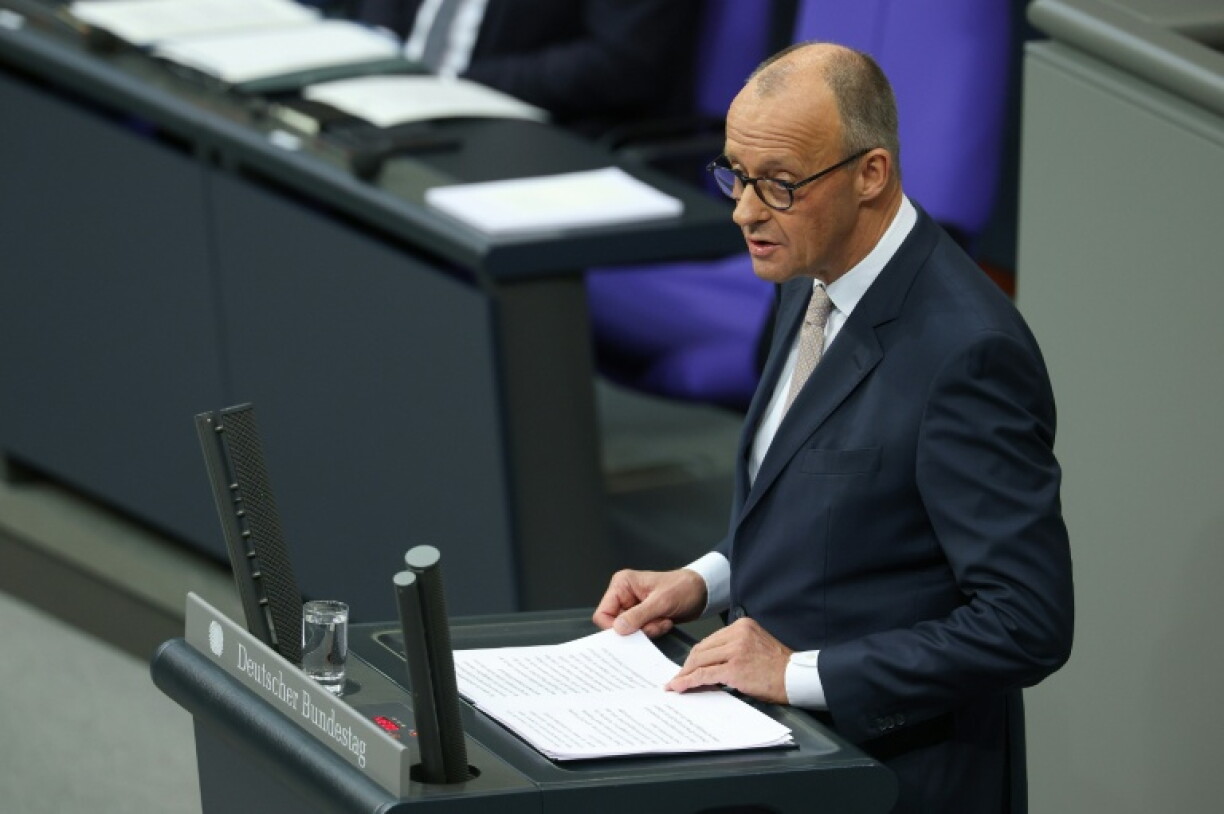
In an address to parliament Wednesday, Merz defended projected new borrowing of over 210 billion euros ($230 billion) in the 2027 budget, the second-highest amount since World War II.
Germany had failed for too long to spend "on one of the core tasks of the state, namely ensuring external security. Instead, we relied on others," Merz said.
Additional borrowing is needed to fund the military build-up, he said, adding that "Germany is more capable of defending itself now than it has been at any time in recent decades".
He also hit back at criticism that Germany was spending too much on supporting Ukraine in its fight against Russia.
"Our values alone demand that we support those who have been attacked," Merz said. This is "not just about Ukraine, it is also about our freedom."
sr/jsk/js