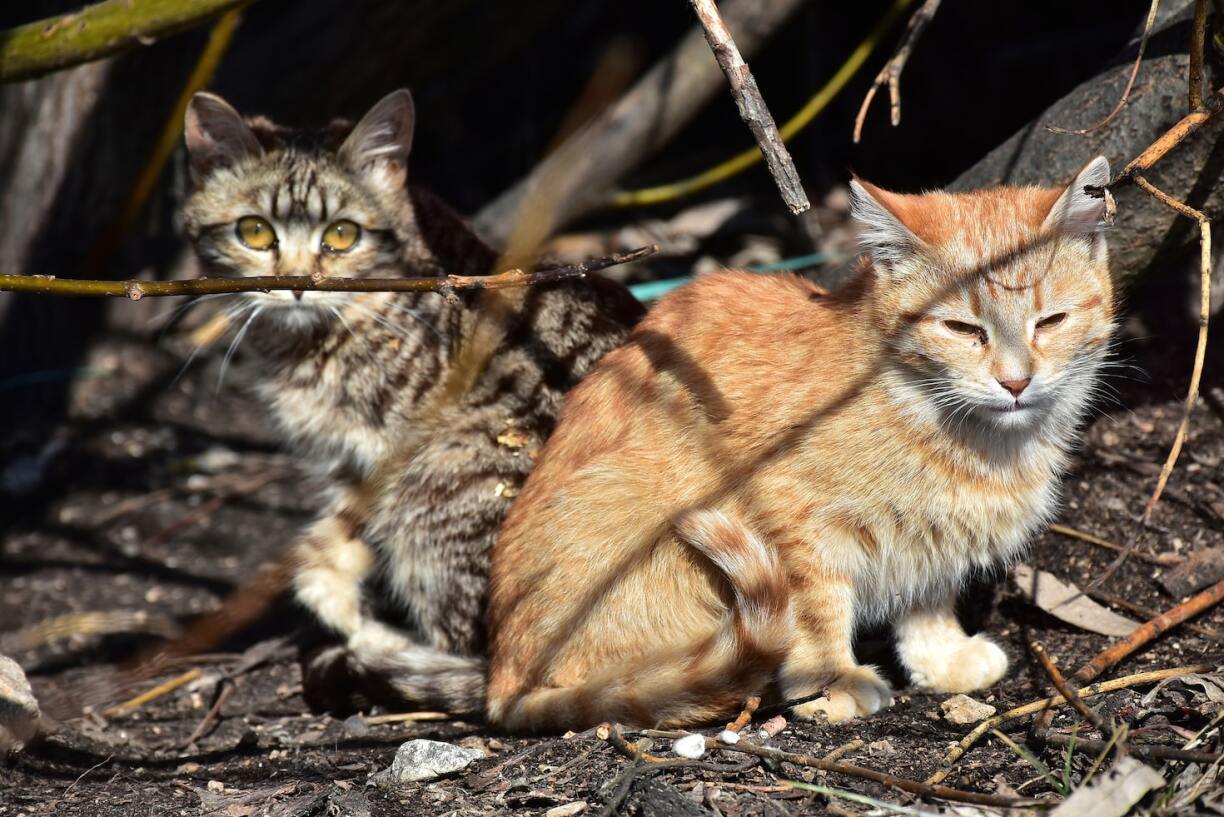
The children were advised not to harm any pets, as organisers warned that anyone who kills a microchipped cat (meaning one that belongs to someone) would be disqualified. However, the child with the most kills between mid-April and the end of June would have been eligible to win the equivalent of 142€.
On Tuesday 18 April, organisers announced the cancellation of the cat-killing event, saying they had received "vile and inappropriate emails."
"We are disappointed and apologise for those who were excited to be involved in something that is about protecting our native birds, and other vulnerable species," the group wrote on Facebook
The same day, New Zealand's Society for the Prevention of Cruelty to Animals said it was relieved the "children's category which involved shooting feral cats" would not go ahead. The category had initially been created as part of a June fundraiser hunt for a local school in North Canterbury.
The hunting competition takes place in North Canterbury, a largely rural area in New Zealand, and regularly draws hundreds of participants. According to the Guardian last year, more than 250 children killed 427 animals, mostly possums, hares and rabbits.
This hunting category controversy highlights the debate over how best to handle pest control in New Zealand.
It is well-known that feral cats wreak havoc in New Zealand’s biodiversity. A pest controller told the news outlet 'Stuff' last year that feral cats were at "plague" levels in Canterbury.
New Zealand does have a federal plan to eliminate its most pressing predators but it does not currently include cats.
A spokesperson of the animal rights group SAFE tweeted about cat management strategies that actually work and don’t include killing “for fun”.
He added that there are other ways to raise money for the school, "and sending children off to kill cats shouldn't be one of them."





