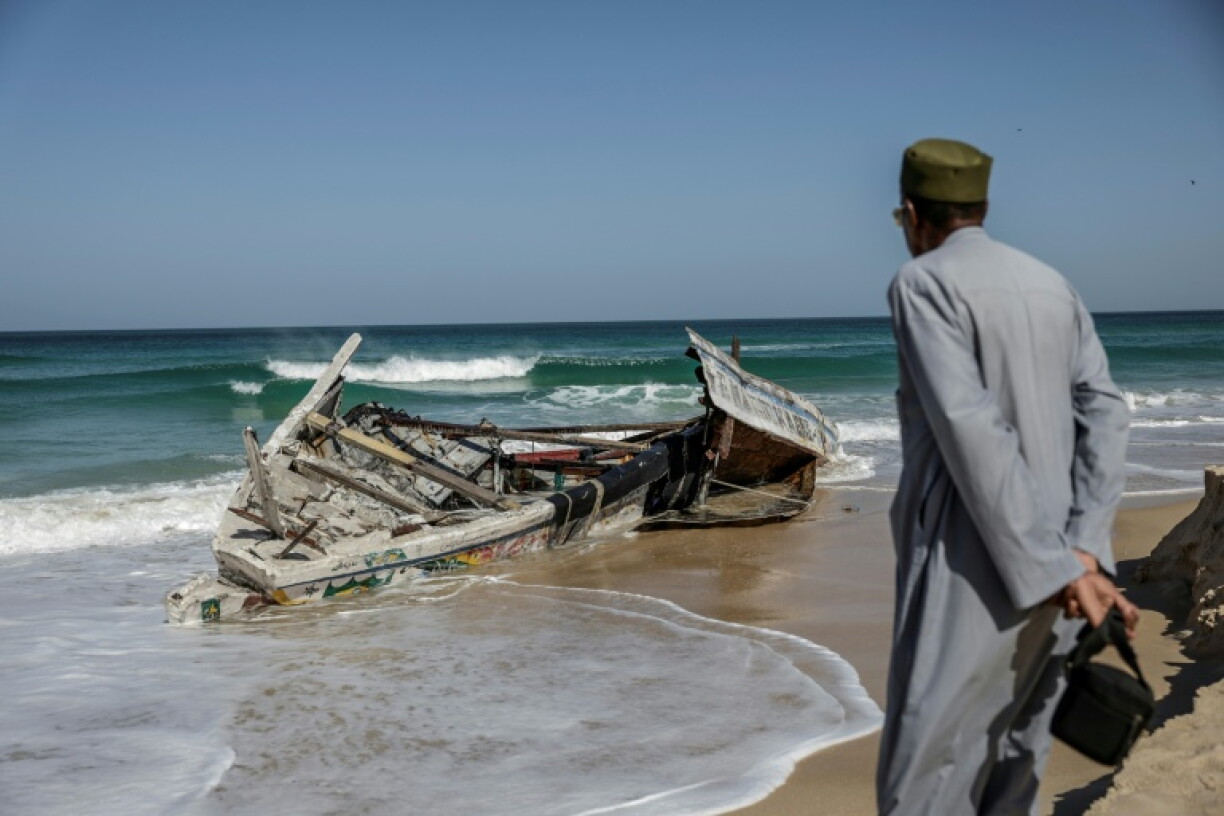
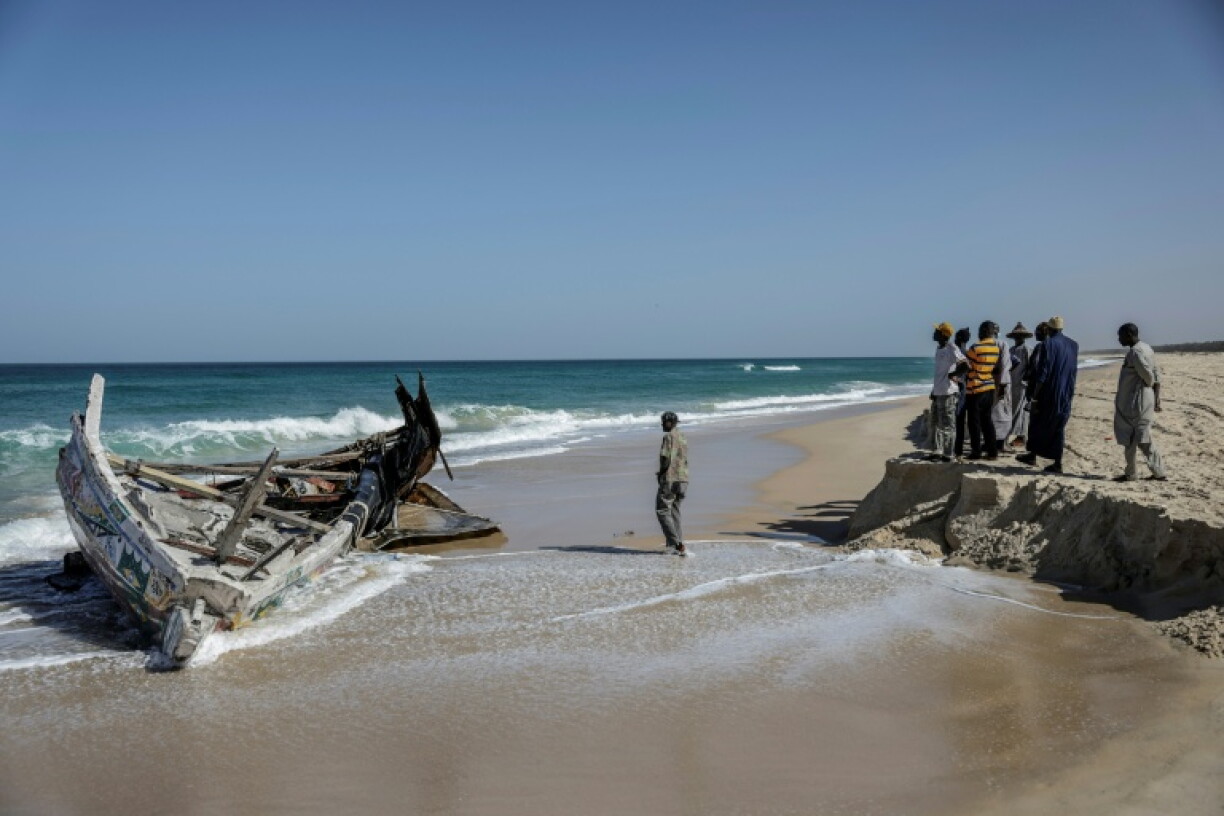
On the vast beach near the town of Thieppe in northwest Senegal, Ibrahima Diaw expressed disbelief while gazing at the shattered remains of a pirogue, a rickety boat his son boarded hoping to reach Europe but that instead led to his death.
"The sea is a mystery to me", the old man whispered.
Rescuers have recovered 39 bodies since the boat capsized Friday, a preliminary death toll that is already among the country's highest in recent years.
The latest tragedy involving illegal migration has once again plunged the west African nation into grief, a frequent sentiment given the regular attempts by young people to reach the Spanish Canary Islands via the perilous Atlantic route.
"If my son had told me, I would have stopped him from taking the pirogue", said Diaw, a 75-year-old tailor dressed in a green tunic, as he stood facing the ocean.
Like many relatives of those who take to the sea, he was unaware that his 25-year-old son planned to leave.
He learned of his death only when the young man's body washed up on the shore.
In Senegal, where a large percentage of youth struggle to find meaningful employment, reaching Europe is seen as a jackpot.
The vision is fuelled by the tales of those who have successfully completed the dangerous journey, referred to locally as "the adventure".
With visas unavailable for legal migration, the migrants see the sea as the only route.
In recent years thousands of west Africans have died or gone missing while attempting to flee conflicts, authoritarian rule or poverty.
Baye, a pseudonym used to protect his identity, was aboard the pirogue and managed to swim to shore.
With children expected to provide for their elders in Senegal, he said he felt compelled to brave the sea to earn a living and help his parents.
The 28-year-old holds a degree in Arabic and said he paid 400,000 CFA francs ($685) to take the journey, a small fortune in the country.
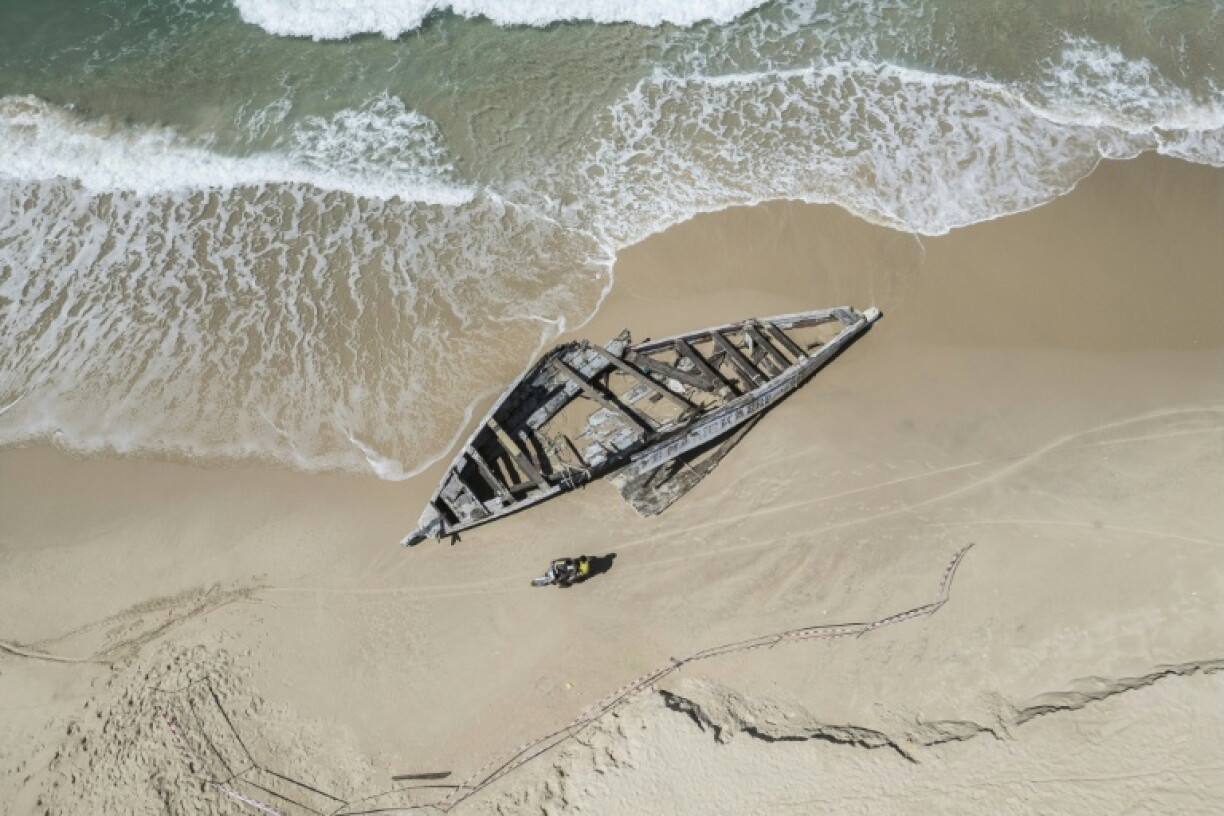
The passengers spent two days off the coast in the overcrowded boat waiting for smugglers to deliver an engine and fuel needed for the journey. Eventually, however, the vessel was spotted by the Senegalese Navy.
According to Baye, the boat turned back toward the beach and struck a sandbank. Thinking they had reached land, passengers jumped into the water only to drown.
He estimated that at least 150 people were on board. Establishing a definitive death toll or even a final count of the missing will be difficult.
He too had not told his parents about his plans: "If I had let them know, they certainly would not have let me go", he said.
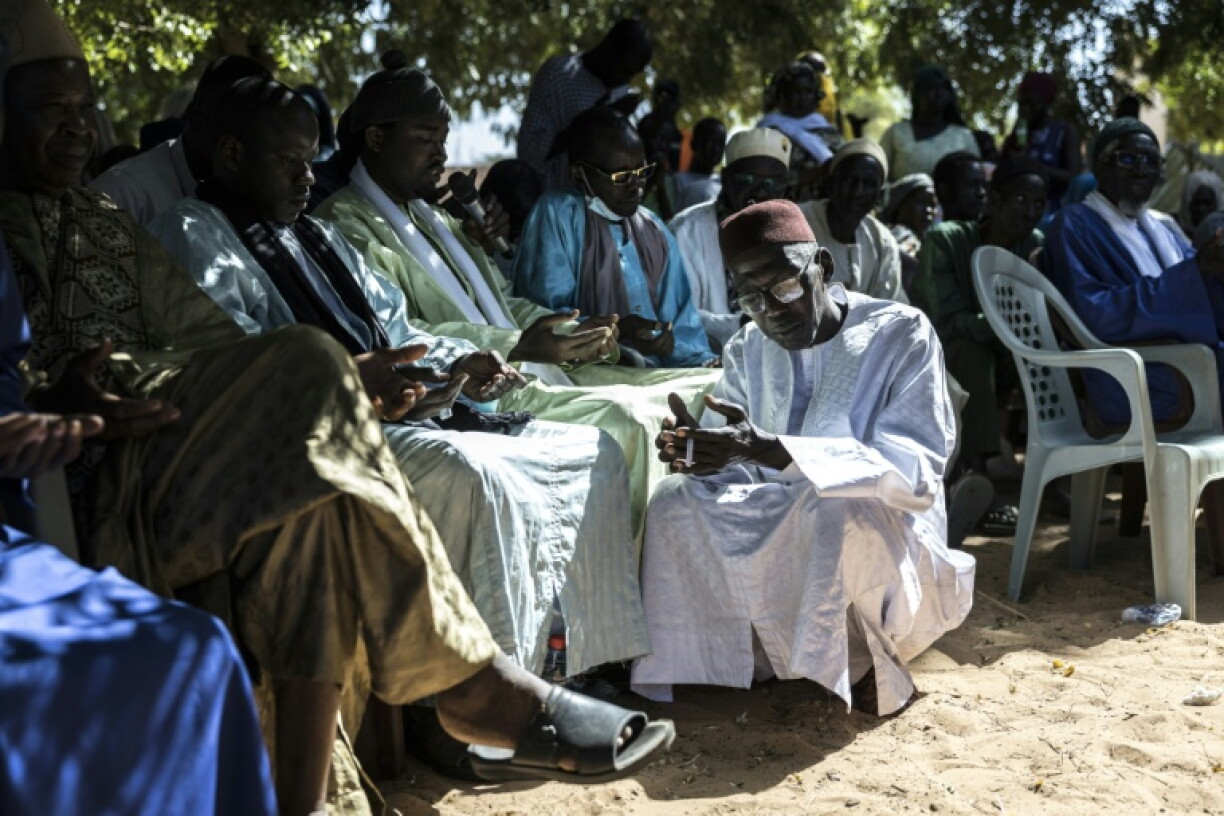
Located near northwest Senegal's vast deserted beaches, the village of Potou lost many in the shipwreck, and on Monday six bodies were laid to rest there.
Sheltering from the sweltering heat beneath a neem tree, hundreds of people gathered to pay their final respects to 18-year-old Bass and 20-year-old Moussa, two brothers who perished in the tragedy.
Senegal's interior minister visited in person to offer his condolences to the victims' families, vowing to hunt down the smugglers whom he branded as "modern-day slave traders".
He also advocated for temporary migration programs tailored to Europe's labour needs.
Throughout the gathering, multiple speakers denounced irregular migration and the tragedies that follow in its wake.
Djiby Sogue, the father of the two brothers, told AFP that he expects little from the authorities: "We do our best to keep the young people here, but the authorities must also help provide them with the means to make a living so they can stay", he said.
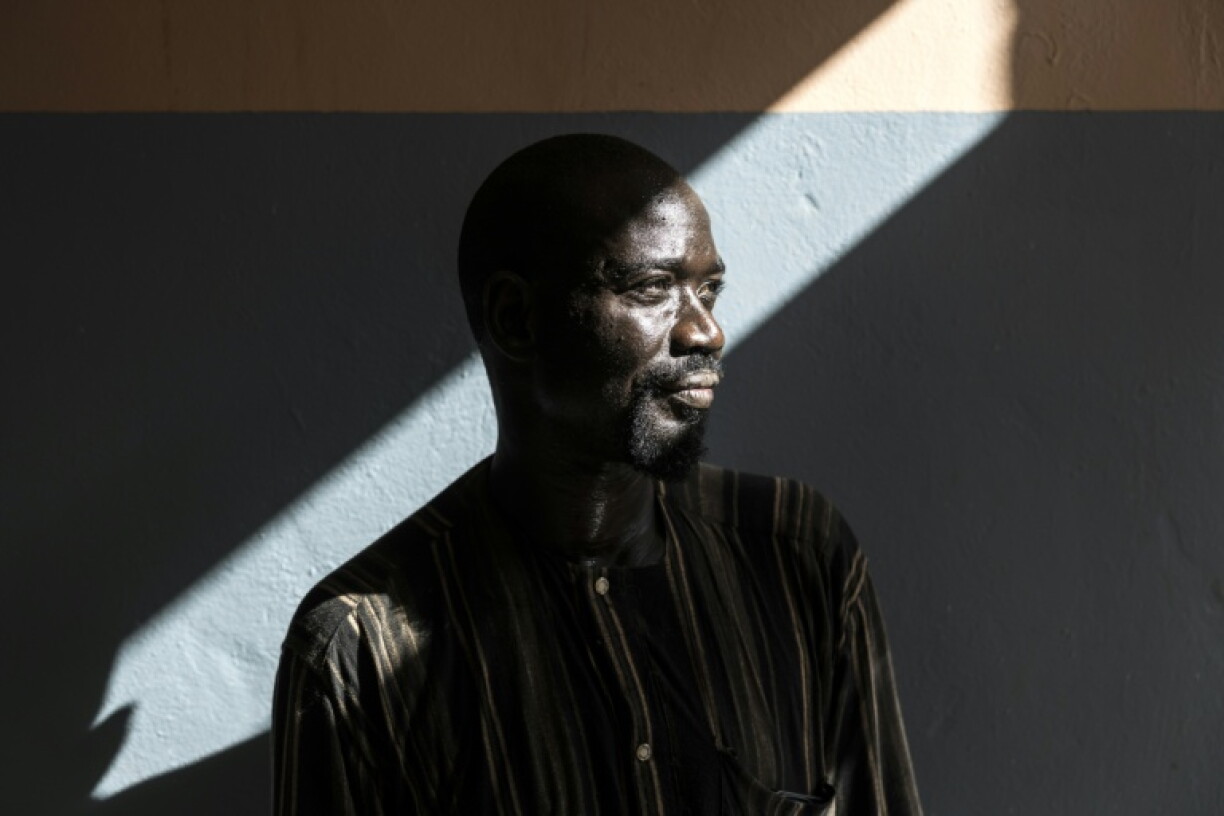
Due to a disability, Sogue relied on his sons to "work to put food on our table".
In Senegal, fish stocks are dwindling and farming has become increasingly unprofitable.
"If we continue living in the same situation we are in now, I fear that the two sons I have left might also take that path", Sogue said from the courtyard of his house, sitting next to them.
He said he dreams of sending them to Europe, and believes legal channels are "the only way to keep children from taking to the sea".
The European Union, however, has tightened migration policy while European countries are drastically restricting issuing visas and exercising ever-stricter controls at their borders.
els/bfm/rh


