Passengers facing flight delays of more than three hours will continue to receive compensation of €250 to €600, after European Union institutions rejected airlines' long-standing calls to relax the rules. The issue, debated in Brussels for years, has now been settled – with passenger protections set to remain unchanged or even be strengthened.
On Monday evening, negotiators from the European Parliament initialled an agreement already reached by member states on 12 June. The text will be submitted for a formal vote by MEPs in July before it can enter into force.
"I am proud to see that after 13 years of negotiations, we have reached a historic agreement to strengthen air passenger rights in the EU", said Alexis Vafeades, Cyprus's Transport Minister, whose country currently holds the EU presidency.
The compensation framework – ranging from €250 to €600 depending on distance – originates from a 2004 European regulation known as "EU261" and was extended by a 2009 ruling from the EU Court of Justice in the so-called "Sturgeon Case." That ruling equated long flight delays with cancellations, a position airlines have long contested.
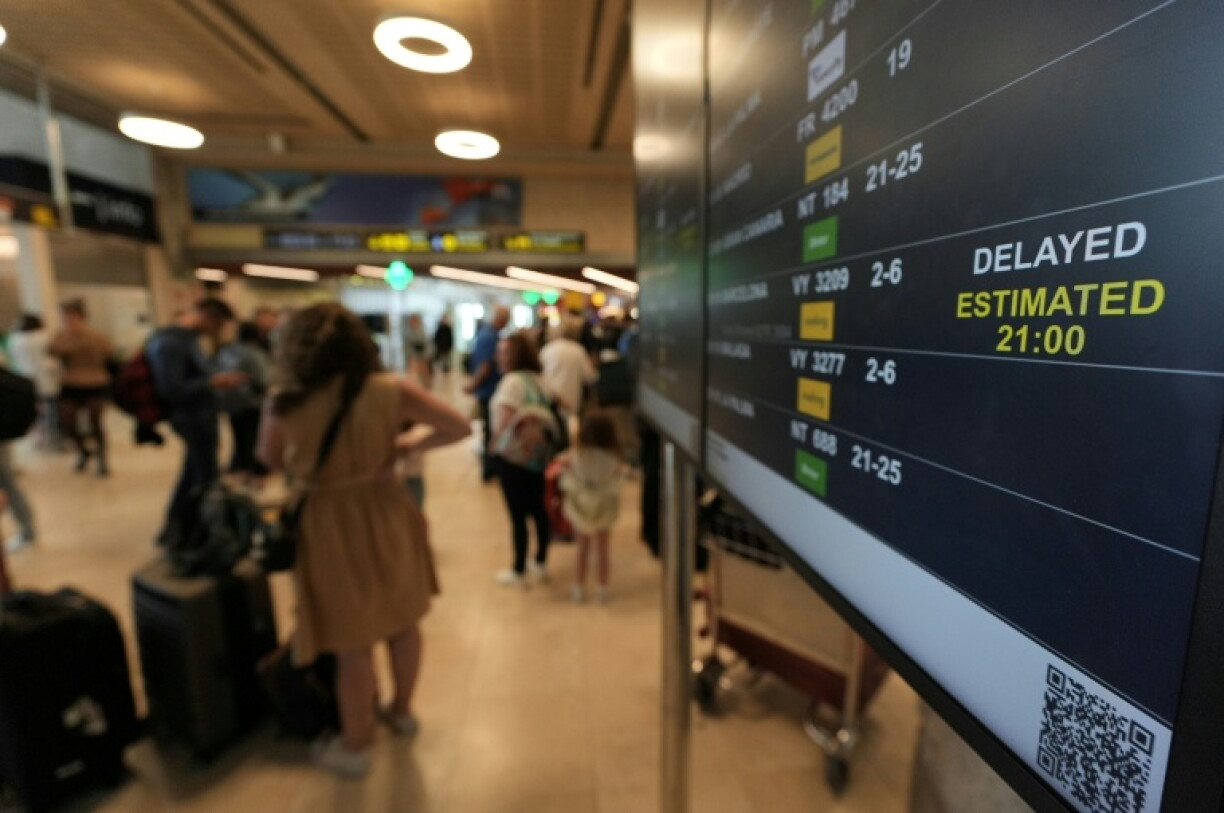
Some member states had shown sympathy for the industry's arguments. Airlines have argued that the current rules ultimately hurt passengers, as carriers may prefer to cancel subsequent flights using the same aircraft to avoid a cascade of compensation claims when a delay occurs.
"Passengers will be the biggest losers", the industry group Airlines for Europe had predicted.
In the end, however, the European Parliament prevailed over national executives in the negotiating process.
Compensation payouts cost airlines an estimated €8 billion annually, a figure that featured prominently at the International Air Transport Association's (IATA) annual general meeting in Rio de Janeiro in early June. IATA, which represents more than 370 airlines worldwide, has made the issue a recurring theme.
At the meeting, IATA's director general, Irishman Willie Walsh, launched a sharp attack on EU lawmakers, accusing them of holding the debate "hostage by populist posturing in the European Parliament." Following Monday evening's agreement, IATA described the outcome as a "missed opportunity, with little to improve conditions for passengers and nothing to boost European competitiveness."
Walsh also promised member airlines that he would increase lobbying efforts in Brussels, noting that EU regulations often serve as a blueprint for other regions around the world.
The agreement reached on 12 June also addresses several other sensitive issues affecting air passengers globally.
Under the new rules, the EU will prohibit airlines from forcing parents travelling with minor children to pay extra for guaranteed adjacent seating. "I am particularly proud of the fact that never again will anyone ask parents to pay to sit with their child aged zero to 14," said Bulgarian MEP Andrey Novakov (EPP, centre-right) during a press conference in Brussels on Monday evening. He added, jokingly: "After 14, I think children will pay not to sit next to their parents."
The EU will also ban fees for correcting typographical errors on passenger names at the time of booking, and will require all airlines to display prices that include at least one piece of hand luggage in the cabin.
Certain passenger groups will receive stronger protections in the event of late check-in arrivals, including unaccompanied minors, pregnant individuals, and people with reduced mobility.
The European Consumer Organisation (BEUC) welcomed the agreement. "We have avoided the worst [...] The European Parliament deserves particular praise for remaining firm in its defence of passenger rights, when many countries wanted to water them down", said BEUC Director General Agustin Reyna.





