1. There are no seats in Canada
Canadian constituencies are not called seats - they are ridings. There are 338 of them in Canada's House of Commons.
2. The Liberals actually lost their majority...
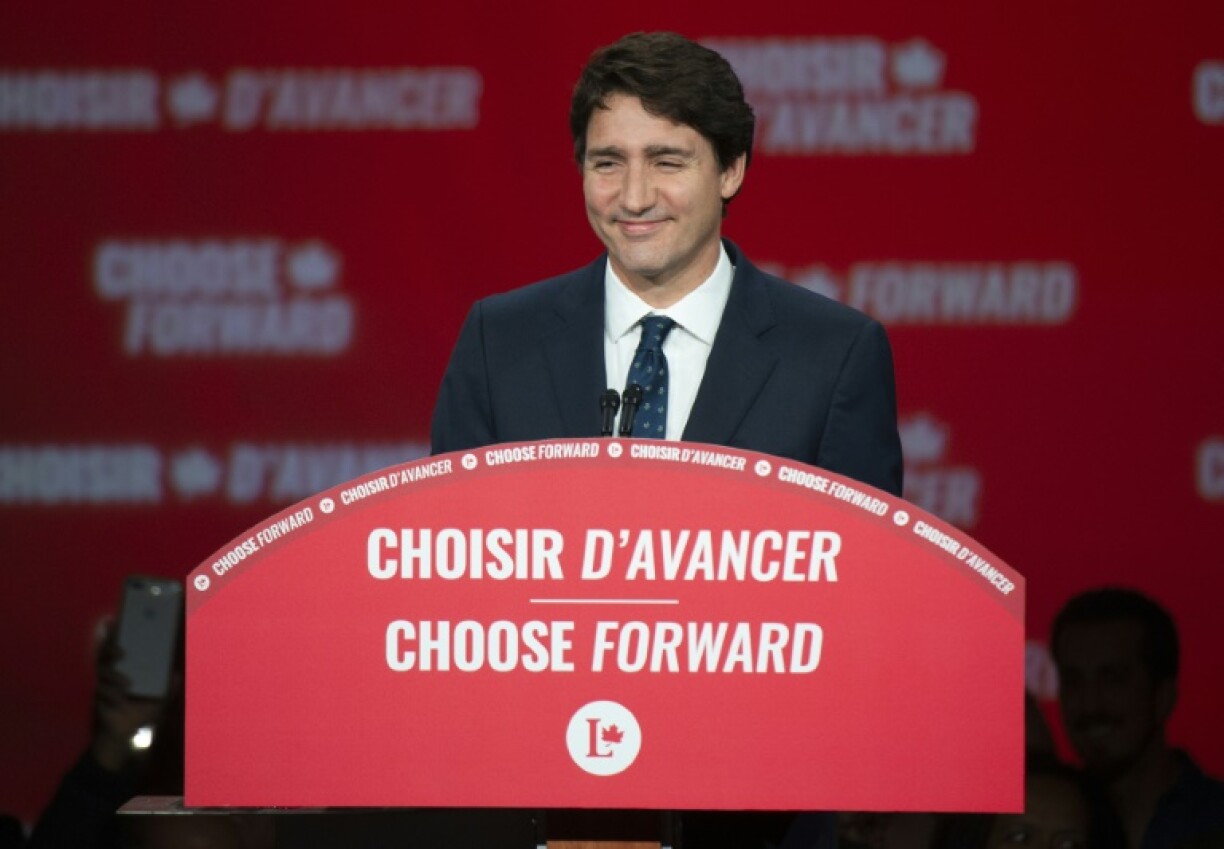
To win a majority in Canada's parliamentary system, a party needs 170 MPs. Trudeau's Liberal Party won 184 in the 2015 election, but they are projected to fall short this time around, with 158 MPs. The Liberals will either lead a minority government, or seek a coalition with the left-wing NDP or Greens.
3. ... and they technically lost the election too
Andrew Scheer, leader of the Conservative Party, can consider himself pretty hard done by. His party won a plurality of the national vote, with 34.4% to the Liberals' 33%, but this only translated into around 121 MPs. Conservative majorities in the western states of Alberta and Saskatchewan showed the region's frustration with Trudeau's Liberals, but elsewhere, voters backed the controversial Prime Minister.
4. Women were elected in record numbers
With 99% of election precincts reporting, 97 women were projected to have been elected to the House of Commons. This marks a new record, after 88 were elected in 2015.
5. Voters rejected the far right
Maxime Bernier, founder of the new People's Party of Canada (PPC), lost his seat as the far-right PPC took only 1.6% of the vote and failed to elect any MPs. In his riding of Beauce, he faced a challenge from an unlikely source: Maxime Bernier, a candidate from the satirical Rhinoceros Party. The PPC's Bernier, a climate change denier, received 28% of the vote in Beauce, far behind the Conservative candidate on 39%.
You can read more about the Canadian election here.





