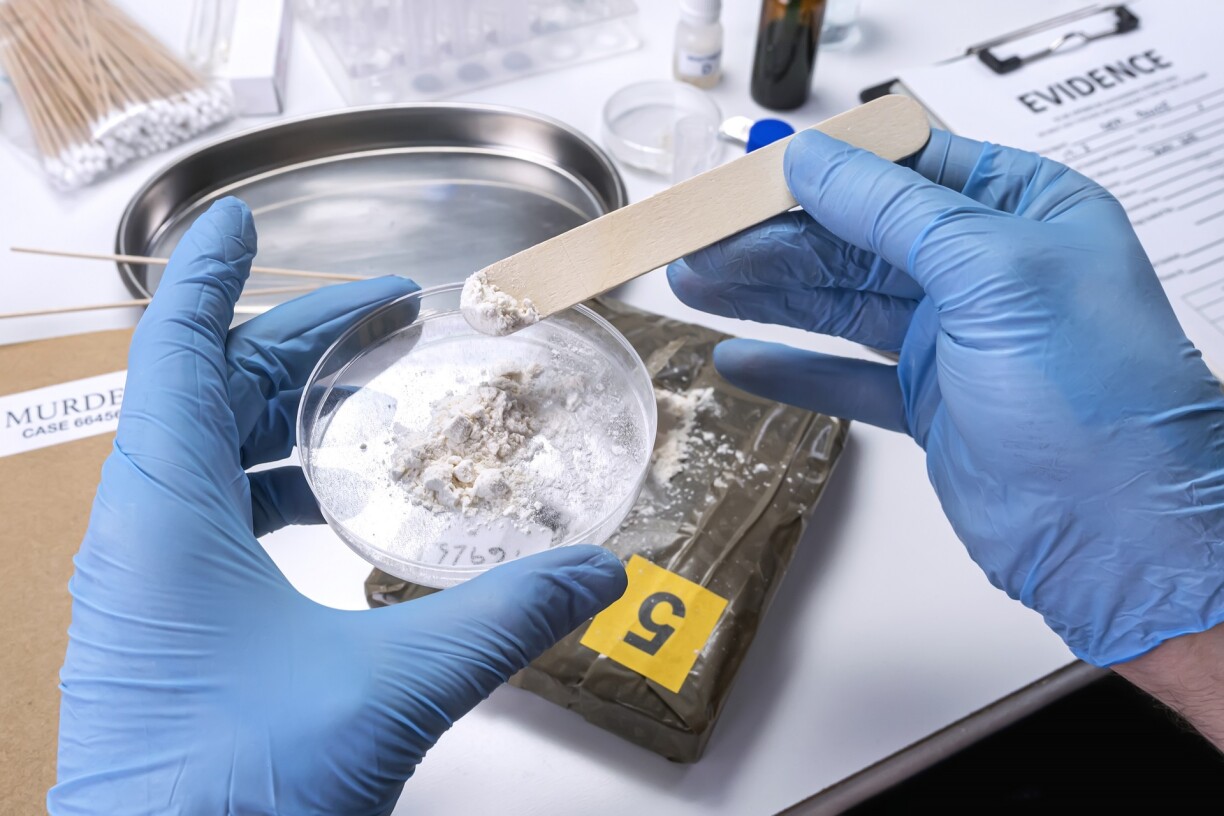
Drug use, particularly cocaine, has become widespread across Belgium, including in rural areas close to the Luxembourg border. An investigation broadcast by Belgian public broadcaster RTBF shows how the trade has expanded far beyond major cities and become increasingly accessible.
According to the report, cocaine is now circulating in large quantities, even in small and sparsely populated communities. Dealers have organised themselves in such a way that they are able to deliver quickly, including to customers living far from urban centres.
In the north of Belgium's Luxembourg province, one interviewee described how easy it has become to obtain drugs without living in a city. He explained that buyers simply contact a dealer via Snapchat, Telegram, or WhatsApp, send a message with their address and receive an estimated arrival time. Because the network is so widespread, he claimed, delivery rarely takes longer than half an hour.
In Aubange, close to both the Luxembourg and French borders, local police confirmed the trend. Officers said that drug consumers are found everywhere, and where there are buyers, there are inevitably sellers. The report shows how everyday locations, such as car parks, street corners, and even playgrounds, are used to carry out illegal transactions.
The customer base is diverse, ranging from partygoers to regular workers. According to local police, investigators have reportedly observed that many clients are employed in Luxembourg but cross the border to purchase drugs.
As for those who fail to pay, while police say territorial disputes are relatively rare in the area, some dealers are quick to resort to violence against indebted clients or rival dealers. In extreme cases, this can escalate to acts of torture, according to the police.
Law enforcement officials interviewed in the report said that, in their view, the "war" against drug trafficking has effectively been lost, but stressed that the fight must nonetheless continue against networks that re-form as quickly as they are dismantled.





