It has been decided that from 2020 onward, France is going to implement an eco-tax of €1.50 to €18 on all tickets for flights departing from France (with the exception of those heading to Cosica, French overseas territories or connecting flights). This measure was announced on Tuesday by the Minister for Transport, Elisabeth Borne, and will apply to all airlines.
The amount of eco-tax you pay depends on the type of flight and whether you fly economy or business class. For domestic and intra-European flights, the eco-tax will cost €1.50 for economy and €9 for business class. For flights outside of the EU, the tax will amount to €3 for economy and to €18 for business class.
From 2020, this tax should bring in €182 million which will be invested in more sustainable transport infrastructure, such as the railways, said the minister.
In France, the kerosene used in aviation benefits from helping hand: it is the only fossil fuel which exempt from tax.
This favourable treatment isn't new: the taxation of fuels for international flights was banned by the Chicago Convention on International Civil Aviation signed in 1944. Initially, the aim of this regulation was to encourage international travel. But some countries, like France, were keen to apply this exemption to domestic flights. Good luck to those who wanted to make this old rule disappear...you would need a unanimous vote by 191 countries.
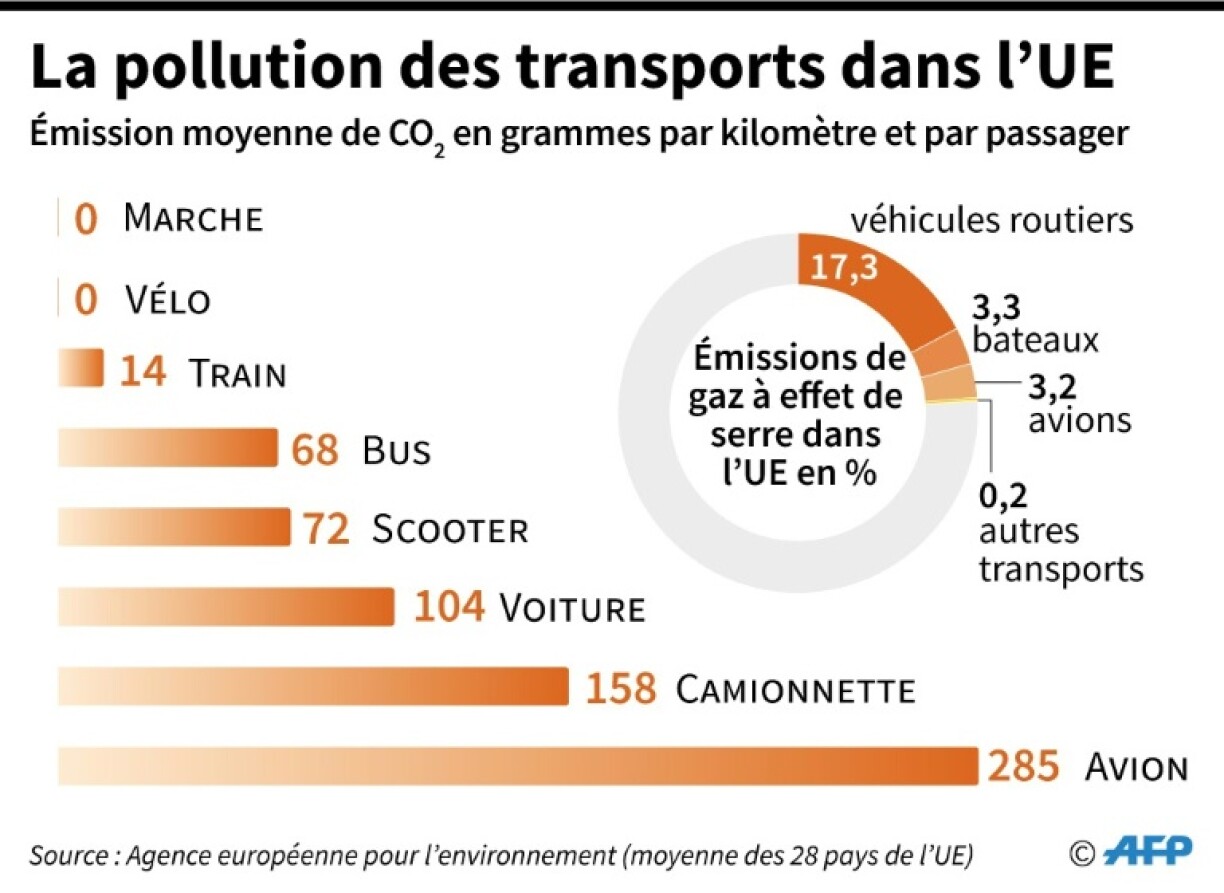
But the world has changed: in 2019, aviation has had a hard look at itself because of its mediocre carbon balance, which by far surpasses that of all other means of transport. Numerous environmental protection associations are demanding action, such this eco-tax on aviation.
Despite pro-active speeches from Brussels, eco-taxes are slow to find foot in the European Union. Even though eco-taxes bring in a nice of money (€369 billion in 2017), the member states are still a long way from walking hand in hand. While Latvia is leading the EU in this matter (in 2017, 11.11% of its fiscal revenue came from environmental taxes), the European average remains weak at about 6%.
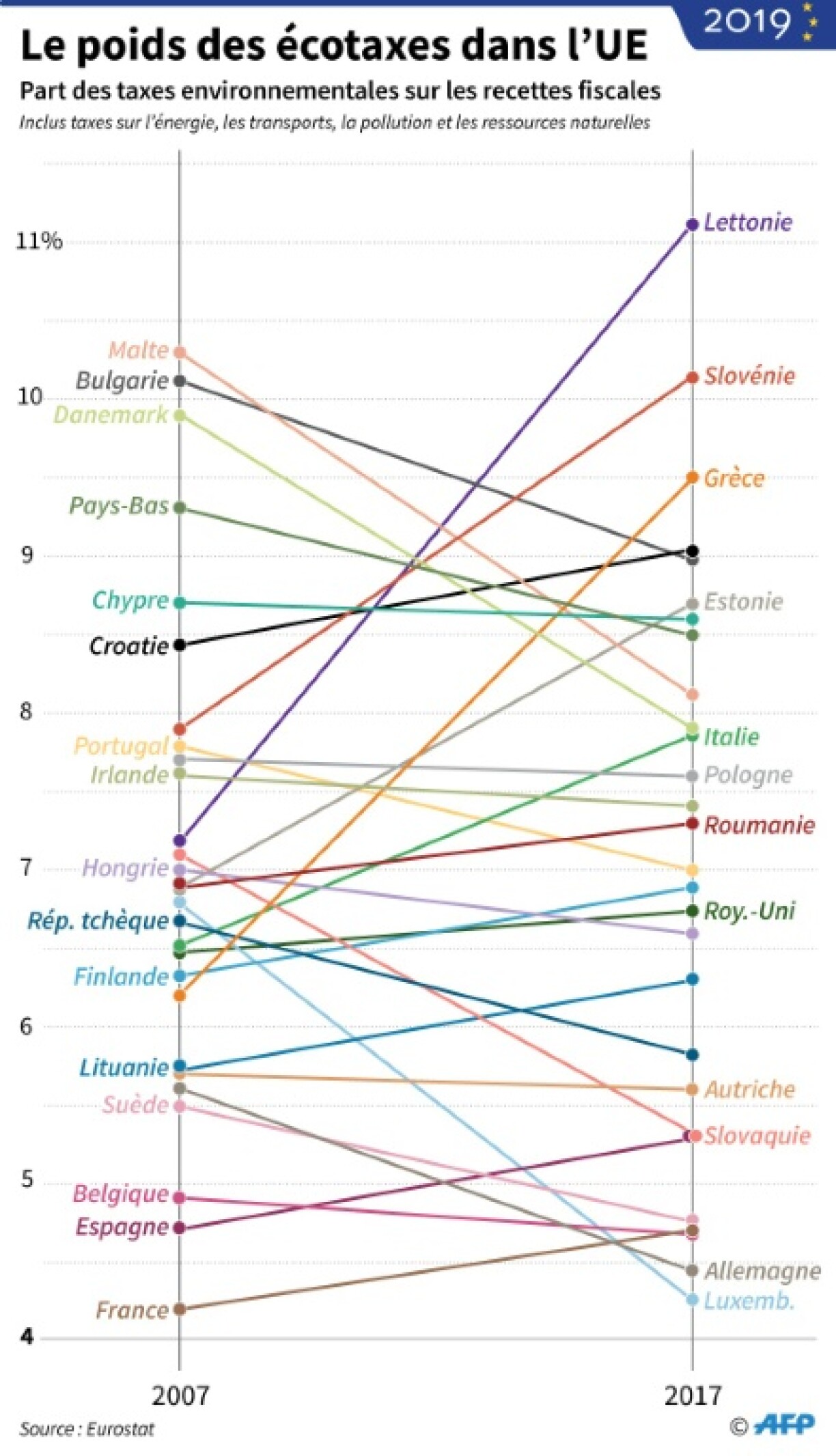
And Luxembourg certainly isn't setting a good example. In fact, it is the country that uses the least amount of green taxes (4.25%). It is worth noting that Germany (4.46%), Belgium (4.74%), France (4.77%) and Sweden (4.8%) are hardly doing much better.
Of course, taxes are but one among many ways of promoting sustainable development. Nevertheless, the question arises: should Luxembourg make its taxation greener to advance the ecological transition?





