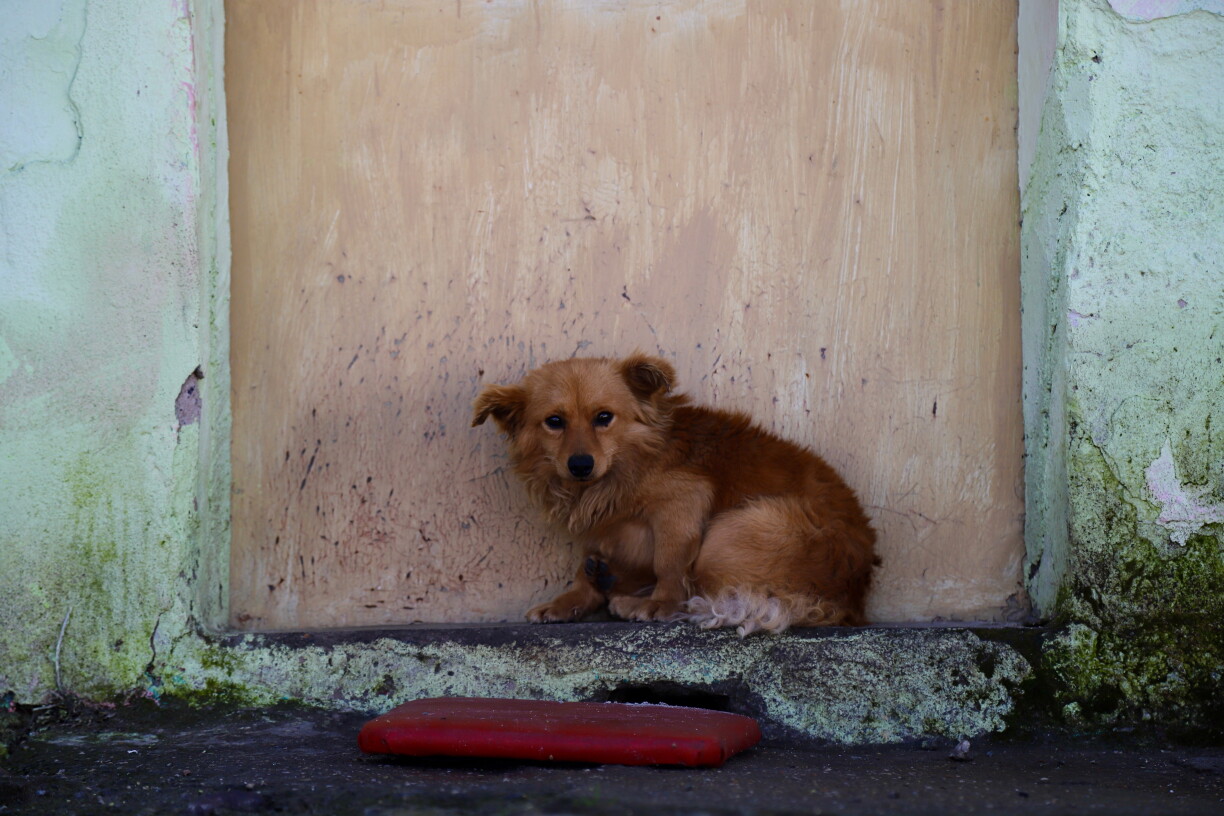
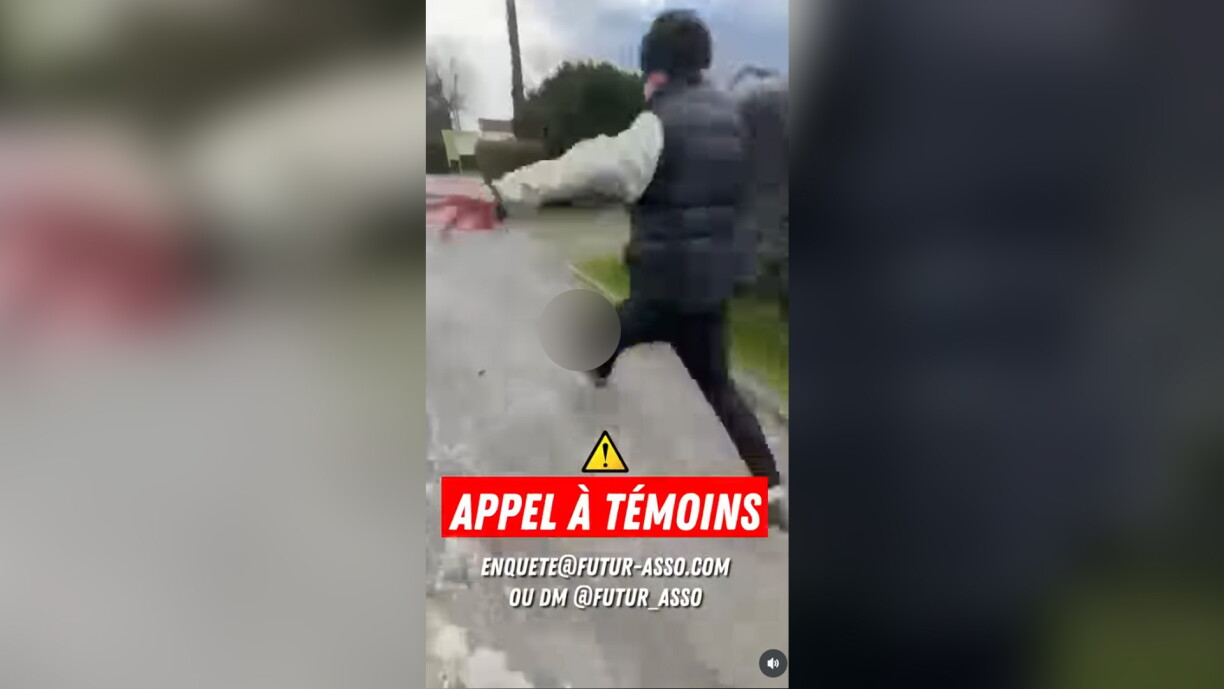
Earlier this week, RTL received a video from a user, which depicted a young man violently kicking a small dog, causing the animal to somersault and limp away in visible pain.
The video shows the dog, clearly injured and distressed, while the perpetrator and his companion can be heard laughing at the situation.
The user who sent the video asked RTL to verify the authenticity and origins of the footage.
As part of the EDMO-Projet, in which RTL is a partner, the newsroom investigates such cases to check both the content and the facts.
It wasn’t just RTL and other media outlets that were alerted to the incident; several police departments were also confronted with this or similar cases.
On Tuesday, the police responsible for the region around Arlon, just across the border in Belgium, clarified on social media that they had received a report of animal abuse.
However, according to their statement, the incident had not taken place within their jurisdiction.
After looking into the matter, they discovered that the reported incident had occurred in France, around 800 kilometres from Arlon.
Further research, including online searches and cross-referencing with French and Belgian press articles (here, here, and here), indicated that the incident took place in the town of Ribérac in the Dordogne region.
And indeed, by cross-referencing the footage with Google Maps, the locations visible in the video can be found in exactly the same place in this town.
One particularly striking detail is the slightly pixelated logo in front of a building with a flat roof.
Using this as a clue, RTL was able to locate a car garage in the town that matches all the distinctive features visible in the video.
It is not 100 per cent certain whether the Arlon police are referring to this exact video. However, both the distance and the action described match the video sent to RTL by a female viewer.
What is clear is that the offence shown in the video did not take place in the Greater Region, but rather in the French town of Ribérac, around 860 kilometres from Luxembourg City.
Animal welfare organisations quickly became aware of the case and began searching for the perpetrator via social media (here and here).
The Futur-Asso association announced on its social channels that it had identified the suspect and had filed a complaint against him.
Both Futur-Asso and the Arlon police have appealed to the public to refrain from vigilante justice.
Several names of young people with no connection to the incident circulated online, leading to them and their families facing insults, verbal abuse, and threats.
Both organisations warn against jumping to false conclusions and stress that unverified claims and everything posted on social media should never be taken at face value.
The police also warn people not to take matters into their own hands, but to leave it to the police to do their job in such cases.
They also remind the public that anything posted online can have consequences for other people, which, in this case, are innocent individuals, who may then have to fear for their safety for a long time to come.
This also creates additional work for the police, preventing them from properly and consistently carrying out their main duties.
The newspaper "Le Tarn Libre" reported on a family from northern France, hundreds of kilometres from the scene of the crime, who were wrongly accused because of the incident.
The family's son, mistakenly identified by some internet users, became the target of harassment and death threats.
His mother spoke out in his defence, urging people to stop their attacks or face potential legal action for harassment.


