
Extending the operational life of reactors beyond 40 years, ensuring plant safety, and the potential installation of next-generation reactors – these were key topics discussed in an interview with Jérôme Le Saint, director of the Cattenom nuclear power plant, conducted by our colleagues from RTL Infos.
A long-standing point of contention between Luxembourg and France, the Cattenom plant is not set to close anytime soon. In early July, France's Nuclear Safety Authority (ASN) granted EDF approval to extend the lifespan of its 20 oldest reactors – including Cattenom's four 1,300 MW units – beyond their original 40-year limit. If they pass their upcoming ten-year inspections, these reactors could operate for up to 50 years. But EDF is already looking further ahead, according to Le Saint.
Jérôme Le Saint: It's a third-generation reactor, whereas Cattenom's current reactors are second-generation. The EPR and EPR2 are French-designed models – developed by EDF – that maintain the same pressurised water principle as the existing fleet. However, they feature enhanced safety systems, including additional backup circuits. For example, an EPR-type reactor has four independent safety lines, effectively doubling redundancy compared to older models.
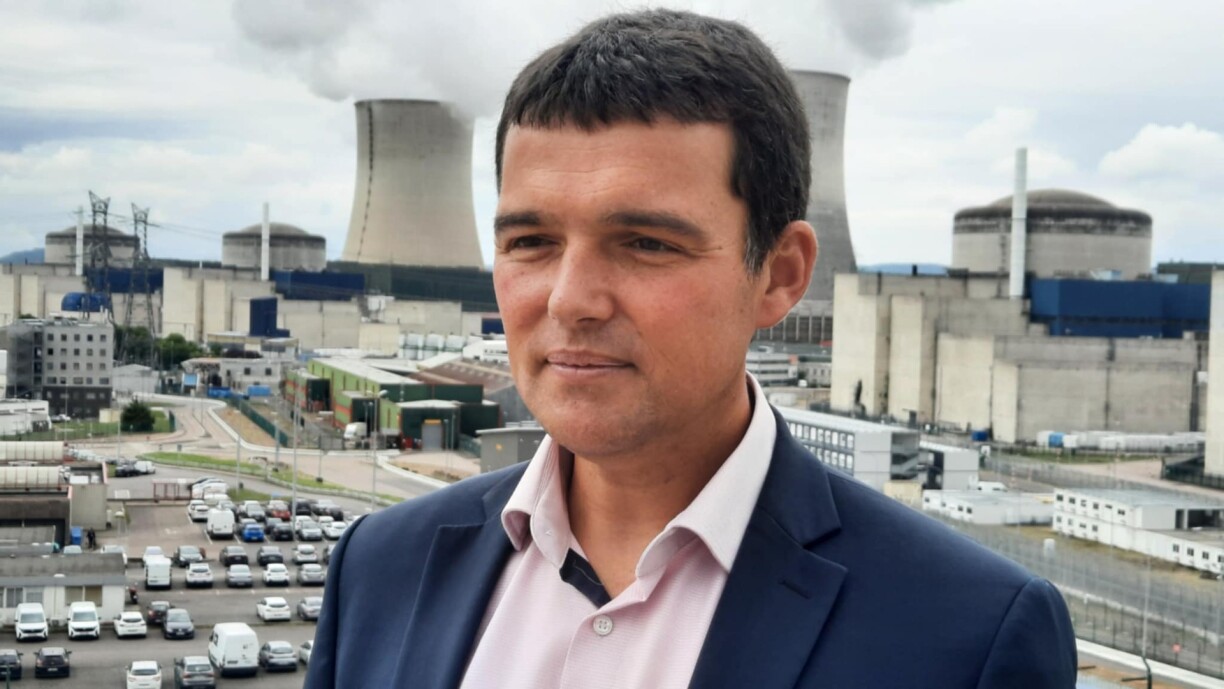
A nuclear power station doesn't emit CO2 when it's operating, so it's a good way to produce carbon-free energy. And if we look ahead, with electric vehicles, the installation of heat pumps, and so on, we can see a drop in fossil fuel consumption but a rise in electricity consumption. To meet this demand, we'll need new means of production. EPR reactors could be one of them.
Several criteria must be met to build a new nuclear site in a particular location, and Cattenom ticks quite a few of the boxes. You need water. The Moselle is a river with a fairly substantial water flow. On top of that, we have the Lac de Pierre-Percée, which can supplement the flow during low-water periods or dry summers.
You also need space, about a hundred hectares. At Cattenom, there is space around the power station, and a number of these plots already belong to EDF. You also need a suitable site: one with relatively low seismic activity and relatively low natural risks. Cattenom is located in a low-seismic zone with negligible flood risk. We are more than 20 metres above the Moselle. The sea is still a very long way off, so we don't expect a tsunami at Cattenom. All these factors make Cattenom a strong contender for future reactor deployment.

Each of Cattenom's four reactors produces 1,300 MW. An EPR2-type reactor produces about 1,650 MW. With a total capacity of 5,200 MW, Cattenom ranks as France's second-most powerful nuclear plant – and the second-largest in Western Europe.
Well, I can't say for sure. For now, nothing has been decided about EPR2s at Cattenom. If they were to be built, the timeline would have to be considered. Would they replace reactors 1 and 2? Or be built in addition? Nothing has been set in stone.
As with all developments – including our decennial inspections – we follow strict stakeholder engagement protocols. A public inquiry is held, which includes all local residents. The Espoo Conventions are also in place for this, meaning that Luxembourg and Germany are also consulted. So this will be the case for the 40-year extension of reactor No. 1 and the subsequent ones. If we were to build EPR2-type reactors, the same would apply.
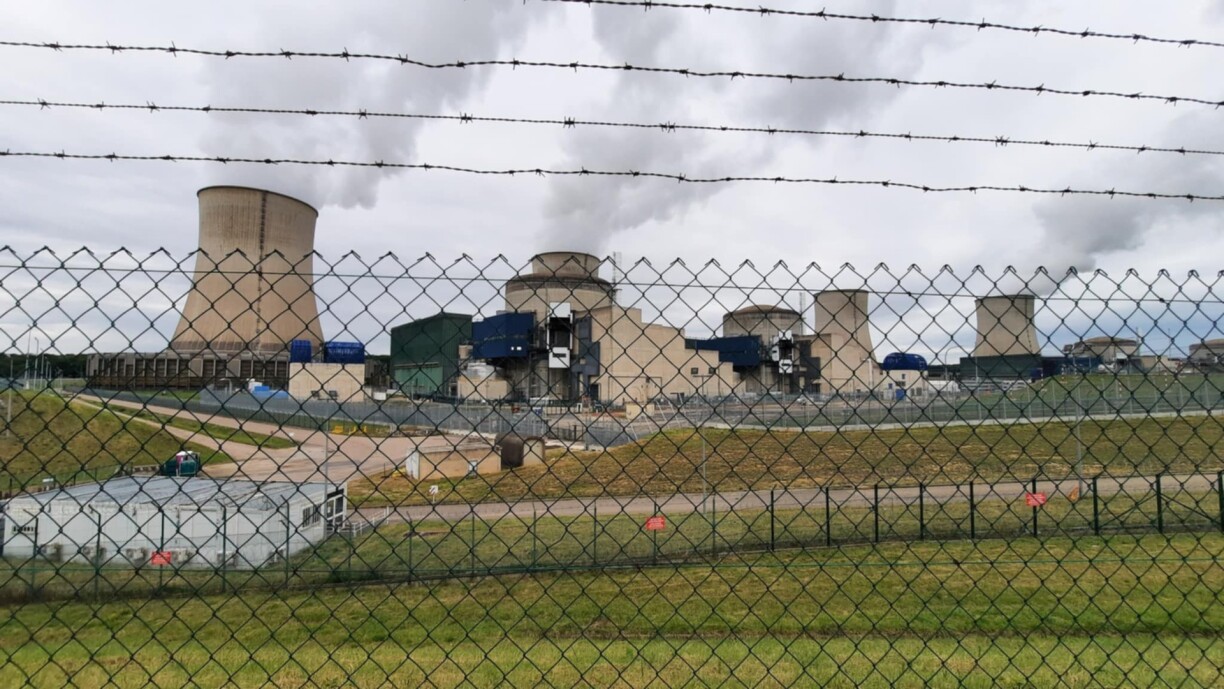
The plant is safe, and safer than ever as it approaches its 40th anniversary. This is because, in France, there is no set operational lifespan for a nuclear power plant. That's what the regulations stipulate. Every ten years, in order to get authorisation to operate for another decade, the regulations require us to carry out modifications that enhance the level of safety.
This means that Reactor No. 1, which is about to turn 40, has already undergone three ten-yearly inspections, and therefore three safety enhancements since it was first built. In 2027, we will carry out the fourth ten-yearly inspection, during which we will make 250 modifications to increase the level of safety.
We conduct compliance checks to verify all equipment matches its original design specifications. We carry out preventative maintenance. We have maintenance programmes, similar to vehicle roadworthiness tests, to ensure everything is working properly. And we make modifications to improve safety levels.
For example: in the event of an accident, we have a circuit that sprays the inside of the containment building – sort of like a giant shower that reduces the pressure and prevents a pressure-cooker effect from building up inside the reactor building. There are two lines, two circuits, that can perform this spray function. They are independent and have their own water supplies. We are going to add a third circuit with a new heat exchanger. Several kilometres of pipework will be added, a new pump, and so on. This work will be completed before the decennial inspection.
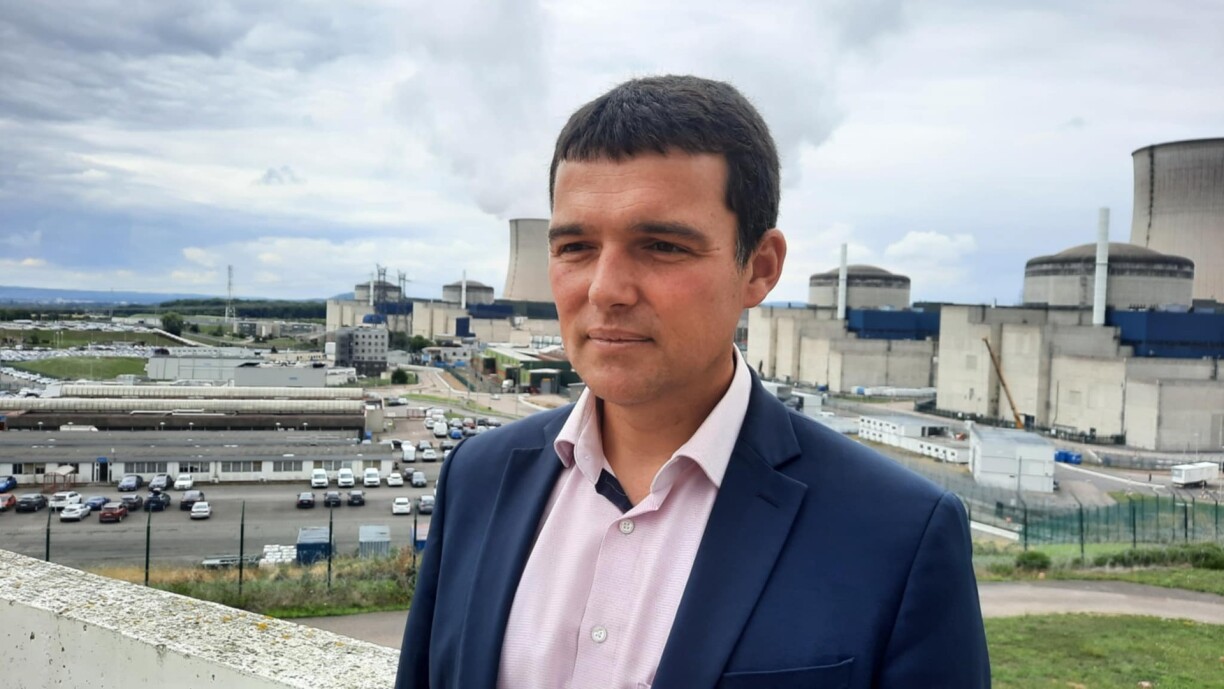
There isn't one. Technically speaking, we haven't identified any fundamental limitations yet. In the United States, for example, pressurised water reactors like the ones at Cattenom have been authorised to operate for up to 80 years. I believe 11 reactors have this authorisation.
This raises important considerations for EDF's entire fleet. Is it possible to go up to 60 years? And beyond 60 years? From an engineering perspective, there are no inherent barriers. A certain number of checks have to be carried out to demonstrate the equipment's ability to hold up over time to that age.
We're proactively working to secure authorisation for operations up to 60 years. The period between 50-60 years of operation presents specific challenges, particularly regarding climate change impacts on water resources
How is the plant preparing for global warming?
We've initiated comprehensive climate studies projecting water availability through 2050-2060. Our research indicates total annual water volumes may remain comparable to current levels, but with more in winter and less in summer.
This raises the issue of storage. We are currently looking for where we could collect water and where it could be stored. There are old mines in the Moselle region that could be places to draw water from in the summer. The question of creating a second reservoir in the Vosges is also being considered. The other challenge is to consume less water. We are looking at how to collect rainwater, and also how to evaporate less water.
Read also:
Reviving nuclear power: France extends Cattenom nuclear reactor by ten years
200+ upgrades in the pipeline: EU energy chief visits Cattenom amid reactor lifespan extension plans
Cattenom nuclear power plant: Luxembourg reaffirms opposition to runtime extension





