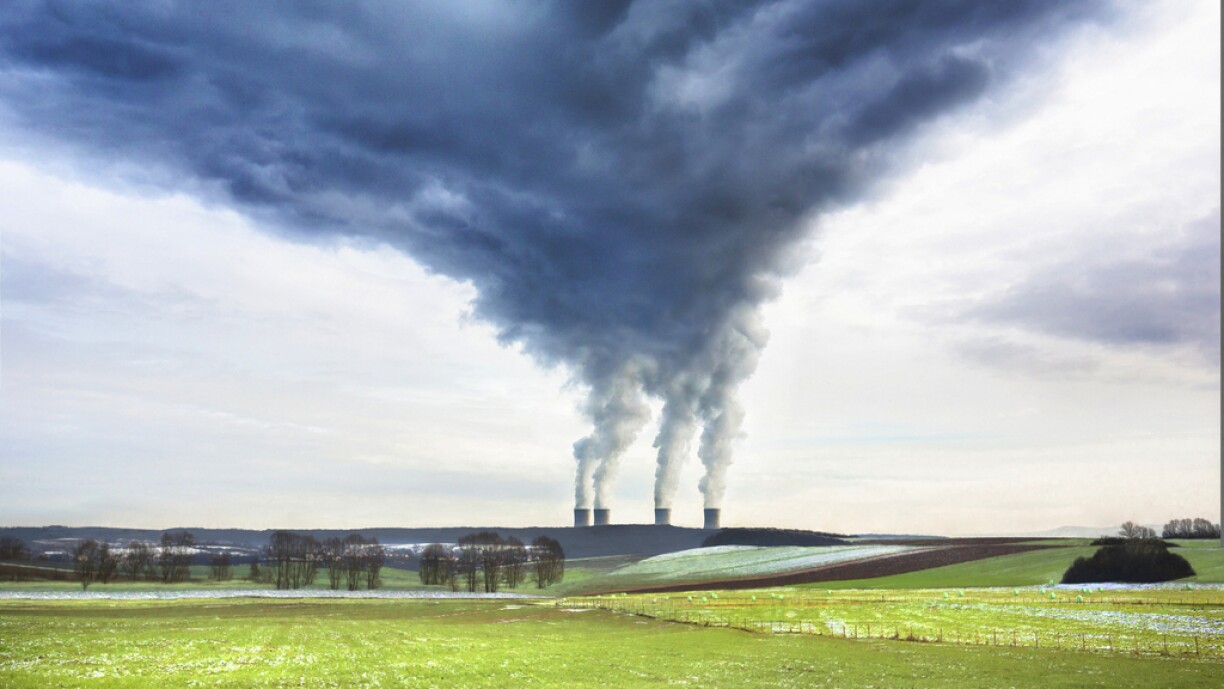
The Cattenom nuclear power plant hosted the new European Commissioner for Energy, Dan Jorgensen, on Monday, where plant director Jérôme Le Saint outlined efforts to extend the facility's operational life by ten years. Le Saint also noted the site's technical capacity to accommodate a next-generation EPR 2 reactor.
The visit came just five days after France approved 10-year extensions for its 1,300 MW nuclear plants, including Cattenom's four reactors. Commissioner Jorgensen, accompanied by EDF CEO Luc Rémont and Le Saint, toured the Moselle facility – marking his first visit to any nuclear power plant since assuming office in December 2024.
During the condensed tour, Jorgensen visited critical areas including the reactor and fuel buildings, the turbine hall with its operational equipment, and the plant's central control room.
They aimed to showcase "as much as possible" within the time constraints, Le Saint noted. But the visit primarily served as an opportunity to demonstrate nuclear energy's role in carbon-free, large-scale electricity production.
The plant director emphasised nuclear power's advantages as a controllable, high-output alternative to renewables, while diplomatically stressing the need for "complementarity between nuclear and renewable energy sources."
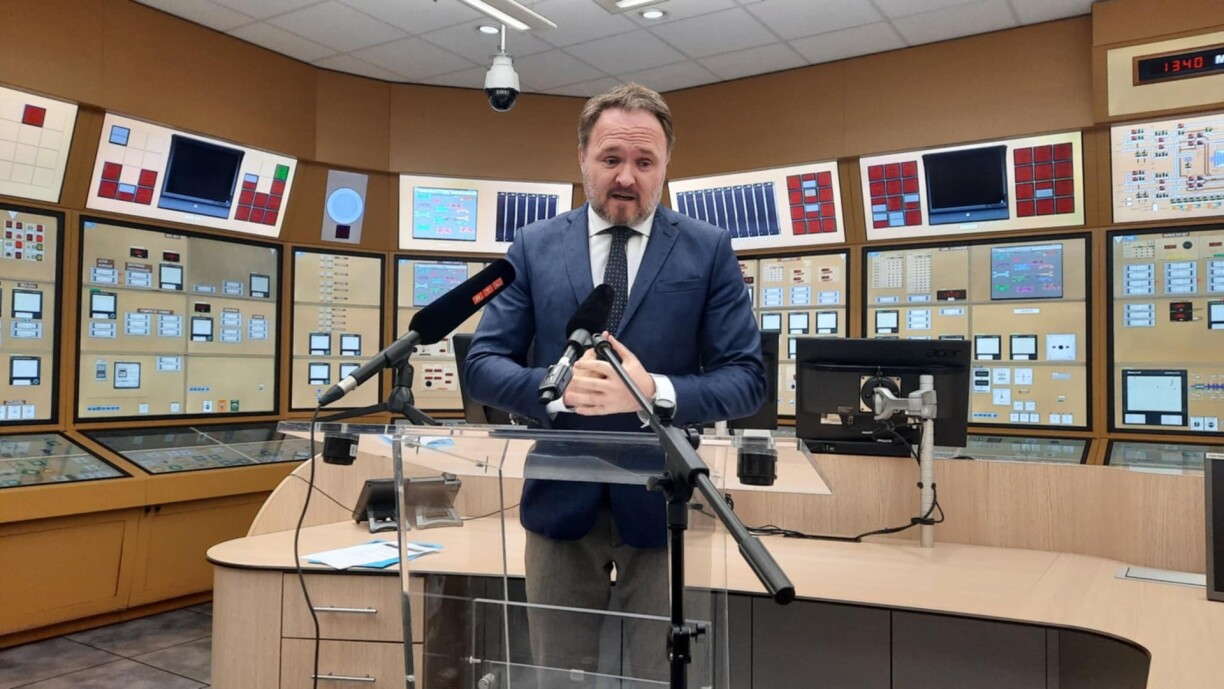
Extending the operational life of 1,300 MW reactors beyond 40 years requires compliance with substantially enhanced safety specifications. "We're preparing to implement these changes, with over 200 modifications scheduled during the next ten-year inspection", explained Le Saint.
The first wave of upgrades for Reactor No 1 will commence in 2027, coinciding with its 40th anniversary. The director outlined the phased approach: "We're currently preparing modifications to secure authorisation for the first reactor, followed by the second, and then the other two."
Le Saint noted Luxembourg had participated in consultations, confirming the new specifications address "some" of their concerns. The upgrades involve tripling critical safety systems, including the addition of third cooling circuits for both the reactor building and fuel pool, along with new containment spray systems.
"This requires integrating kilometres of piping, new heat exchangers, and additional pumps into existing infrastructure", Le Saint detailed. The improvements aim to elevate safety standards closer to third-generation reactors, despite Cattenom operating second-generation units.
"Over the past 40 years, we've completed three ten-year inspections, each strengthening safety protocols", Le Saint noted, adding that the current upgrades represent "nearly double the modifications that were implemented at the 30-year mark".
Addressing potential EPR2 reactor construction at Cattenom, Le Saint clarified: "The French government holds decision-making authority, while Cattenom's local officials will have to request an EPR2 reactor."
Regarding the question whether the population and elected officials are in favour of such an initiative, Le Saint stated that Cattenom offers suitable conditions, namely available land and water access. However, he acknowledged that the ultimate choice remains a political one.
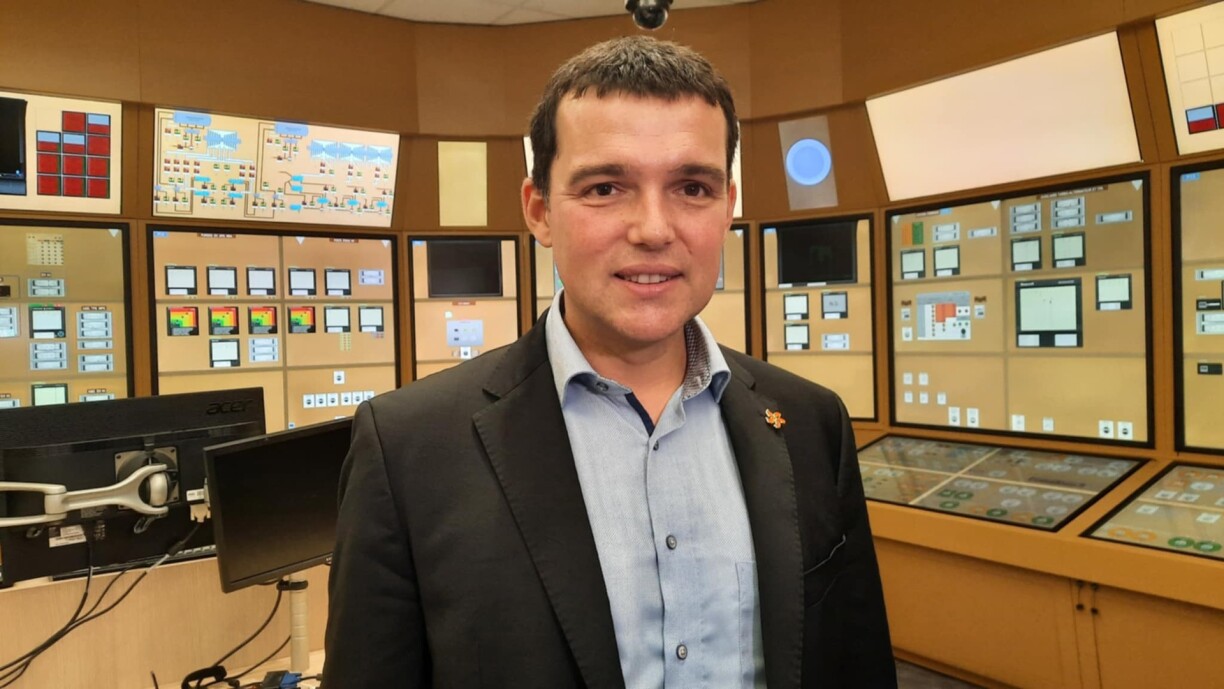
Commissioner Jorgensen expressed gratitude for his visit to the Cattenom facility, telling press gathered at the plant that "nuclear energy has a crucial role to play in building a resilient and cleaner energy system".
The Commissioner referenced the European Commission's recent assessment of nuclear investment needs through its 8th Nuclear Illustrative Programme (PINC), published on 13 June. The Commission's analysis shows required investments exceeding €240 billion by 2050, he stated. This substantial figure accounts for member states' planned expenditures across three key areas: maintaining existing plants, extending operational lifespans, and constructing new next-generation reactors.
Jorgensen further noted that additional funding will be necessary for emerging nuclear technologies, including Small Modular Reactors (SMRs), Advanced Modular Reactors (AMRs), micro-reactors, and future nuclear fusion projects. "The Commission will introduce new initiatives supporting SMR and fusion development in coming months", he pledged.
The Commissioner also highlighted electrification as another priority area. "Our affordable energy action plan targets increasing electricity's share of total energy consumption from 23% in 2023 to 32–33% by 2030", he explained.
Read also:
Reviving nuclear power: France extends Cattenom nuclear reactor by ten years
Nuclear power plant: Cattenom director talks about potential new reactor
Cattenom nuclear power plant: Luxembourg reaffirms opposition to runtime extension





