The world is witnessing with deep concern the human suffering resulting from the Hamas attack on Israel and the subsequent Israeli response in the Gaza Strip.
Amidst this humanitarian crisis, there are growing questions about the potential repercussions of the war and further escalations on the global economy, particularly with regards to oil prices.
The 1973 Yom Kippur War between Egypt, Syria, and Israel triggered a serious oil crisis that impacted the global economy for years. Luxembourg itself was not immune to the impact.
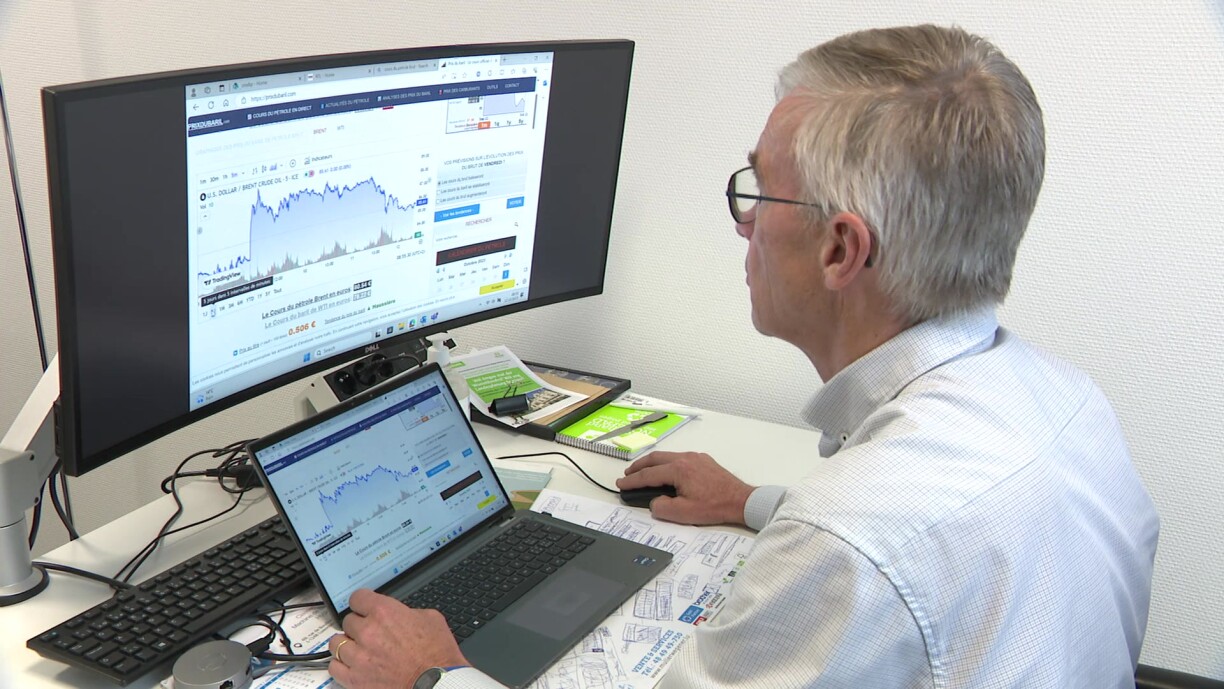
As of now, the Energies Mobility Group reports that the distressing events unfolding in the Middle East have not yet had a pronounced effect on oil prices. Romain Hoffmann, the group's chairman, does not expect an oil crisis like that of the 1970s. He points out, "Today, world production is much more diversified. Back then, a substantial portion of oil production came from Arab countries. However, today we have a multitude of major oil producers, including the United States, Russia, which still exports, and African nations. The global oil landscape is far more diverse."
In contrast, Minister for Energy Claude Turmes expressed concerns about the potential for the Middle East conflict to drive up oil prices. He points to the involvement of Iran behind Hamas and its implications: "Why am I concerned? Because behind Hamas is Iran. This means that Russia needs high oil prices to finance its war efforts, Saudi Arabia relies on high oil prices for its policies, and Iran also has an interest in high oil prices. In other words, we have the ideal conditions here for a serious economic crisis," according to the minister.
Since the oil crisis of the 1970s, Western nations have maintained oil stockpiles capable of sustaining them for up to 90 days. However, Minister Turmes stresses that "there would be little point" in releasing these reserves into the market during a price surge. He explains, "In Europe, we have no direct influence over oil prices. The only thing we can do, and an objective we've been pursuing in recent years, is to ensure that we reduce our over-dependence on oil."
Full report by RTL Télé (in Luxembourgish)





