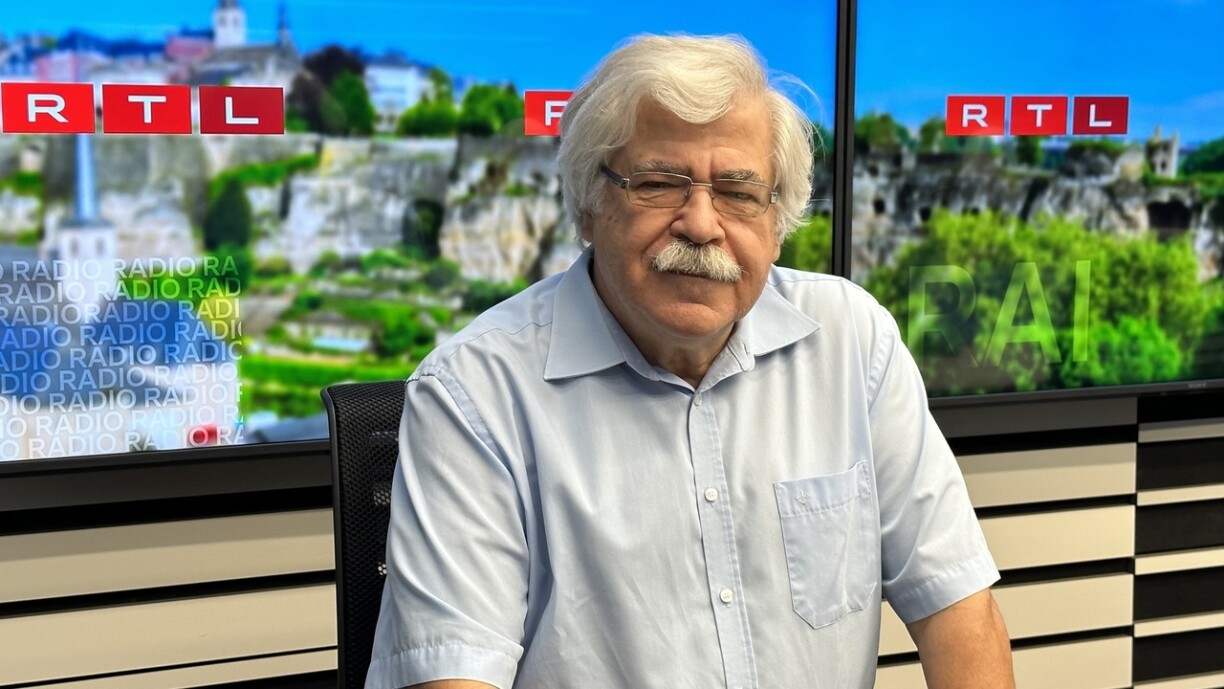
Ruckert criticised the EU's trajectory over the past decades, condemning what he sees as a focus on cuts to social services and increased militarisation.
He argued that the EU primarily serves the interests of corporations and banks rather than working people. While the KPL does not advocate for exiting the EU, Ruckert called for a structural overhaul, emphasising that if elected, he would champion these reforms within the European Parliament. However, he expressed scepticism about the Parliament's efficacy, highlighting the imbalance of power between the EU and its member states.
Pointing to widespread unemployment and social challenges across the EU, Ruckert lamented the lack of serious attention to these issues, which he believes fuels support for populist and far-right movements.
In terms of foreign policy, Ruckert criticised the EU's involvement in conflicts, including the war in Ukraine, advocating for an end to military support for Ukraine and Luxembourg's withdrawal from NATO. However, he clarified that the KPL's stance is not "pro-Russia" but "pro-peace," advocating for diplomatic solutions rather than further escalation.
Reflecting on the KPL's electoral performance, Ruckert, who joined the Communist Party when he was 16 years old and is now 69, acknowledged their low vote share but attributed it to limited resources and lack of media exposure between elections, asserting that the party receives no government funding and is often excluded from media coverage.





