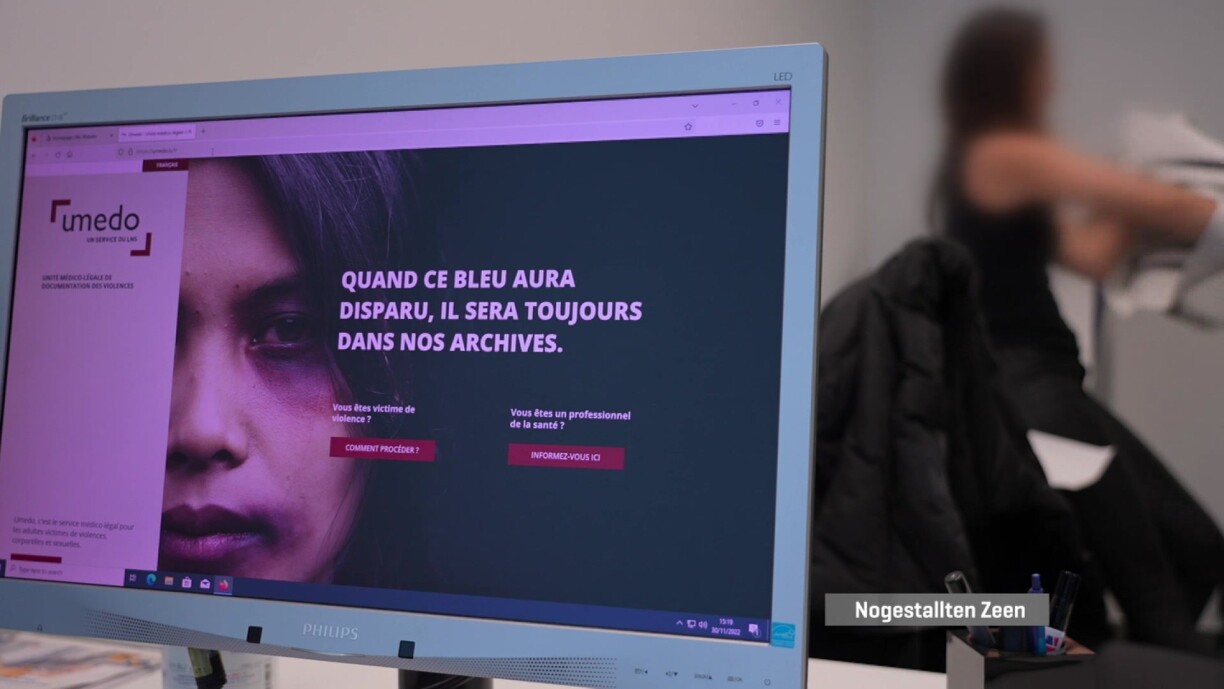
Despite the hopes of its creators, the 'umedo' service offered by the National Health Laboratory (LNS) has failed to attract a significant number of victims. Five years after the launch of the victim outpatient clinic, stakeholders recently convened to evaluate its effectiveness and discuss areas for improvement.
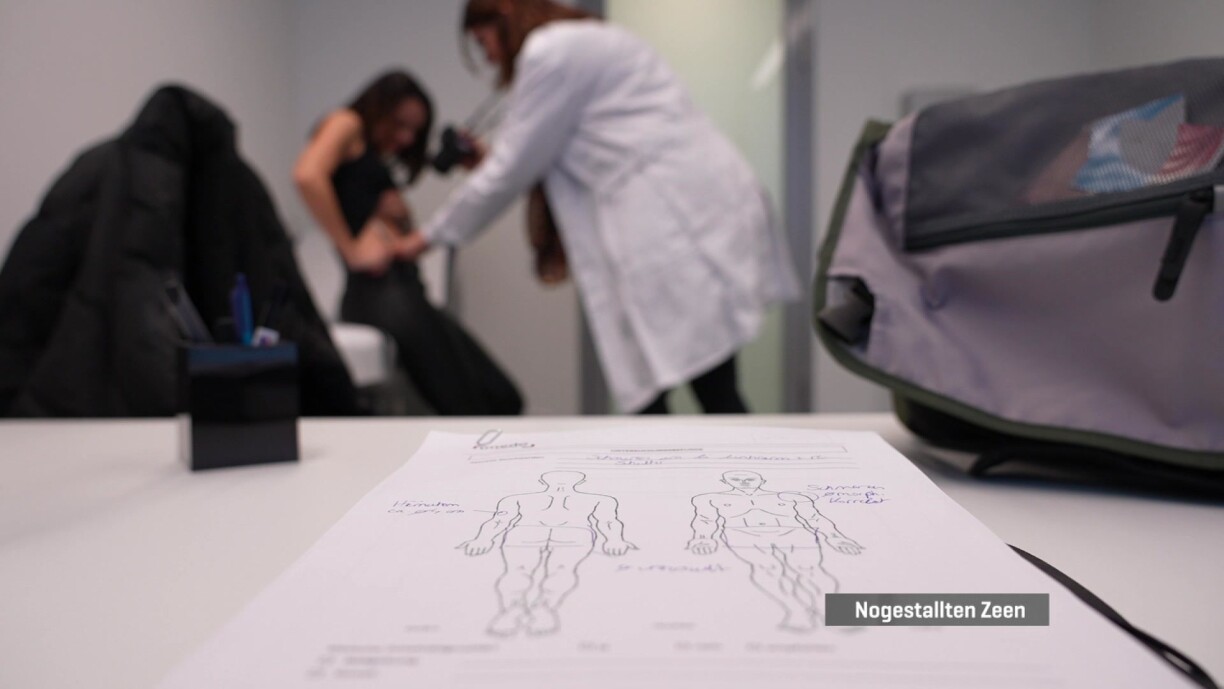
The service's primary purpose is to document and provide care for visible injuries and biological traces confidentially and free of charge. This documentation can serve as crucial evidence in police investigations or court proceedings at a later point in time. Over the past five years, approximately 96 individuals, predominantly women, have used this service, with around 20% subsequently accessing their data. While stakeholders acknowledge the service's importance, it remains relatively unknown.
According to David Lentz, Deputy Public Prosecutor specialising in Youth Protection, many social sector professionals are unfamiliar with 'umedo'. He highlighted that during various presentations and events, people often express surprise upon hearing about the service, but subsequently, they appreciate its potential value.
Ana Pinto, President of 'La voix des survivant(e)s' ('The Voice of the Survivors'), also emphasised the lack of awareness surrounding the service, stating, "Practically nobody knows about it." She expressed the need for increased publicity and public campaigns to promote these vital services.
Both the survivors' association and Femmes en détresse ("Women in distress") advocate extending the service to minors, creating a space where they can confidentially share their experiences without immediate legal consequences. In this envisioned scenario, adolescents could receive psychological support to build their resilience, and when they are ready, the option to press charges would be pursued in consultation with them.
For the public prosecutor's office, however, this is out of the question; it is seen as more important to inform young people about the role of the police and the judiciary, in order to reduce tentativeness.
Deputy Public Prosecutor Lentz presented his concerns, stating, "If we were to refrain from flagging cases involving young people, and attempted a therapeutic approach, I fear this would subsequently lead to an increase in unreported cases. Predators who have assaulted children could continue their actions without consequences. This is not an acceptable scenario. Child abuse must be reported."
The National Health Laboratory (LNS) is set to intensify its efforts to raise awareness about the victim outpatient clinic. Long-term strategies proposed by stakeholders are also under consideration.
Dr Martine Schaul, who oversees the 'umedo' service, explained, "We aim to expand the training of healthcare professionals at various levels and collaborate with clinics to offer regular training events as the primary focus."
Furthermore, a potential advertising campaign hinges on budget considerations, which require further assessment to determine feasibility.
Full report by RTL Télé (in Luxembourgish)





