This interaction occurs both within Luxembourg and, at times, during extended stays abroad.
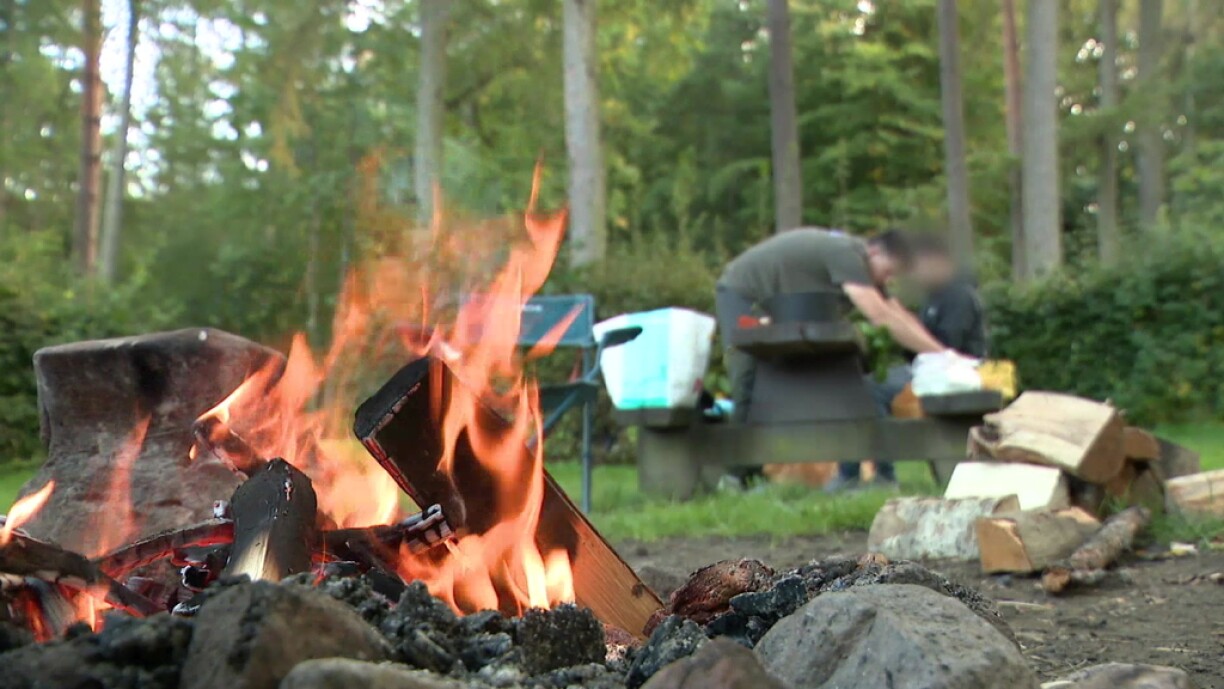
Max Meisch, one of three educators with BeLeaf, shared insights from his recent experience, having spent six days in The Hague with a young person. He noted that the young participants often engage in extraordinary activities that stretch their boundaries, ranging from micro-adventures to more extensive undertakings. These endeavours encompass domestic and foreign experiences, such as a single evening in the forest or cooking meals over an open fire during a ten-day outdoor excursion. Meisch highlighted the diversity of activities, emphasising that many young people get to explore new horizons through the project.
The BeLeaf initiative encompasses a range of interventions tailored to individual needs, such as art therapy, access to a music studio, or one-on-one conversations with the young participants. The duration of engagement typically extends from six months to a year, depending upon the progress and requirements of each young person.
A pivotal aspect of this project is voluntary participation, underpinned by a foundation of trust established within secure and transparent relationships. Meisch underscores that these strong connections empower young individuals to venture outside of their comfort zones and engage in more extended journeys, enabling personal growth.
While Meisch specialises in experiential education, this is only one of many methods the project uses to work with young people. Each method is tailored to the unique needs and preferences of the individuals involved, designed to aid them in their specific circumstances.
The project primarily caters to young people aged 13 to 21 who are grappling with challenging life situations. Currently, many of them reside in various care settings, including structured facilities, family support, or are participants in programmes abroad. However, there are plans to extend access to additional young people in the future.
The experiences facilitated within the project often evoke newfound motivation within the young participants, inspiring them to approach life from a different perspective. Meisch highlighted a particularly fascinating aspect of this transformation, observing that young individuals may exhibit different behaviours outside and inside of the project. This sometimes reveals that certain challenges may be situational rather than intrinsic to the individual. Adjusting certain aspects can yield significant behavioural changes within their familiar environment, according to Meisch.
The project's capacities are limited, with a ratio of two young people per educator, and three educators contributing. They collaborate with the young people to set goals and achieve them together.. Once these goals are met and have a positive impact beyond the project's scope, the individualised educational intervention is considered successful. However, there are various reasons for a project to end abruptly, such as when heavy drug use or mental health concerns necessitate forms of support outside of BeLeaf.
Among the 14 young people engaged in the programme, seven have successfully completed it, benefiting from six months to a year of dedicated one-on-one support. Meisch maintains ongoing contact with all the programme's alumni, acknowledging the intense shared experiences and the unique bonds formed during their journey together.
He shared, "We are humans and as such we always enter into a relationship, and when you have worked very intensively with a young person for half a year, a year, of course you are going to be a bit sad when you don't see each other so regularly anymore."
The BeLeaf project operates as a supplementary support system, tailored for those young individuals willing to engage in this type of personalised intervention. It's not a one-size-fits-all solution, but rather a valuable opportunity for young people to explore individual experiences that may not be readily available.
Full report by RTL Télé (in Luxembourgish)





