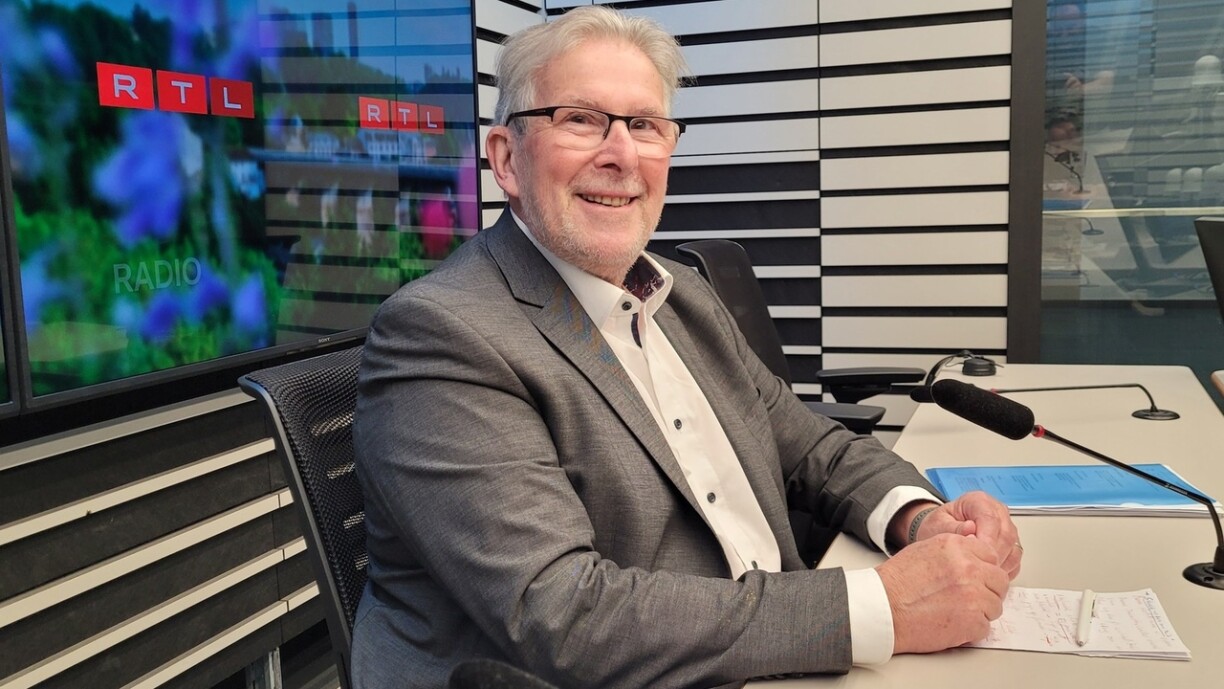
According to Mars Di Bartolomeo, there was "less top-down decision-making" in Luxembourg during the pandemic compared to other countries. The Luxembourg Socialist Workers' Party (LSAP) MP underscored that the Grand Duchy's institutions remained fully operational throughout most of the crisis, with decisions consistently avoiding impulsive reactions.
Having served as president of the Parliamentary Health Committee during the last legislative period and as rapporteur for over thirty Covid-19 laws, Di Bartolomeo emphasised the transparency of the process, with all reports being made public.
While acknowledging that most texts were passed only by the majority parties, he clarified that any disagreements typically revolved around "individual details." Subsequent revisions aimed to achieve the broadest possible consensus.
Bartolomeo noted that this approach and the measures taken in general have been praised by international institutions, highlighting the fact that across the European continent, Luxembourg's schools were closed for the least amount of time. The LSAP politician stressed that "this was the right decision."
In his eyes, the same applies to the decision to launch large-scale vaccination campaigns, but on a voluntary basis. When asked whether the decision in favour of the 3G/2G system (editor's note: requiring residents to be vaccinated, tested, or recovered to enter certain areas or buildings) was proportionate, Bartolomeo acknowledged that the choice could be viewed as "debatable" in hindsight. However, he emphasised that the government acted based on available information and subsequent insights altered perspectives.
Reflecting on the government's response, Bartolomeo acknowledged imperfections but stressed the delicate balance between public health and individual freedoms. He expressed confidence in the overall success of this balancing act.
Regarding ongoing efforts, Bartolomeo confirmed the continuation of work on a pandemic law, expected to conclude by the end of 2024.
As a candidate in the upcoming European elections, Bartolomeo was asked whether he would enter the European Parliament if he were elected. He responded affirmatively, stating, "Why not."





