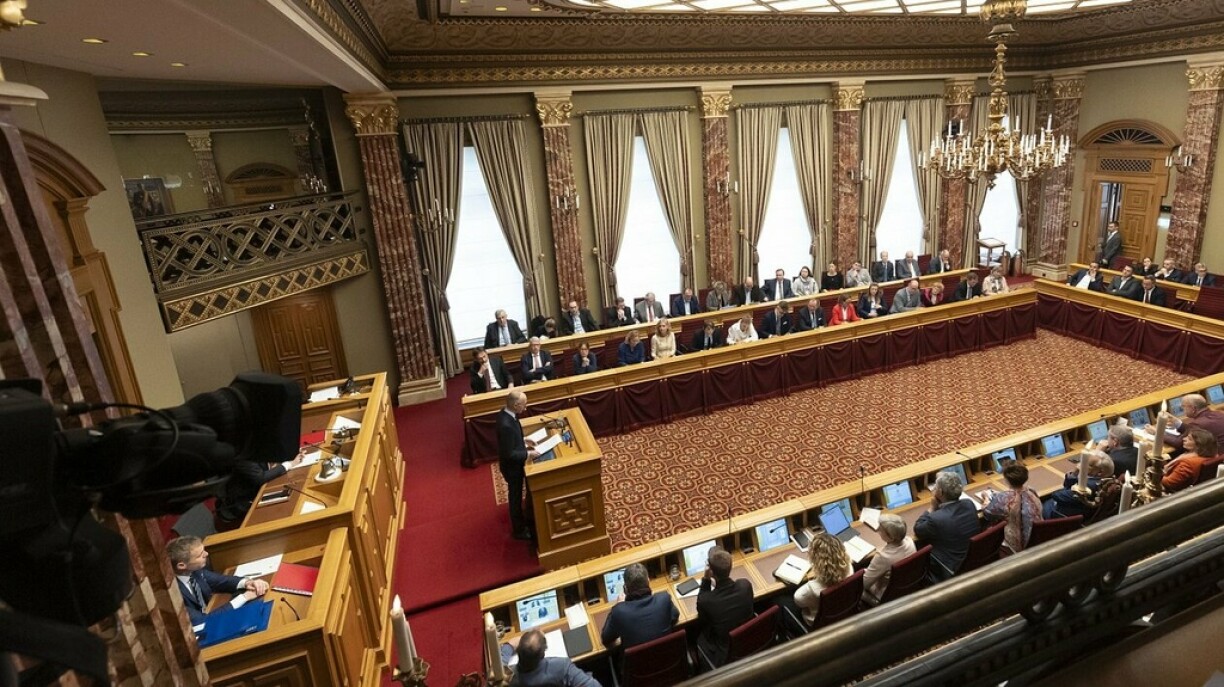
This sparked intense discussions, providing a platform for the new President, Claude Wiseler, to assert his leadership.
Marc Spautz of the Christian Social People's Party (CSV) acknowledged the merit of the resolution but suggested discussing it at the Presidents' Conference, "if Ms Tanson agrees."
Gilles Baum of the Democratic Party (DP) cautioned against complete transparency, emphasising the need to define sensitive issues in the Presidents' Conference. He expressed concerns that a live broadcast could "expose civil servants."
Sven Clement from the Pirate Party supported the resolution, pointing out that the idea had been previously proposed by the CSV, stating, "it's even word-for-word almost the same." Clement criticised the DP for allegedly hindering transparency over the past three years.
Baum, the DP parliamentary group president, contested this accusation, stating, "Well, that's just unacceptable. What is the truth here? I've given you two arguments that are important to us." The President of the Chamber of Deputies intervened, reminding members to request the floor before speaking.
Ultimately, the resolution to make parliamentary committees public was left for the Presidents' Conference to decide, along with the resolution on the reform of the status of Members of Parliament. Clement expressed support for the latter, and Taina Bofferding from the Luxembourg Socialist Workers' Party (LSAP) also found it "quite appealing."
However, the Left Party's resolution to involve the Chamber of Deputies in the national meeting on the crisis in construction and housing was rejected. Spautz argued that, "as appealing as this idea is, it's not the right moment to adopt this resolution, so we will reject it." Both the CSV and DP MPs therefore decided to vote against their own participation in this meeting.





