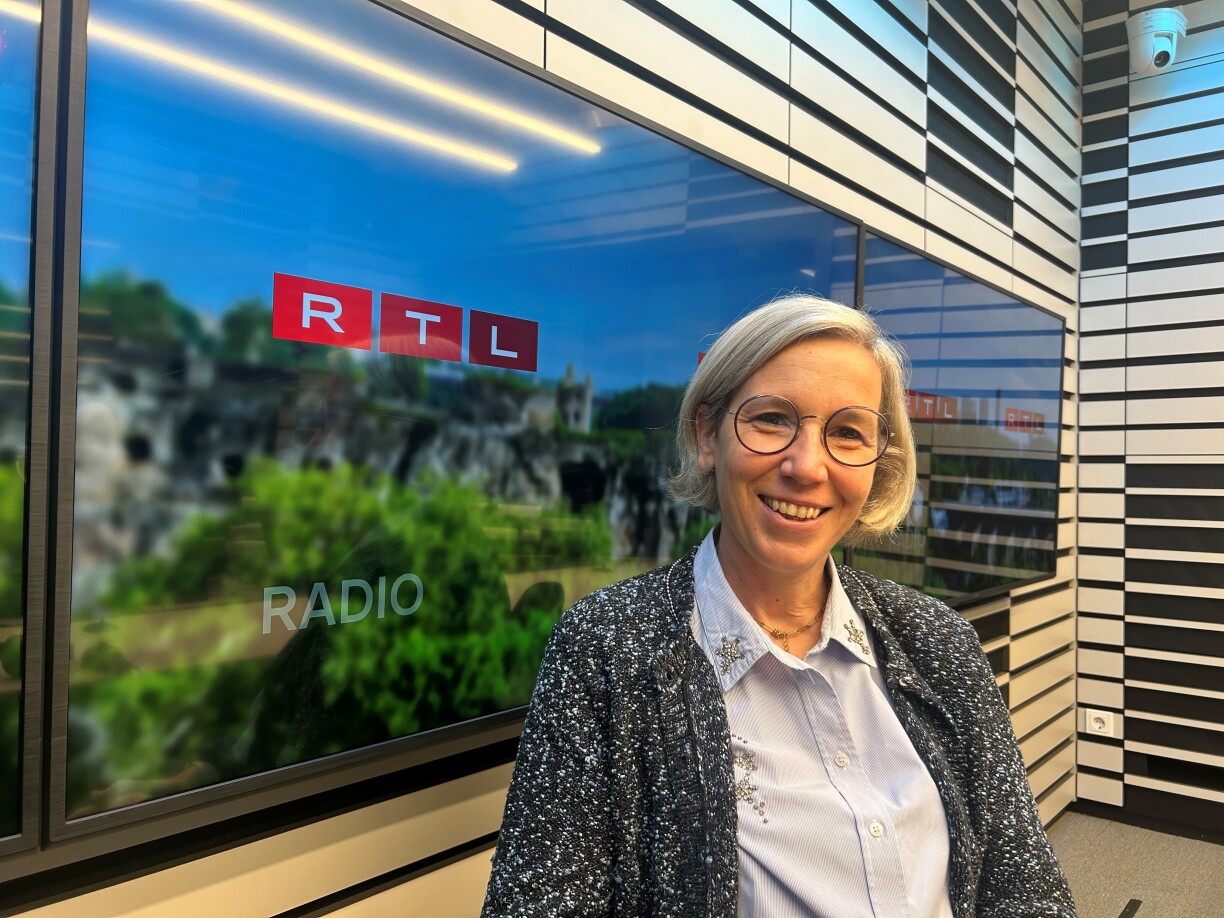
Sam Tanson, spokesperson for The Greens (Déi Gréng) in the Chamber of Deputies, has welcomed the agreement reached by the tripartite – the government, employers, and trade unions – but highlighted several areas where the government could do more, especially on energy transition, social justice, and housing. "We are really pleased that the social partners managed to sit down together at the same table", Tanson said, adding that significant efforts were made by all parties and that the agreement is important for social cohesion during a "very complicated situation" for the country.
Tanson also acknowledged the government’s work in reaching the deal, stating: "When something is a success, you have to recognise it, even as the opposition. And that is what we are doing." She stressed the importance of dialogue, saying, "That dialogue seems to have been re-established", and expressing hope that trust among the partners "is now back and not lost again".
Despite this support for the process, Tanson emphasised that many more decisions will be needed in the coming months and that the underlying social and economic situation remains difficult.
Tanson was critical of the government’s decision to extend subsidies for fossil fuels, including diesel, petrol, heating oil, and gas, which will remain in place until the end of the year. She questioned the logic of subsidising fuels when the focus should be on basic necessities. "I looked at the documents again… I did not find any demand from the social partners for the government to cap petrol prices", she stated, adding that she doubts whether "a few cents per litre" will really have a meaningful impact on inflation, especially given daily fluctuations in prices.
Instead, Tanson question whether the government should have put more effort into easing the burden of high food prices, which affect everyone at the moment. She suggested, "Why not reduce VAT to zero on basic food?" Sharing a personal anecdote: "I went to buy tomatoes the other day, and six tomatoes cost me six euros. These prices are really crazy".
She pointed out that while fuel costs are not essential for everyone, "you can do without petrol if you use free public transport", food is a necessity. She further recalled that the Minister for Energy himself had recently argued against such subsidies on fossil fuels, citing concerns about "supply security" and increasing pressure on the country’s energy infrastructure. According to Tanson, those arguments seem to have disappeared without explanation, leaving important questions unanswered.
On the energy transition, Tanson welcomed announcements of new measures but criticised the delay in implementing them. "We wonder why it took so long. We said at the start of the crisis that it would be good to accelerate these things", she said, pointing to the example of the social leasing scheme for electric cars, which will only start from 1 January next year, meaning "several more months will be lost". She also noted that a leasing model for heat pumps is still missing from the agreement.
Tanson acknowledged that the agreement includes some targeted measures on housing, but said the response is insufficient given that the government itself admits that “housing is the biggest challenge we currently face, both socially and economically." She noted that the government’s solutions are mostly “targeted tax reliefs for property owners” or those wanting to become owners and do little for those struggling to find affordable accommodation .
According to Tanson, what's missing is holding those responsible who hold empty properties and land held back from the market. She underlines that it would be important to prioritize this, it is important to send a signal that everyone should contribute" to solving the crisis. Underlining that when some have a lot and others can barely afford housing "that creates a lot of other problems." She also called for better protection for tenants, especially when it comes to rent prices, saying, “We have no protection for tenants when it comes to prices, something needs to change there” .
Turning to the financial implications of the Tripartite agreement, Tanson raised concerns about how the estimated €450 million cost will be financed. She referred to comments made on Tuesday by Minister of Finance Gilles Roth, who stated that the government can afford it thanks to €800 million in additional revenue during the first months of the year compared to last year.
Yet, Tanson said she misses "honesty, transparency, and foresight" – qualities she believes are essential concerning the governments finance and budget policy. She also criticised the government's refusal to even consider additional tax revenue, which she described as a complete taboo at present.
Tanson also addressed changes to Luxembourg's asylum policy. On Tuesday, two laws were passed implementing the new European asylum and migration pact. Tanson explained that The Greens, The Left (Déi Lénk), and the Luxembourg Socialist Workers’ Party (LSAP) had called for the vote to be postponed, arguing there had not been enough time for proper scrutiny. While she acknowledged not everything in the new laws is negative, Tanson insisted the key issue is how Luxembourg treats people who leave their home countries. She warned of a shift away from the country’s longstanding tradition of welcoming refugees.





