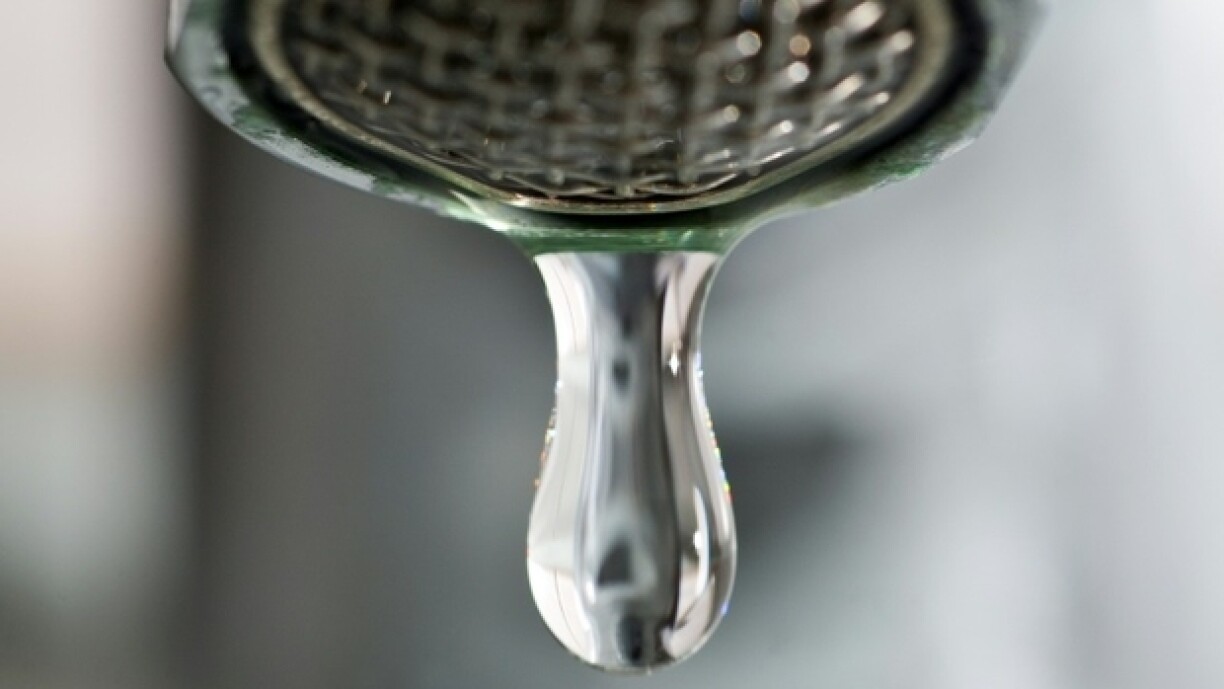
Prolonged dry weather has pushed water levels in parts of Luxembourg towards record lows, prompting authorities to ban the extraction of water from rivers, streams, and ponds, renewing calls for households to use drinking water sparingly.
Washing cars at home, excessively watering gardens, taking long showers, or leaving taps running unnecessarily should all be avoided until further notice.
Luxembourg is currently under a nationwide water alert, with the Water Management Administration appealing directly to residents to help prevent local supply shortages.
Marc Hans, director of the Water Management Administration, explained that while the national appeal is intended to reduce pressure on supplies, individual municipalities are responsible for providing drinking water to their residents. Should a municipality find that supply can no longer keep pace with demand, further measures can be introduced and the affected area may move into an orange alert phase, he said.
At that point, local regulations can be used to prohibit drinking water from being used for certain purposes.
An increasing number of municipalities are also using electronic systems to monitor water consumption, according to Emile Eicher, president of the Association of Luxembourg Cities and Municipalities (SYVICOL).
"In our municipality, for example, we can see how much water each household is using, whether consumption has increased, or whether there may be another problem", Eicher said, explaining that the technology is particularly useful for detecting leaks.
Residents can then be alerted. If a leak is ruled out and unusually high consumption turns out to be the result of someone filling a swimming pool with drinking water despite calls to conserve supplies, penalties may follow.
Under emergency municipal regulations, Eicher said, residents could face fines of up to €250.
Authorities are nevertheless hoping that common sense will prevail. Even a modest reduction in consumption across all households could have a significant effect.
"Households account for 60% of water consumption here in Luxembourg, so they are a major factor", Hans said. Large consumers also have a role to play, he added, with municipalities and intermunicipal bodies working with them to help ease pressure on supplies.
The repeated combination of drought and high temperatures is also putting increasing pressure on Luxembourg's rivers and other surface waters.
According to the Water Management Administration, the lack of rainfall has caused water levels to fall continuously, reaching levels typically associated with prolonged periods of drought.
"In some places, the situation is already more critical, and we are approaching record low-water levels", Hans said.
The situation is particularly concerning in rivers in the Oesling region in northern Luxembourg. High temperatures are also reducing oxygen levels in the water, worsening conditions for aquatic life.
As a result, extracting water from rivers, streams, and ponds remains prohibited across the country until further notice, with the exception of the Moselle.
Authorities are meanwhile continuing to urge residents to conserve drinking water, warning that lower consumption now could help prevent more serious local shortages and restrictions later.





