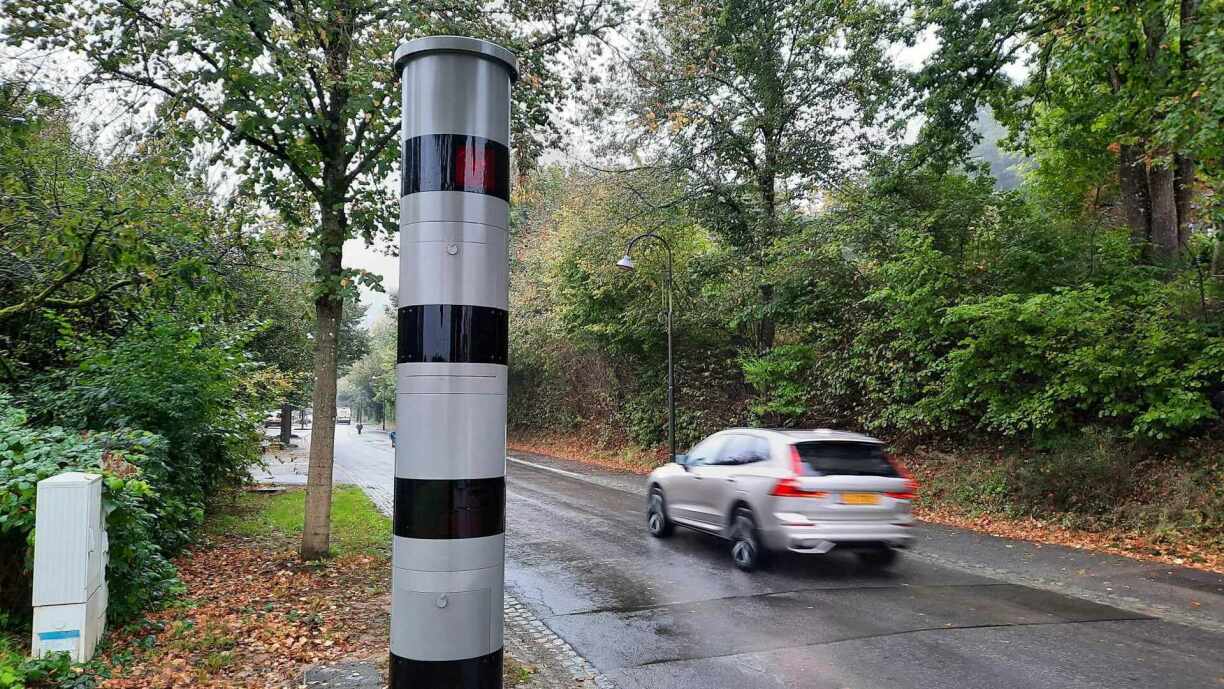
Whether at intersections such as Luxembourg City's Pulvermühl district, or high-traffic national roads such as the N12 in Saeul, where cross-border traffic passes daily, the Grand Duchy's speed cameras have been kept busy over the past year.
In 2023, speed camera infractions reached dizzying heights, flashing a whopping 352,389 times and triggering just as many taxed warning or speeding fines.
On Thursday, the interior and justice ministries published the figures in response to a parliamentary question filed by ADR MP Fred Keup, confirming an average of 965 fines were issued per day in 2023.
In 2022, over 320,000 motorists were caught speeding in Luxembourg.
The 2023 fines represent a total of €15,561,316 returning to state coffers, or a daily revenue of €42,633.
Luxembourg may issue speeding fines to vehicles registered abroad in any of the countries participating in the 'Cross Border Enforcement Directive', who have joined the European Car and Driving Licence Information System (CBE-EUCARIS). These include all EU Member States, and the United Kingdon.
When asked if the majority of fines issued to foreign vehicles are paid, the ministers said the payment rate was 84% for taxed warnings and 25% for fixed fines.
If a driver fails to pay a taxed warning, they receive a fixed fine. If the offence progresses to a report, it is subsequently passed on by police to the public prosecutor. The latter may then issue a penal order abroad.
"In both cases, the Registration and Domains Administration is responsible for recovery. If there is a problem with transmission abroad, the public prosecutor's office can contact their foreign counterparts to locate the person concerned and submit the file to them," explained the ministers.
Since speeding is a serious offence, it is "systematically the subject of prosecution" resulting in a "penal order" or even a summons to appear in court.





