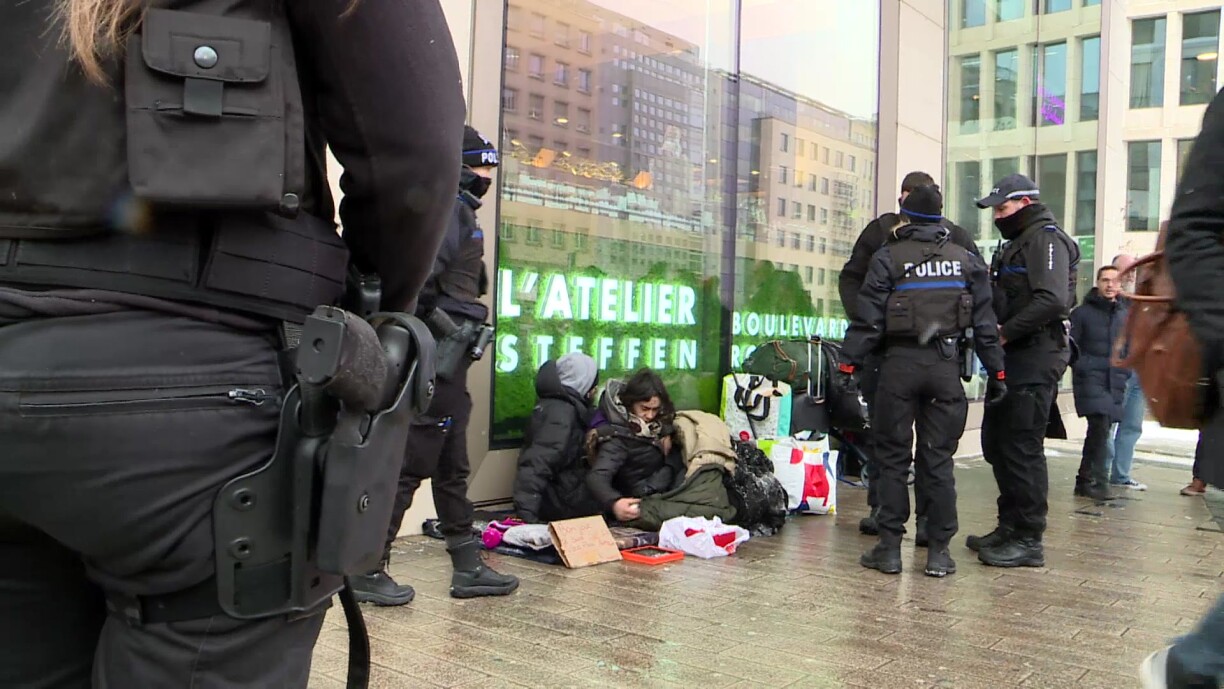
Named Liichtegoen fir d'Heescherten ("Candlemas in support of Beggars"), the protest has been organised by an independent association and has garnered support from various political and social entities.
Notable participants include the Independent Luxembourg Trade Union Confederation (OGBL), the Luxembourg Confederation of Christian Trade Unions (LCGB), as well as political parties like the Luxembourg Socialist Workers' Party (LSAP), the Green Party (déi Gréng), the Pirate Party, the Left Party (déi Lénk), and FOKUS.
Additionally, Doctors without Borders and the Human Rights Commission are endorsing the campaign.
Demonstrators plan to convene at Place Guillaume II at 5pm and then march symbolically in front of the Ministry of Home Affairs with a clear demand: the repeal of the begging ban.
Minister of Justice Elisabeth Margue confirmed on Thursday the government's intention to amend the criminal code within the year to provide legal clarity. While simple begging will not be prohibited nationally, municipalities will have the discretion to regulate it in different locations and at different times.
Until these changes are implemented, the current regulations in Luxembourg City will remain in force.
In recent reports by the newspaper Tageblatt, it was revealed that 176 police patrols from various regions of Luxembourg are currently on duty in Luxembourg City. They have been temporarily reassigned from other police stations to assist with enforcing the begging ban and implementing the public safety action plan.
This rotation is expected to continue until at least the end of February, with internal police expectations suggesting it could persist as long as Article 42 of the Luxembourg City police regulations, i.e., the begging ban, remains in effect.
And in case you missed it, there were circulating rumours, stemming from a satirical Facebook post, falsely claiming that the begging ban would prevent children from participating in Liichtmëssdag. This is, of course, not true.





