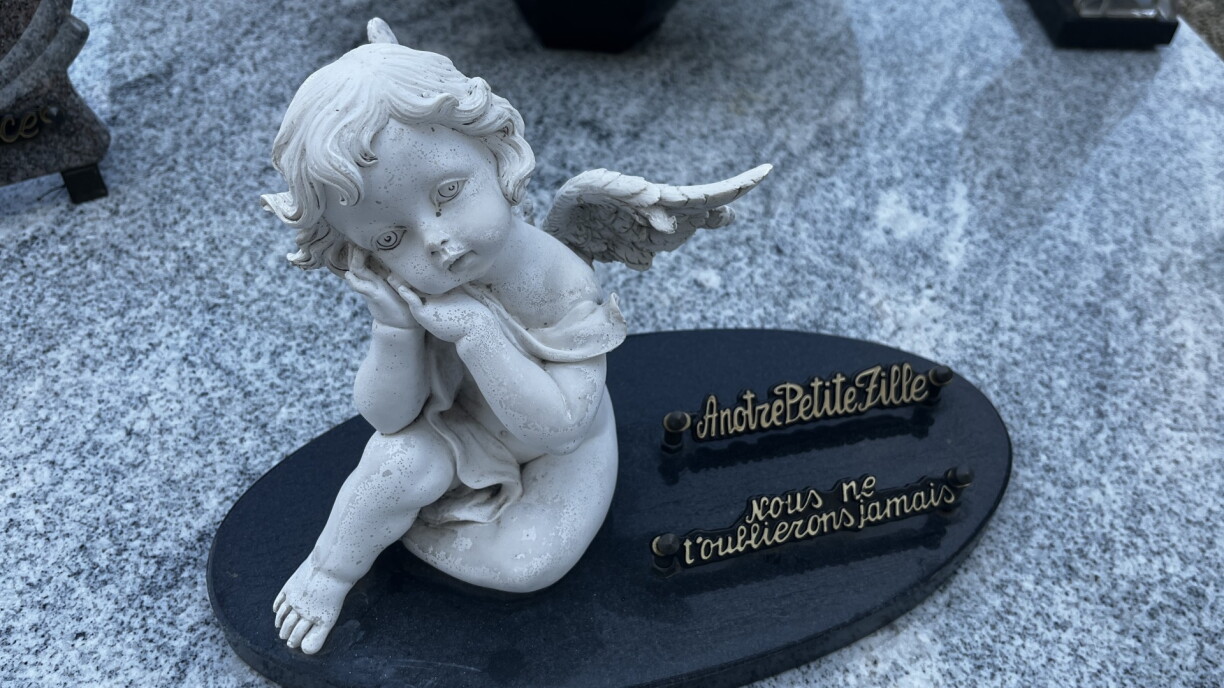
Laetitia Sutil remembers the day her daughter Gaïa was stillborn, as though it happened only yesterday. In January 2023, her daughter's heart suddenly stopped beating on the very day she was supposed to be born. "I had felt her moving in my belly just before. I simply could not believe it", Sutil recalls. "I thought it could not be true – it must be the machine that was malfunctioning." The most difficult moment, however, was having to tell her partner the unimaginable news. She shares that, instead of preparing for our child's arrival, they suddenly had to organise a funeral.
The loss of a child, no matter at what stage, is something no parent can ever truly prepare for. Despite receiving support from those around her, Sutil says the grief can leave parents feeling desperately alone.
Eight months after losing Gaïa, Sutil became pregnant again, but the hope was short-lived. She lost her son Gianni at 15 weeks. At the time, parents who experienced a miscarriage this early were not entitled to bereavement leave under Luxembourg law. Sutil and her partner had to take sick leave simply to have even a brief period to grieve in peace.
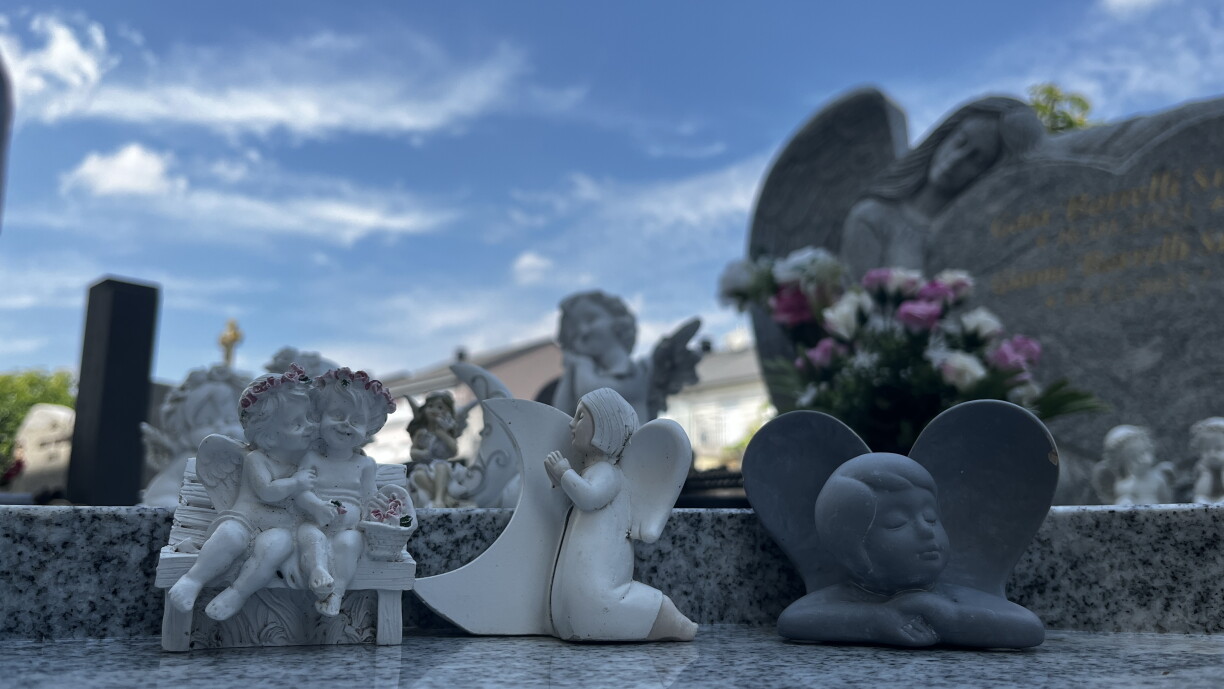
Currently, Luxembourg law only grants extraordinary bereavement leave if a baby dies after the 21st week of pregnancy. The Stärekanner Association, a non-profit organisation that supports bereaved families, argues that this is not right: families suffering earlier miscarriages also endure immense hardship and need the same support and recognition as any bereaved parent.
Martine Pinnel, president of Stärekanner, insists that parents must be given time to process their trauma, to arrange a funeral if necessary, and to access essential psychological support. The association also calls for greater recognition of fathers, who too often are left to grieve in silence when a baby dies before or shortly after birth. Recent cases have shown that fathers also need and deserve support during such devastating times.
Recently, the Stärekanner committee shared on social media the tragic death of a "Stärepapp" (a father who has lost a child), stating: "Sadly, he lost his battle with overwhelming grief." The message calls for urgent legal reform, asking politicians and the state to not only change the bereavement leave laws but also to provide financial and moral support to organisations like Stärekanner, so they can better help grieving parents.
After Gaïa's death, Sutil's partner was entitled to just three days of leave, something she describes as brutally inadequate. "He loved our child just as much and felt her movements through his hands", Sutil says. She believes the father's grief and role must be taken seriously.
Claire Delcourt, a Member of Parliament for the Luxembourg Socialist Workers' Party (LSAP), has raised urgent parliamentary questions, pressing the government to clarify when the long-awaited bill on extraordinary leave for parents affected by miscarriage will finally move forward. Although such reforms are included in the coalition agreement, nothing has yet been implemented. If there is still no progress by the autumn, the LSAP plans to table its own bill.
Beyond changing the law, there are many simple measures that could better support parents. For example, in maternity wards, a sign could be placed on the door of a "Stäremamm" (a bereaved mother) to alert staff and prevent awkward or painful comments. Empty baby cots in the room could be avoided, and at the municipal level, families should be better informed that stillborn children can be officially registered and buried or cremated as they choose.
For Sutil, breaking the taboo is essential: miscarriages, stillbirths, and the loss of a child should not be topics shrouded in silence. "Death is frightening. But it is part of life, and we need to talk about it", she insists.
By sharing her story, Sutil hopes to give a voice to all bereaved parents who often have to face their loss and trauma alone. Stärekanner ASBL continues its work to ensure that no one has to go through such grief in isolation and to urge politicians to act.





