
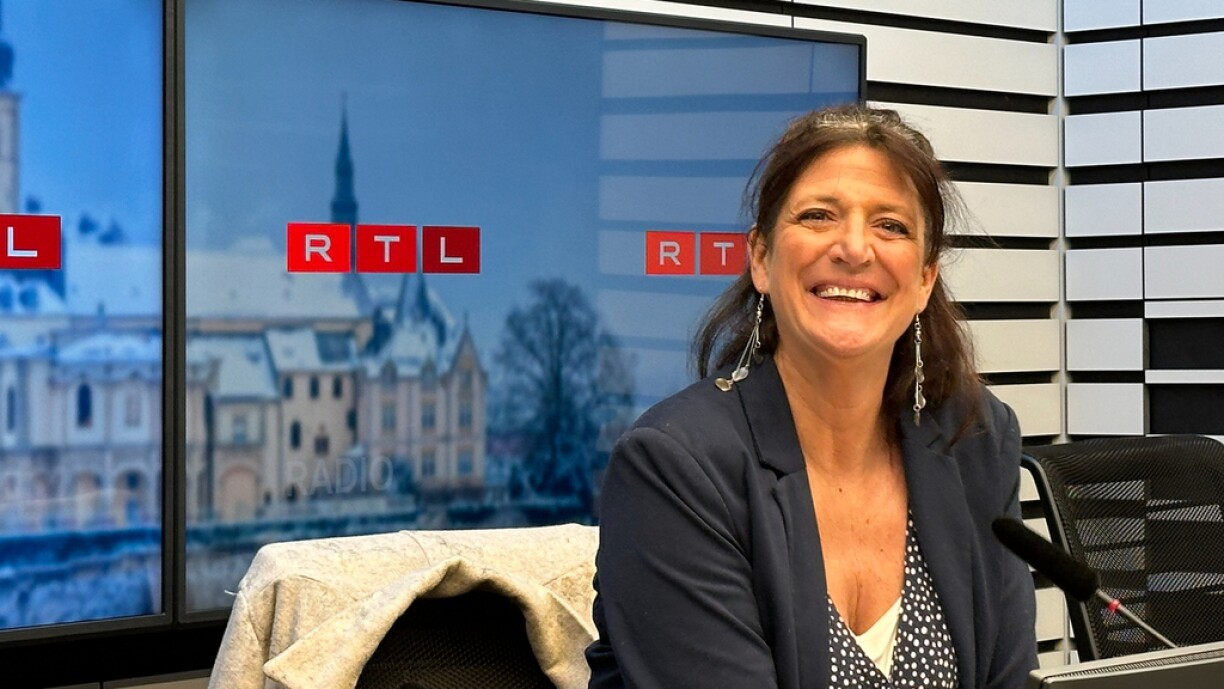
In an interview with our colleagues from RTL Radio on Wednesday morning, Alexandra Oxacelay, the association's director, highlighted this issue, stating "Our facilities are bursting at the seams."
In 2022, the non-profit distributed 449 meals per day, a figure that surged to 720 in 2023. The total number of meals distributed in 2023 reached 198,000, marking a staggering 191% increase compared to 2014.
Last week, Oxacelay featured in an ARTE report titled Arm im reichsten Land Europas ("Poor in Europe's Richest Country"). Since the report aired, she has received a lot of feedback on the subject and is delighted that more people are now aware of the problem. The report included footage of people sleeping in tents in Kirchberg, which Oxacelay acknowledged is not a new phenomenon. "What is new," she pointed out, "is that these people can now be found right in the city centre," a development by which she herself is surprised by.
Additionally, Oxacelay emphasised the need for more discourse on the notorious Cafészëmmeren (literally "bar rooms," basically furnished rooms), where people live "in disgraceful conditions," often in single rooms lacking basic amenities such as a kitchen, and at exorbitant prices. She underscored that poverty has seen a significant uptick since 2022, with the pandemic exacerbating the situation. For those already facing hardship, the crisis has only deepened their struggles.
Commenting on the begging ban in the capital, the director of Stëmm vun der Strooss ("Voice of the Street") stressed that such measures will not resolve the underlying issues. Beggars displaced by the ban are likely to migrate to neighbouring municipalities. Alexandra Oxacelay pointed out, "We find them again at petrol stations, we find them again in industrial zones, in supermarkets […] What alternative do they have?"
Oxacelay stressed the need for facilities that operate 24 hours a day and on weekends. While acknowledging the efforts of the municipality of Luxembourg City, she asserted that additional action is imperative. According to Oxacelay, "Other municipalities in the south and north of the country must also assume their responsibilities."
In public discourse, there is often a conflation of begging with homelessness. However, the director of the non-profit association clarified that these are distinct issues: "Just because you're homeless doesn't mean you're automatically going to beg."
The current government has made the fight against poverty one of its priorities. While Oxacelay acknowledged that some policymakers are actively engaging with grassroots organisations, she emphasised this goal must now be reflected in budget allocations. The non-profit requires financial assistance "to hire more staff and develop its infrastructure." While volunteer recruitment is not currently feasible, plans are underway to establish a framework in May, enabling volunteers to work at the food bank, as outlined by the director of Stëmm vun der Strooss.





