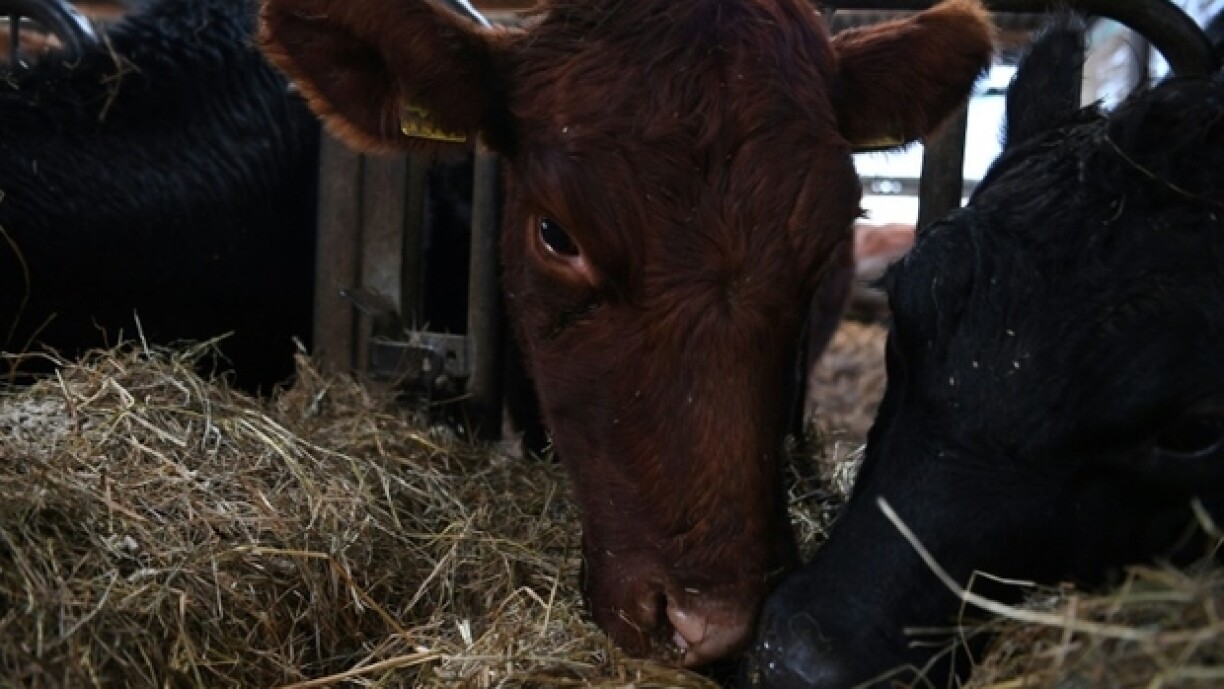
The coalition believes that reducing the country's cattle population will pave the way towards a more sustainable future. They therefore appeal to the Ministry of Agriculture, Viticulture and Rural Development to not underestimate the negative impact that dairy farming can have on the environment.
Thanks to the Grand Duchy's widespread grasslands, this particular sector was able to significantly grow in recent years. Nevertheless, many of the essential elements needed in the supply chain still have to be imported from other countries.
Raymond Aendekerk from "Meng Landwirtschaft" commented: "We rely on foreign sources to import fertilisers, which we need to grow our corn crops so that we can feed our animals."
The coalition argues that farmers need to be supported while they reorient their businesses. Aendekerk noted that plant-based farming should be increased, given that the country failed to expand the production of seeds, beans, oleiferous fruit, or vegetables in recent decades. He believes that the sector should be able to cover the needs of the population. Nevertheless, for that to happen in a sustainable way, meat and dairy consumption both have to be reduced.
It remains unclear at this stage whether such a trend can occur and by how much consumption needs to be reduced. "Meng Landwirtschaft" believes that attempts still have to be made, starting with a reduction of the country's cattle population. The coalition thus hopes that each state will still have the ability to make individual adjustments once the EU agriculture reform is passed, so that the sector can become more sustainable and resilient.





