The head of ArcelorMittal France, Alain Le Grix de la Salle, recently warned that all European steel manufacturing sites could face closure as early as 2025 without urgent intervention. Speaking at a parliamentary hearing in Paris on 22 January, he stated, "The steel industry in Europe is in crisis […] the sites, whichever they are, are all at risk in Europe and therefore in France too."
During ArcelorMittal's New Year reception at its Luxembourg headquarters, our colleagues from RTL Télé enquired about the implications for the Grand Duchy, where the company employs 3,450 people.
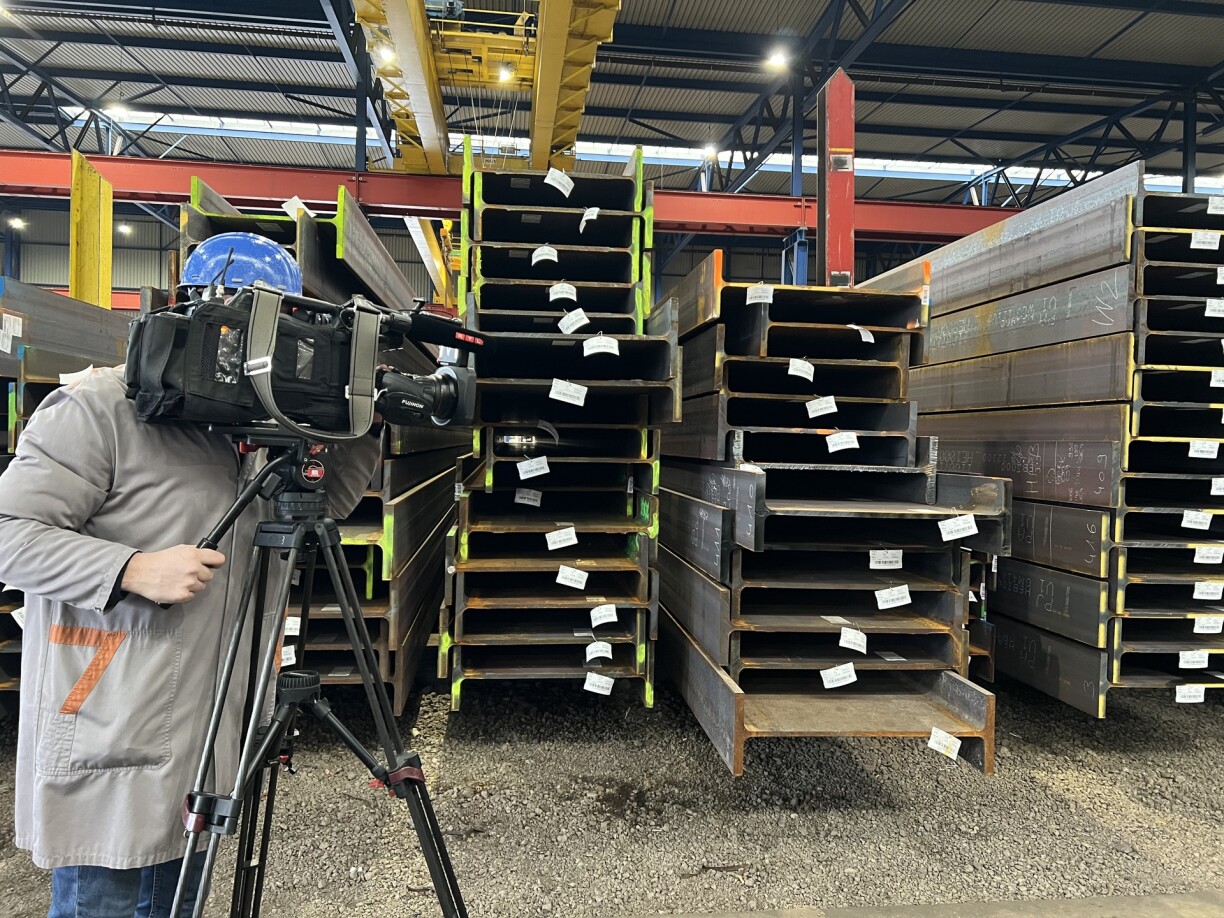
Luxembourg's steel industry benefits from its specialisation in niche products and a relatively stable market. Each year, 230,000 tonnes of beams are shipped from the Niederkorn logistics centre to European markets, primarily for pre-funded projects. The Rodange foundry, for instance, supplies rails for nearly every tram system in Europe.
Additionally, Luxembourg is a key producer of sheet piling, used in constructing steel walls for infrastructure such as dykes. According to Henri Reding, ArcelorMittal Luxembourg's country manager, the company's expertise in these areas gives it a competitive edge, allowing it to command necessary prices in markets with limited competition.
However, this advantage may only last for a limited time.
Luxembourg's share of global steel production has significantly decreased over the decades. Today, the Grand Duchy produces one tonne of steel for every 1,000 tonnes globally, compared to one in every 100 tonnes during the 1960s. This decline reflects a broader crisis in Europe's metallurgical sector, where production has halved over the past decade.
Europe now imports more steel than it exports, despite its factories operating below full capacity. Reding highlighted the impact of cheap Chinese imports, which flood the European market due to China's overcapacity of 100 million tonnes. These imports not only dominate the market but also displace other steel producers.
European steelmakers face additional challenges, including rising CO2 taxes. "No industry can cope anymore," Reding warned.
High energy prices further exacerbate the situation, with costs in Europe four to five times higher than in other regions. Uncertainty about future energy price trends adds another layer of difficulty for the sector.
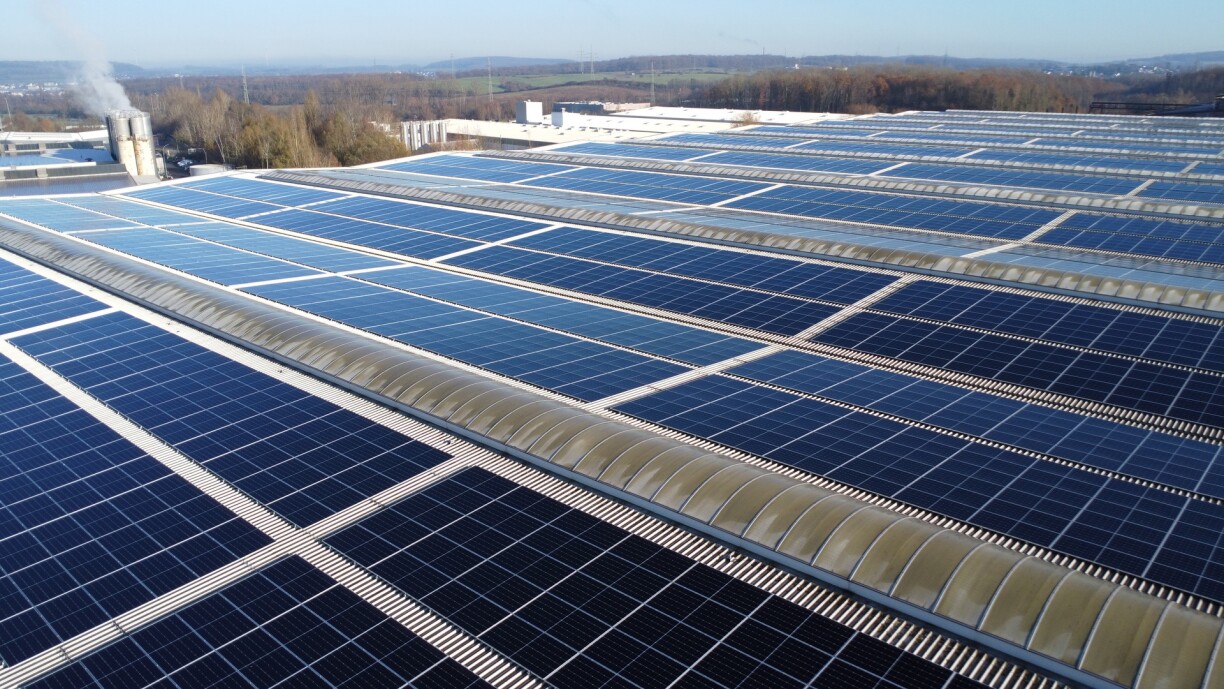
To mitigate energy costs, ArcelorMittal Luxembourg has installed more than 8,000 solar panels on the roof of its logistics centre in Niederkorn. These panels generate a maximum capacity of five megawatts per day, enough to power the logistics centre and a significant portion of the internal grid, according to centre manager Fred Weissenburger.
However, this renewable energy output falls far short of the demands of steel production. Operating an electric blast furnace, for example, requires around 150 megawatts per day–far beyond the current capacity of the solar installation.





