One third of Luxembourg’s territory is covered by forests, yet many of these woodlands are in poor condition, according to the Nature and Forest Agency and the Luxembourg Institute of Science and Technology. A major contributing factor is the prolonged exposure of trees to various stressors. In response, the FORLUX project, launched in cooperation with the Ministry of the Environment and the City of Luxembourg, aims to assess and improve forest resilience for the future.
Forests play an essential role in regulating CO2 and water, filtering air and water, and offering spaces for tranquillity. However, they can only fulfil these roles when in good health.
In Luxembourg, over 50% of forests are currently in poor condition, primarily due to the impacts of climate change.
Environment Minister Serge Wilmes emphasised the importance of studies like FORLUX, underscoring the need to understand the impact of climate change on forests. He noted that such research is vital for improved forest management and for ensuring their resilience in the future, particularly in the ongoing fight against climate change, where forests play an even more critical role.
"We simply need to take care of our forests," Wilmes said.


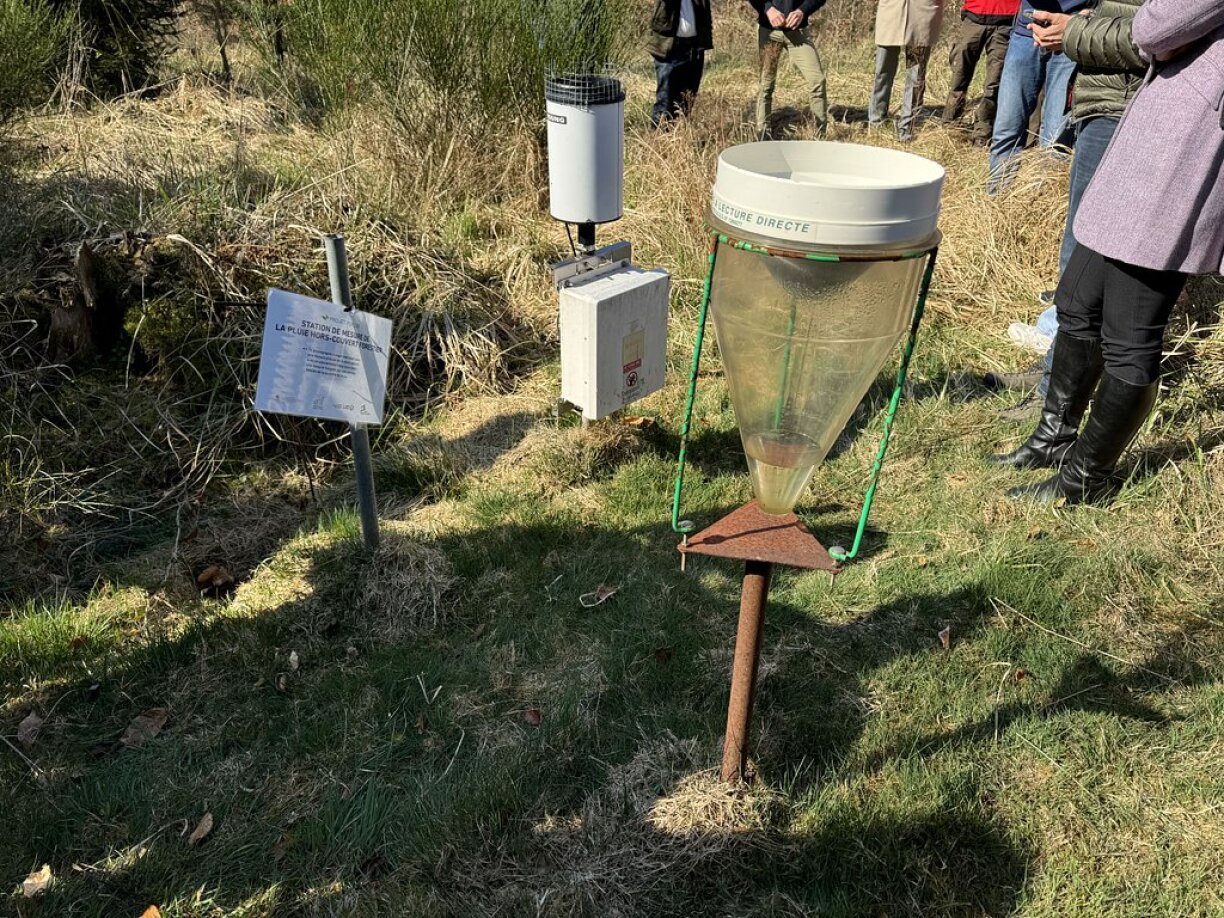
At the Bambësch site, researchers are collecting data using measurement stations and infrared cameras to monitor rainfall, soil moisture, and drought stress levels in trees.
Stanislaus Schymansky from LIST explained that drought stress happens when trees can't access enough water, leading to overheating as they can no longer cool through evaporation. He pointed out that, as seen two years ago, this results in widespread leaf drop, yellowing, and damage to the trees, which can eventually cause entire forest areas to die if it occurs repeatedly.
Initial results from the research project have already been surprising: Large trees, particularly older beeches, appear to suffer the most stress, despite having deeper roots and greater water storage capacity. Schymansky continued, "We've seen a few small trees die, but overall, it’s the large trees, especially beeches over a certain age, that are increasingly stressed and, in some cases, dying. We don’t yet understand why, as they should be more resilient."
To prepare for future environmental conditions, researchers are exploring the crossbreeding of Luxembourg’s native species with trees from southern climates. Michel Leytem, director of the Nature and Forest Agency, highlighted the importance of testing these genetic variants, such as beeches from southern France or northern Italy, to ensure their suitability for Luxembourg’s evolving climate.
A future forest will be planted in the Hamm area to assess which tree species are best suited to the changing climatic conditions, according to Leytem.
The potential reintroduction of species once native to Luxembourg is also under consideration, though foreign species could introduce pests, presenting another challenge.
Alongside climate change, excessive wildlife populations are another threat to the regeneration of forests. Minister Wilmes stressed the need to manage the population of wild animals in forests, which hinder natural forest regeneration. Working groups will develop concrete measures for forest management, which will be presented before the summer.
Efforts to reintroduce species once native to Luxembourg are being considered, though the introduction of completely foreign species could pose a risk, as it may bring in pests from abroad.
Environmental Minister Serge Wilmes highlighted the growing concern over the impact of warmer temperatures and a decrease in wildlife in Luxembourg's forests. He explained that the presence of wildlife is hindering the natural regeneration of the forests. In response, the Ministry, in collaboration with various stakeholders, is working on concrete measures to address these issues. These measures are expected to be presented in working groups before the summer.
Historically, a significant portion of the high-quality wood owned by the state or municipalities was exported, particularly to China. However, Serge Wilmes indicates that this trend is expected to shift.
The government is collaborating with various stakeholders in the timber sector, including a dedicated wood cluster, to ensure that more valuable wood stays within Luxembourg. The aim is to process the wood locally into furniture, build houses and roofs that also store CO2, and even use it for energy production or as mulch, ensuring that every part of the wood is utilised.
In future timber tenders, regional factors will play a larger role alongside the financial bid. Although the results from the FORLUX project may take several years to materialise, its long-term impact on forest management and climate resilience is expected to be significant.
To further engage the public with the forest and its many facets, Maurice Bauer, Luxembourg City's alderman, announced the development of a visitor centre in one of the city’s forests. This initiative aims to increase awareness and appreciation of the natural environment among local residents and visitors alike.





