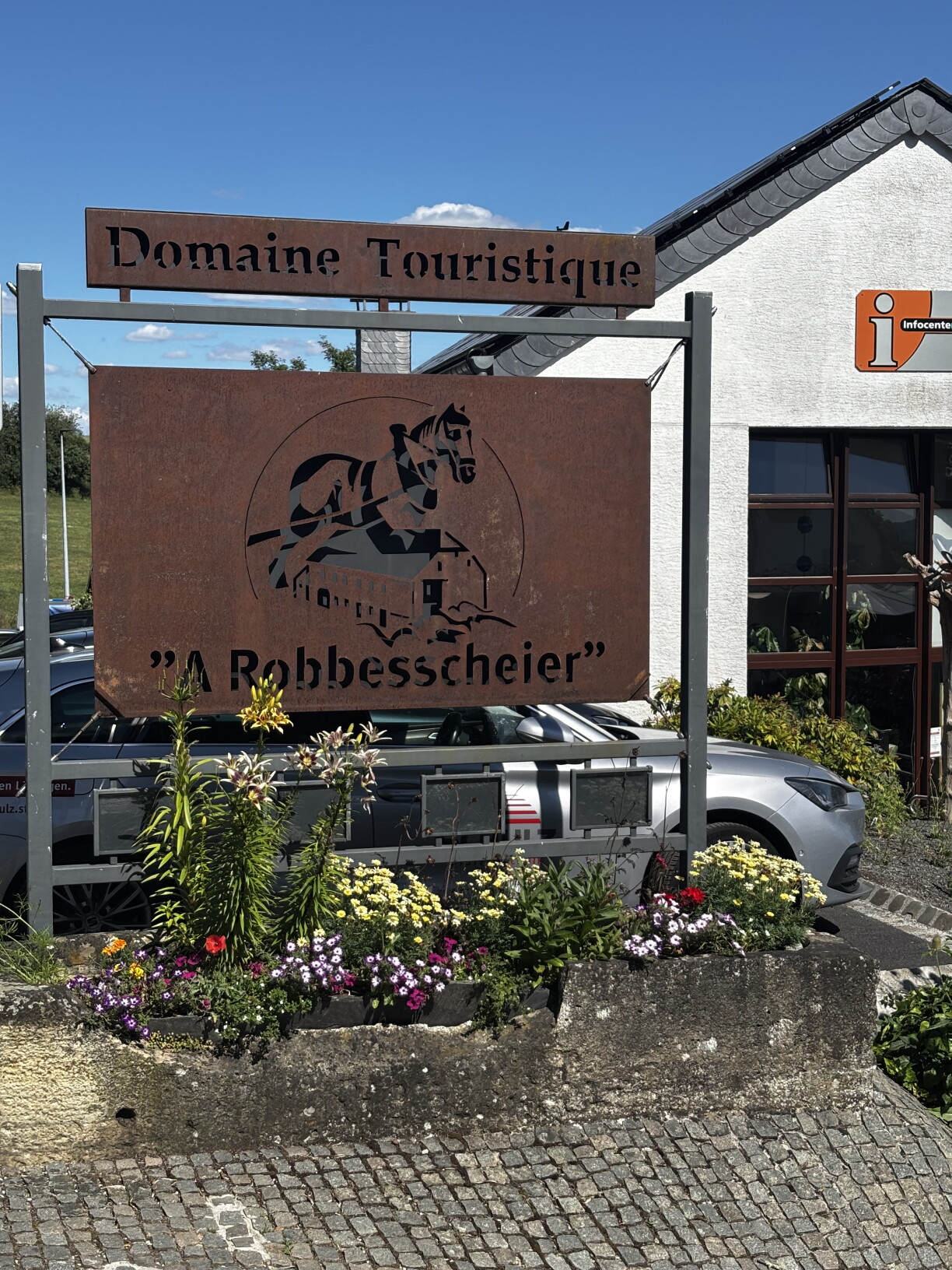
The nature centre Robbesscheier in Munshausen is preparing for the future with an ambitious project designed to make the entire site energy self-sufficient.
Through the Nohalteg Robbesscheier (sustainable Robbescheier) initiative, the open-air centre aims to show how tradition and innovation can work together. Despite its rustic appearance, the site can already generate enough electricity to cover its own needs and potentially support up to 400 additional people.
The project is based largely on newly installed photovoltaic panels. Laura Fretz, president of the Clervaux Tourist Centre, explained that most of the solar installations are now operational and already supplying power to the site.
The long-term objective is for the Robbesscheier to operate entirely independently of the electricity grid in the event of a major power cut, Fretz said.
She explained that a combined heat and power unit is still due to be delivered in the coming weeks. Fuelled by wood chips, it will allow the site to continue producing energy during the winter, when lower levels of sunshine make it more difficult to rely on solar power alone, Fretz added.
Reaching this level of independence has also required substantial work on the site's infrastructure. In keeping with the Robbesscheier's traditional character, its working horses helped lay more than three kilometres of underground electricity cables.


The centre's approach to sustainability extends beyond environmental measures. Jean Zeches, director of the Clervaux Tourist Centre, said the project also brings together social, economic, and educational considerations.
He highlighted cooperation with local businesses, the use of regional products in the site's kitchen, and the centre's work in non-formal education.
"I think that is the future: connecting everything, working together and involving other local stakeholder", Zeches said. "That is what makes us resilient and what makes a region more resilient, bringing different elements together and linking them."
The Environment Ministry has extended the project's funding agreement until 2028, providing greater long-term security for its continued development.





