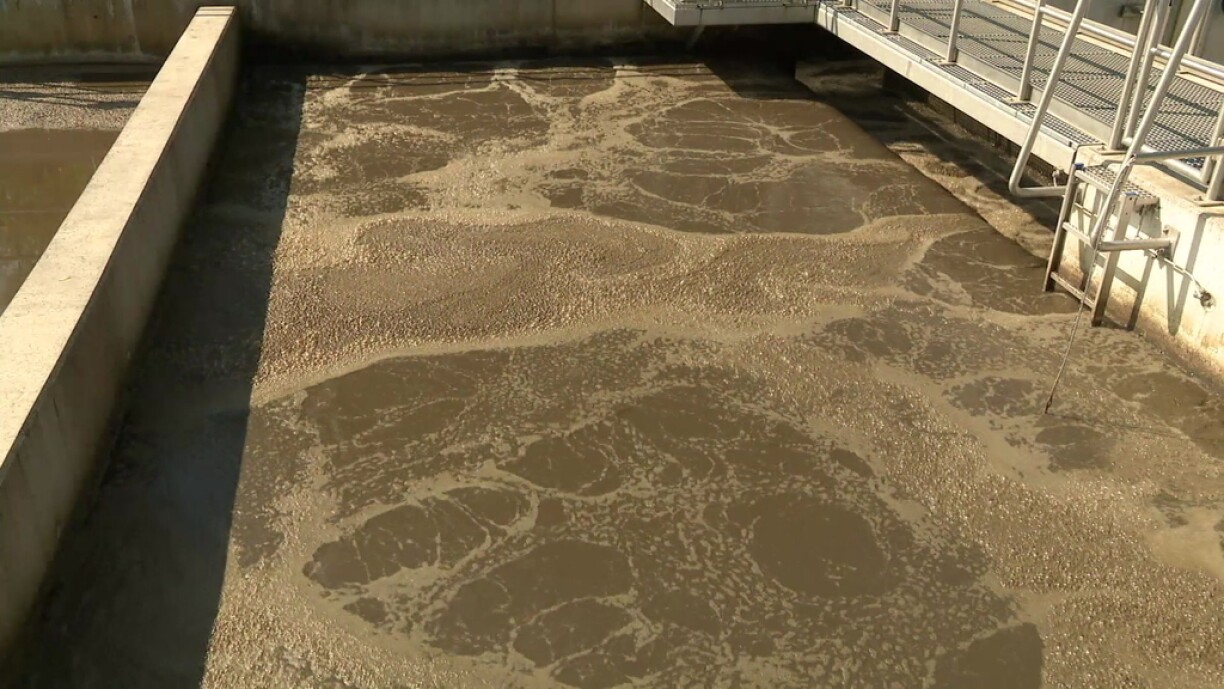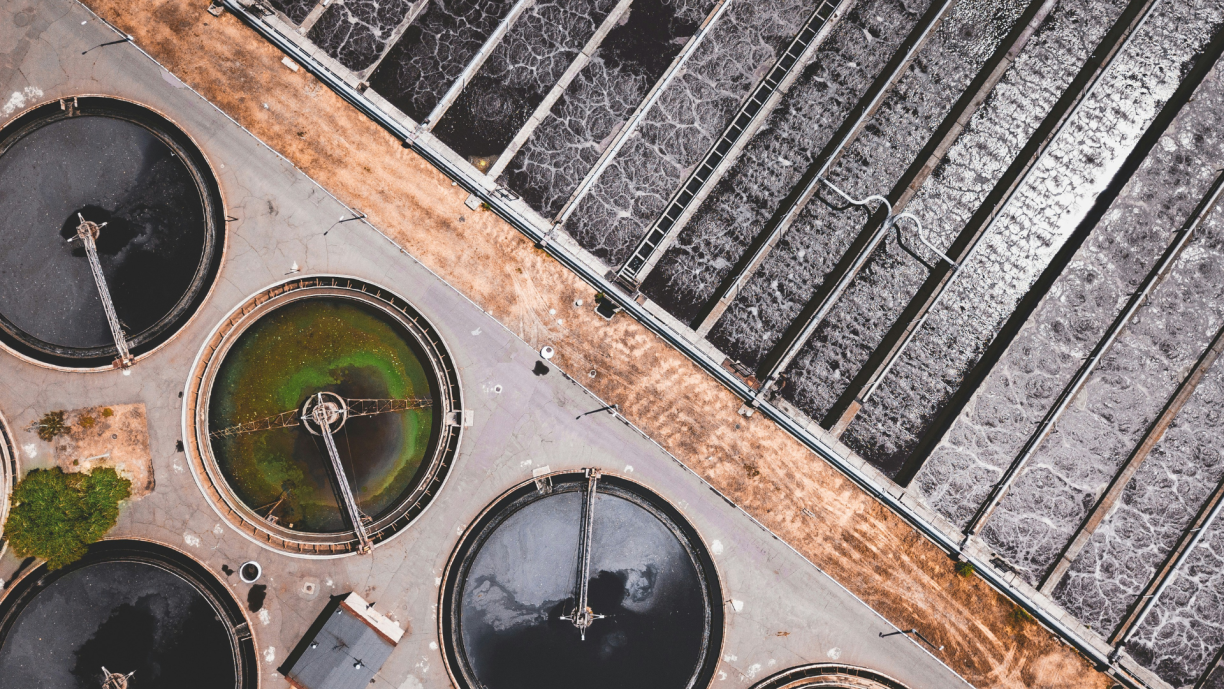
The analysis focused on the presence of narcotics, namely cocaine, ecstasy, amphetamines, methamphetamine, ketamine, and cannabis, in wastewater samples collected.
Results indicated the prevalence of various substances across the majority of towns studied. Concentrations of narcotics were also observed at the Mamer, Mersch, and Boevange wastewater treatment plants in Luxembourg. These sites were specifically selected for their adherence to approved sampling protocols, ensuring maximum data reliability.
In response to enquiries from MPs Mars Di Bartolomeo and Dan Biancalana of the Luxembourg Socialist Workers' Party (LSAP), Minister of Health and Social Security Martine Deprez provided insights, stating, "All substances under scrutiny were detected at least once in 2023 across all selected stations, with marginal discrepancies observed among the three stations."
Further elaborating, the minister highlighted, "Concentration values in Luxembourg, on average, trend lower for amphetamines, methamphetamine, and ketamine, remain consistent for ecstasy and cocaine, and register higher levels for cannabis compared to the European averages."
It is worth noting that following the enactment of the new law in July 2023, average and median measurements for cannabis at the Mamer, Mersch, and Boevange stations slightly decreased compared to pre-legislation levels.