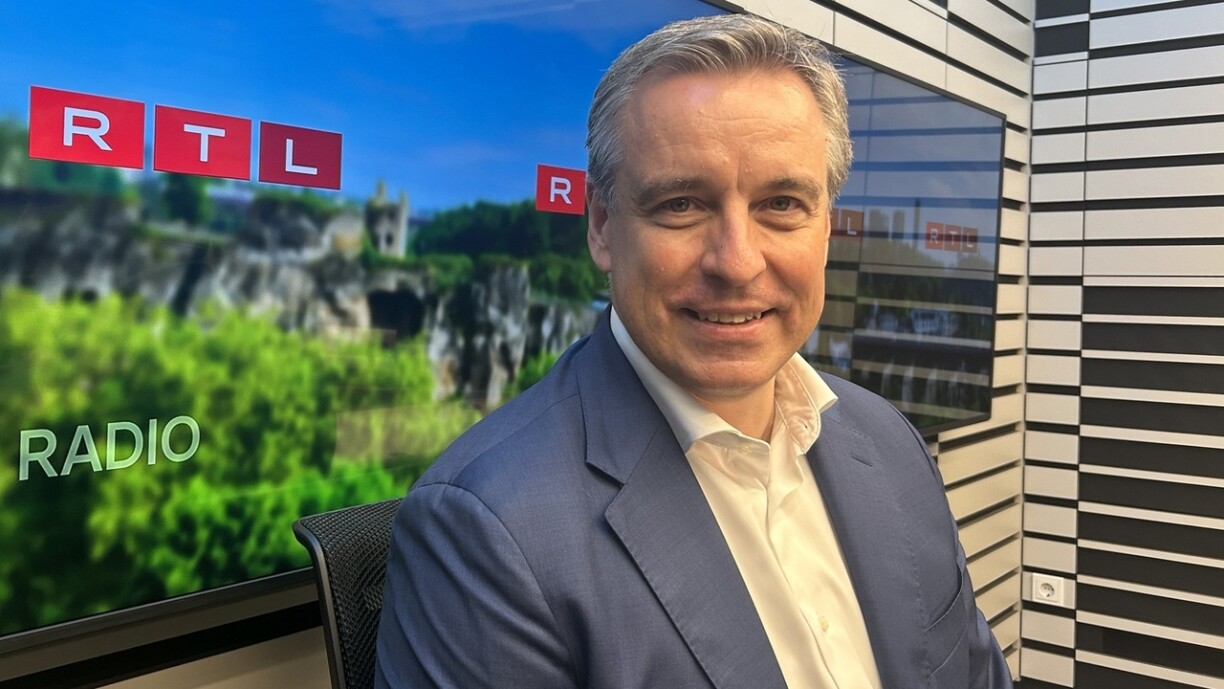
Minister of Education Claude Meisch has announced plans for sweeping reforms to Luxembourg's education system, citing the need to better reflect the country's linguistic diversity.
Speaking on Tuesday to RTL Radio, Meisch noted that while the current system was designed for a primarily Luxembourgish-German student population, today only one-third of children speak these languages at home while two-thirds speak another language.
The minister believes Luxembourg needs to adapt its school system to better reflect the diversity of the school and student population by offering concrete programmes, particularly for French and Portuguese speakers.
A key reform will introduce nationwide French literacy instruction starting in Cycle 1.2 (the second pre-school year) beginning in the 2026/2027 academic year. The programme will expand progressively through primary education by 2032.
The initiative will require approximately 150 additional classrooms and teachers – a challenge the minister acknowledges but considers essential for educational equity. "Luxembourgish students will maintain German literacy instruction", Meisch clarified, "while others will gain critical skills for academic success".
Preparations are underway, with 25% of primary teachers already trained for the programme. However, significant work remains, including developing new teaching materials. The minister also proposed teaching more minor school subjects in Luxembourgish.
While French remains the primary language of instruction in classical secondary education – with all upper-year subjects taught exclusively in French – Minister Meisch acknowledged growing concerns about this approach. "These are legitimate questions", he stated when asked whether German or English might supplement French instruction.
The minister highlighted the dilemma facing students who demonstrate academic potential but struggle with French proficiency. "We cannot stand idly by", Meisch said, indicating potential reforms in coming years.
Alternative options currently exist through Public European Schools, though demand far outstrips capacity – 1,200 applications were received for just 300 places at the Differdange/Esch campus. German-language tracks could also be an option for Luxembourgish students facing French-language challenges, Meisch suggested.
The ministry will maintain its "Screen-Life-Balance" initiative for the 2024/2025 academic year, promoting reduced screen time and increased physical activity.
Starting September 2025, first-year students in secondary education will gain an additional hour of PE weekly, with the programme expanding to second-year students in 2026.
Regarding smartphone use, schools have implemented varied approaches beyond the ministry's baseline requirement of physically removing phones during lessons. Six of Luxembourg's 38 secondary schools have enacted complete bans, while others have developed customised solutions.
"Feedback from teachers and students has been overwhelmingly positive", according to Minister Meisch.





