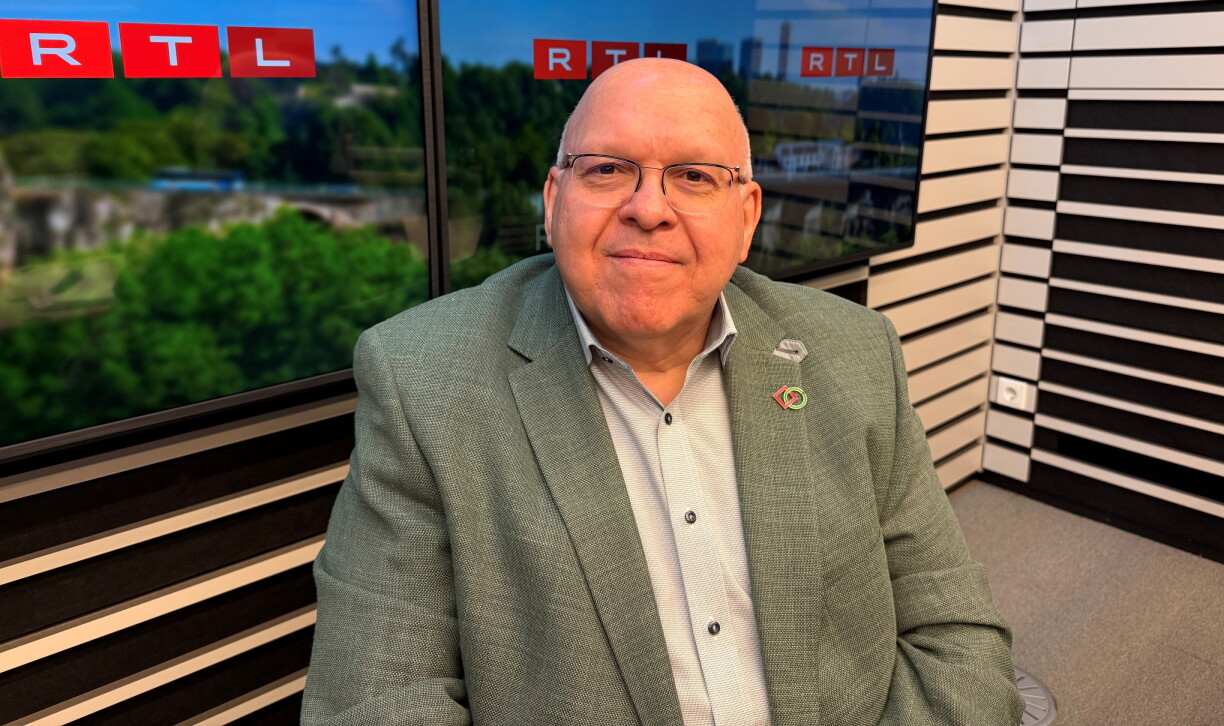
Speaking as RTL's editorial guest after the first day of talks between the government, employers and trade unions, President of the Luxembourg Confederation of Christian Trade Unions (LCGB) Patrick Dury described discussions as "very constructive". While he welcomed the positive atmosphere, he stressed that the success of the Tripartite would ultimately depend on whether the negotiations produce concrete results.
The main issues on the table are measures to curb inflation and protect household purchasing power. While Dury could not disclose details of the ongoing negotiations, he explained that discussions are focused on finding ways to slow inflation and prevent further triggering of automatic wage indexation. Mechanisms previously used, such as capping energy prices, have been referenced in talks.
Raising the minimum wage remains a key demand for trade unions. Dury pointed out that according to European guidelines, Luxembourg's minimum wage needs to be adjusted. While unions and the government differ on the calculation method, the union alliance is calling for a €300 increase. However, Dury clarified that unions are not insisting on immediate implementation; rather, they want to discuss a timeline for achieving this increase – a conversation yet to materialise. While action on the minimum wage is still seen as necessary, it is no longer a non-negotiable "red line" for the unions, he said.
Safeguarding people's livelihoods remains a top priority for trade unions, Dury stressed. Given that unemployment in Luxembourg tends to rise after every crisis, and that it is currently "too high for our country", he reiterated the need for a redeployment unit which would allow affected employees to receive 100% of their previous salary for six months.
This would facilitate retraining and continued participation in the workforce, rather than forcing people into unemployment. According to Dury, unions believe supporting workers through training and active engagement is a better solution than leaving them dependent on long-term benefits.
Beyond the current economic situation, Dury also flagged the challenges posed by artificial intelligence. The LCGB President explained that rather than the immediate job losses, the union is much more concerned about the long-term transformation of the working world. He called for investment in employee training and insisted that staff representatives should be included in this process.
Addressing criticism that unions have been too confrontational in recent months and have hampered negotiations with rigid "red lines", Dury argued that Luxembourg's unions are "capable of learning". He said unions have had to invest considerable energy in defending their rights and countering measures they saw as attacks on union prerogatives.
By comparison, Dury noted, the situation in Luxembourg remains calm, while Belgium continues to experience spontaneous strikes and Portugal faces a general strike. On the contrary, Luxembourg’s unions have so far relied on demonstrations, without disrupting the public or essential services.
Asked what the Tripartite should ultimately deliver, Dury called for a comprehensive compromise. In addition to concrete measures, he said it is crucial to strengthen the social dialogue between government, employers, and unions. He concluded that they cannot keep moving forward in an "atmosphere of confrontation".





