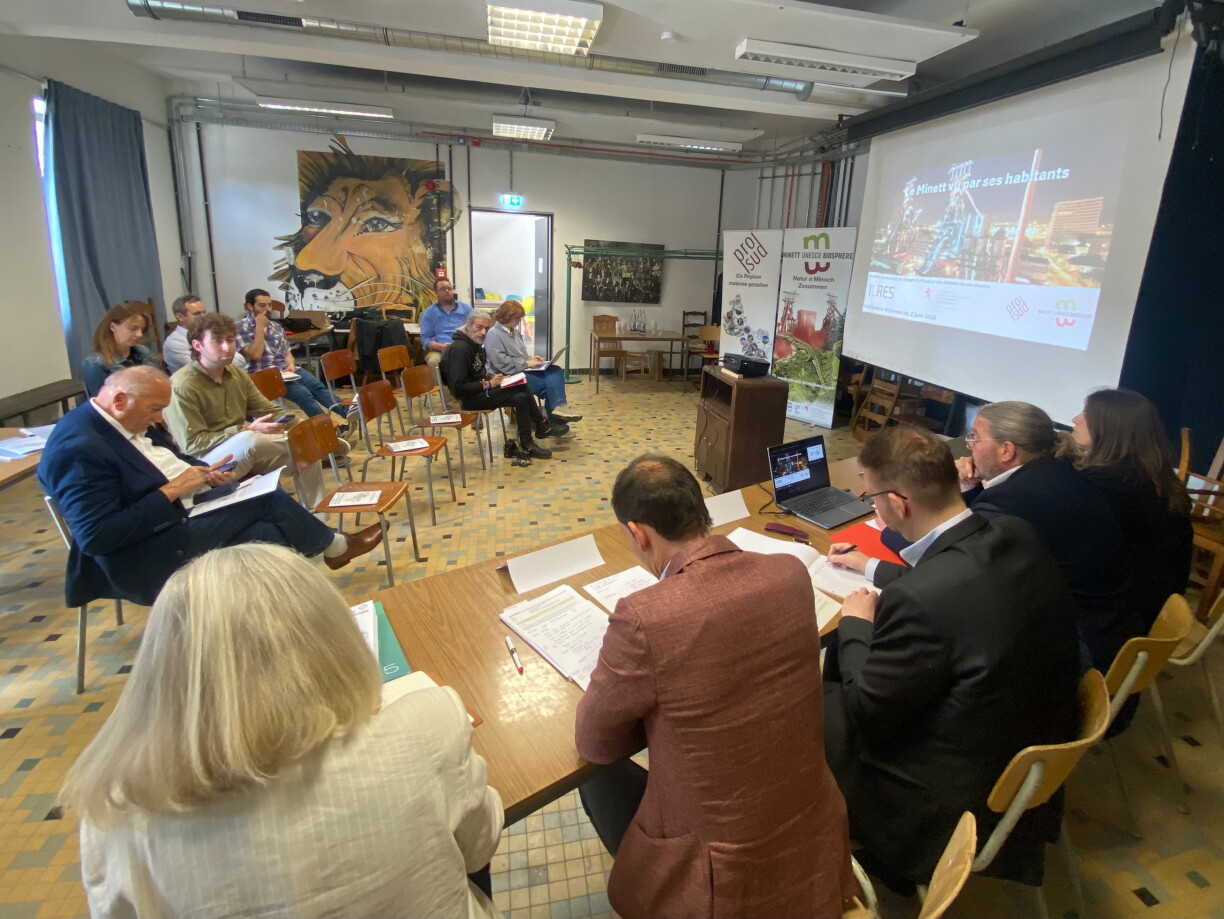
A recent representative survey aimed to assess how residents perceive their region, evaluate their quality of life in the Minett, and what they expect for the south of Luxembourg in the future.
The results indicate a pronounced sense of belonging: eighty-six percent of respondents have lived in the Minett for more than ten years, or have always called the region home. In addition, seventy-nine percent rate the quality of life in the area positively.
Christian Weis, President of the PRO-SUD Syndicate, views these findings as a solid foundation for the region's future development. "I am actually very satisfied with the results of the survey," Weis explained.
“There is a lot of confirmation here. It shows, for instance, that people in the Minett are proud of their region, that they like living here – nearly eighty percent are happy with the quality of life they enjoy. The vast majority would recommend the region to others. People who live here tend to stay here. There is a high level of satisfaction. However, the Minett also has high expectations; residents want to see better cooperation and ongoing improvements."
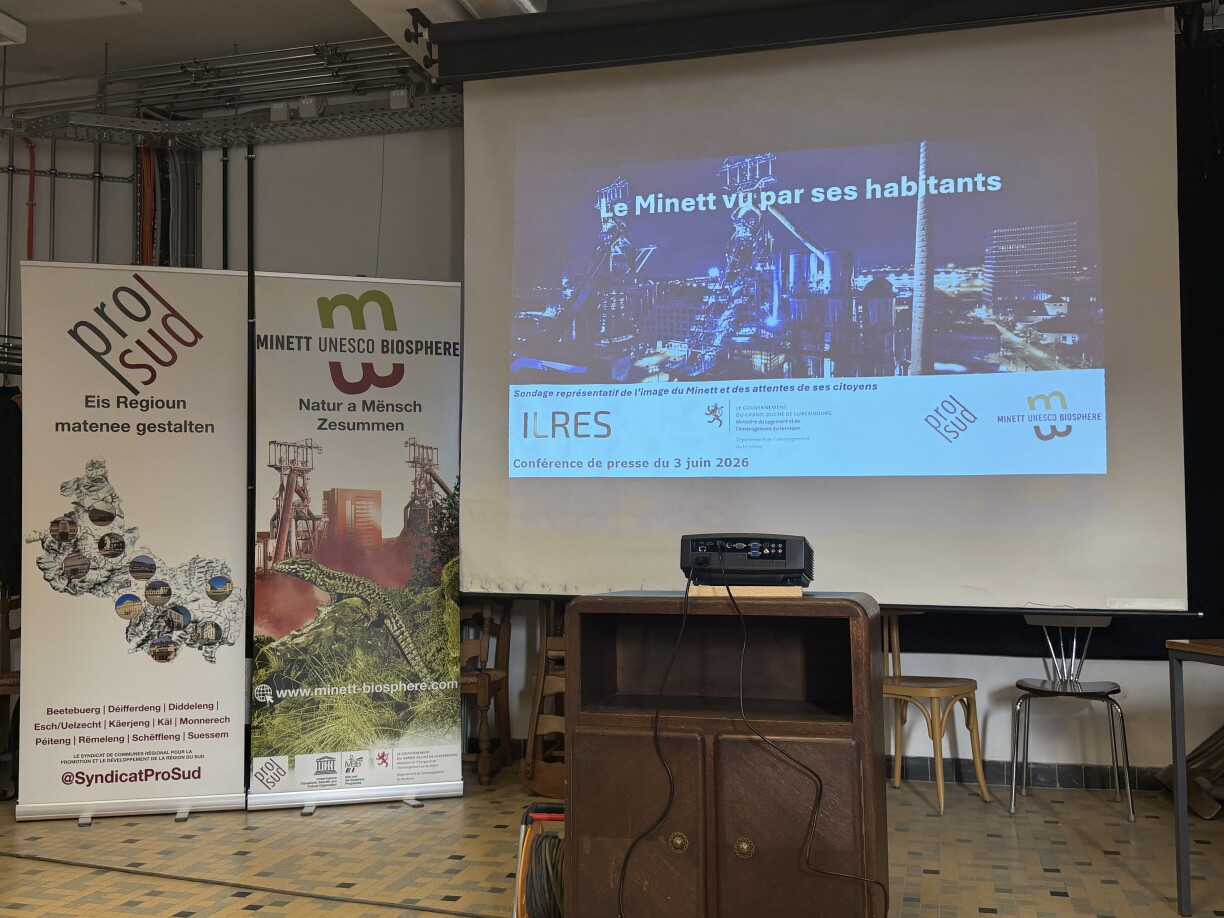
Despite the overall satisfaction, the survey also makes it clear that people in the Minett have concrete expectations for the development of their region. Many see room for improvement in environmental protection, climate adaptation, housing, and mobility.
For example, eighty-four percent consider the expansion and protection of green spaces a top priority. Residents also see adapting cities to climate change – addressing challenges such as heatwaves, drought, or flooding – as an important issue for the years ahead.
Housing remains another major topic. Although the majority are content with their current living situation, affordable housing is seen as a pressing priority by eighty-three percent of respondents.
Mobility is also a concern. While most residents give positive marks to public transport, the car remains the dominant means of transport. Looking ahead, many hope for easier transitions between different modes of transport.
"We are integrating new strategies with those already in place," Weis continued. "Our aim is to push forward with the territorial vision and the biosphere strategy, and to advance our decarbonisation programme for the south. The challenges are clear, and now it is a matter of translating them into concrete measures."
The PRO-SUD Syndicate, comprising eleven municipalities from the south, plays a crucial coordinating role. The organisation works on cross-municipality strategies and development concepts for the region, aiming to bring together local needs with a unified regional vision.
This joined-up approach is seen as essential for facing large-scale challenges such as climate adaptation, mobility, and spatial planning. The next major step will be to translate the survey results into tangible actions – a point also emphasised by Dudelange mayor Dan Biancalana.
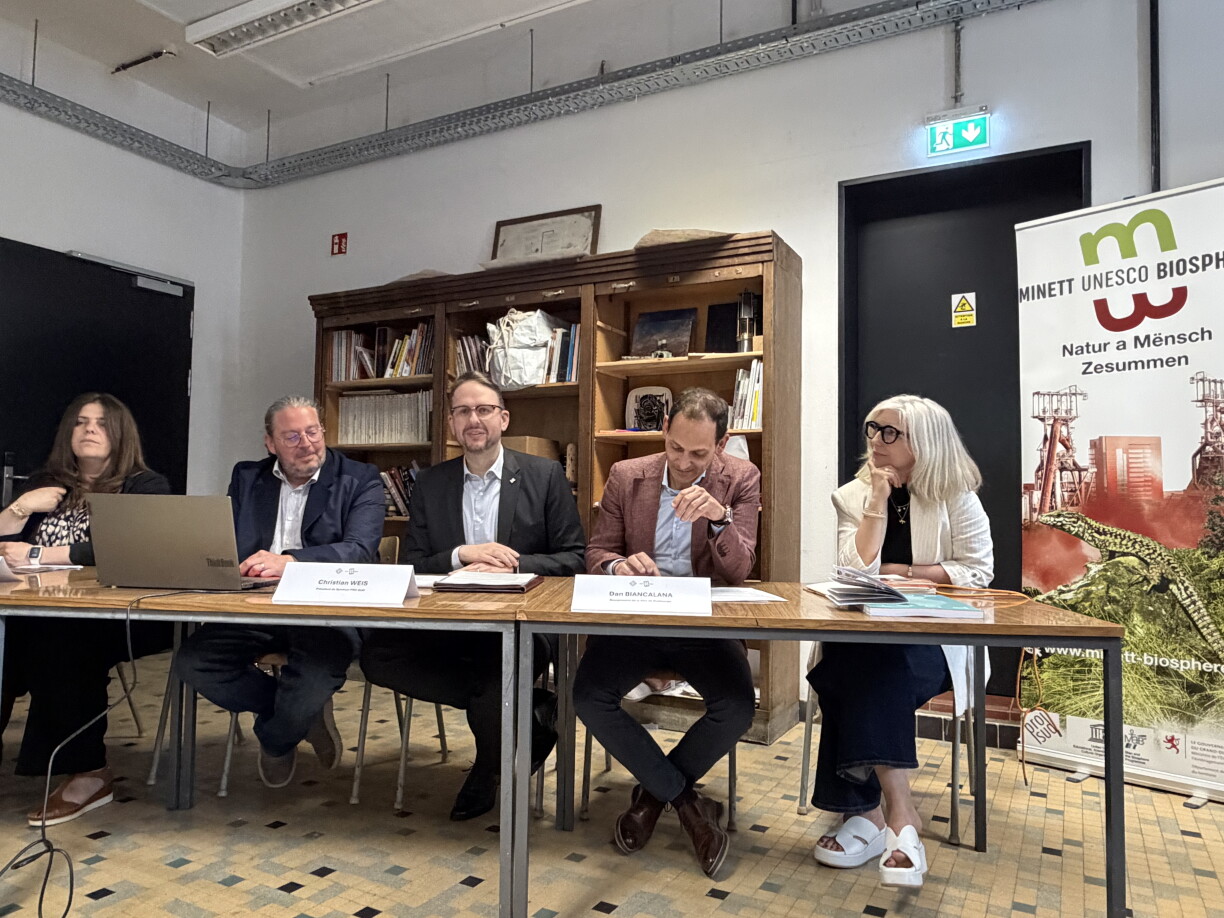
"In the context of PRO-SUD and regional planning, we are working with all eleven municipalities – and, in some cases, with the Ministry as a partner – to clarify which instruments we can use to put the survey's findings into practice, both in the medium and long term. PRO-SUD's advantage is that it offers a broad, regional perspective while also accommodating local priorities. These two approaches complement each other, so it is important that we define and implement them together," Biancalana noted.
The survey's results are already being followed up. Last weekend, residents were invited to a regional forum where they could actively participate in discussions about the Minett's future.
Insights from these discussions will be incorporated into a new territorial cooperation agreement between the State and the PRO-SUD Syndicate.
The aim is to foster more sustainable and citizen-focused development in the Minett in the years ahead.





