Here are five things you should know at the end of this week:

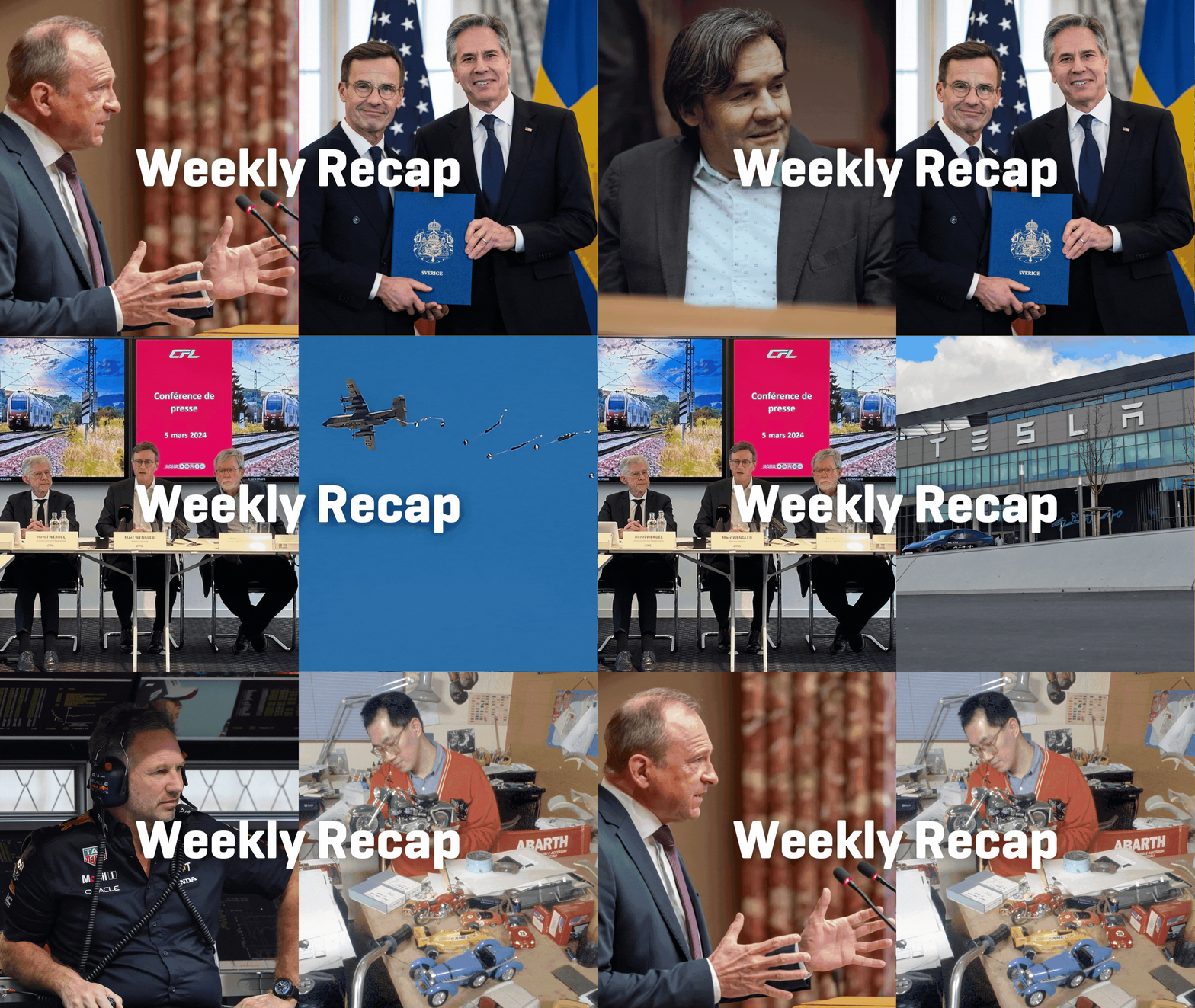
The 2024 Luxembourg budget, presented by Finance Minister Gilles Roth, focuses on improving household purchasing power, investing in infrastructure, digital innovation, and climate change measures.
Key takeaways – The 2024 budget proposal by Luxembourg's Finance Minister introduces several key measures aimed at strengthening the nation's economy and addressing societal needs amid challenging global circumstances. It emphasises boosting the purchasing power of households through adjustments in the tax table aligned with wage indexations, and supporting specific groups like single parents and widows.
The budget also plans significant investments in infrastructure, digital innovation, and efforts to combat climate change, such as the allocation of €4.3 billion for rail and road projects.
Additionally, there are plans to make Luxembourg more attractive to investors by reducing corporation tax by 1%.
Temporary concessions – In response to the pressing issue of housing, the government has included substantial measures in the new budget to encourage construction and investment in the housing sector, acknowledging the shift from a supply shortage to a decline in housing demand.
Despite these efforts, the state revenue is expected to decline due to the housing measures, but the government remains committed to addressing what is considered the country's most significant challenge.
Additionally, the budget projects a decrease in the budget deficit and a stabilisation of public debt relative to GDP, aiming for a healthier fiscal position by 2025.
Opposition reacts – Opposition parties have raised concerns regarding the 2024 budget. They argue that it lacks adequate measures to address the diverse socio-economic challenges within the country, particularly criticising the absence of targeted initiatives to combat child poverty and improve overall social welfare.
The criticism extends to the government's approach to the housing crisis, accusing it of over-relying on the private sector and providing minimal direct support to those in need.

Hesperange Mayor and MP Marc Lies from the Christian Social People's Party (CSV) has faced backlash for linking a local crime to immigration policies on social media, leading to public criticism from various political figures and a disavowal by his own party.
Politicians from different parties condemned Lies' remarks, with some highlighting the inappropriate conflation of crime with immigration issues and criticising the shift in public discourse, while a few defended the need to address security and immigration policy effects critically.
Lies has since apologised for the comments, claiming a misinterpretation and a lack of connection to the specific local incident, while opposition parties in Hesperange demanded further explanations and a personal apology.
Fallout – Marc Lies stirred a controversy by suggesting a link between a local crime involving the beheading of chickens and the country's immigration policies in a social media comment. This led to significant backlash from various political figures, including former Minister of Foreign Affairs Jean Asselborn, who criticised Lies for blaming refugees for petty crimes.
In response to the controversy, the CSV leadership distanced itself from Lies' comments, stating that his views do not reflect the party's stance and that they had a clarifying discussion with him.
Political divide – The incident provoked a wide range of reactions from the political spectrum in Luxembourg. Figures from the Luxembourg Socialist Workers' Party (LSAP), the Greens, and the Pirate Party condemned Lies' remarks, pointing out the dangerous conflation of criminal activities with immigration and refugee issues.
They criticised the deteriorating level of public discourse, particularly noting the adverse impact such statements have on social cohesion and the perpetuation of negative stereotypes against vulnerable groups.
Conversely, MPs Fred Keup and Tom Weidig of the Alternative Democratic Reform Party (ADR) argued that the incident highlights the need for a critical discussion on the country's asylum policies and their social repercussions, indicating a divide in political opinion on the issue.
Context matters – Lies has since issued an apology for his controversial social media post, claiming that his comments were misinterpreted and that he had not intended to make a direct connection between the local crime and immigration policies. He admitted to not realising the specific context of the crime being discussed in the original post.
Despite his apology, opposition members of the Hesperange municipal council have demanded further explanations and a public apology for his remarks.

The Luxembourg National Railway Company (CFL) has refuted allegations reported by Tageblatt, claiming their staff neglected duties and misused surveillance equipment, asserting no prior knowledge of such incidents and emphasising the use of Building Management System units for operational rather than constant surveillance purposes.
Tageblatt's investigation suggests CFL staff were engaging in inappropriate activities like watching Netflix, playing online poker, and sleeping, potentially ignoring incidents of crime, with the company maintaining such actions would fall under police jurisdiction and stating they conduct regular checks and training for staff.
Union leaders and CFL management express surprise and concern over the allegations, emphasising the importance of addressing any substantiated claims promptly, while the company clarifies the role of their surveillance system and the disciplinary process for non-compliant employees.
Accusations denied – The CFL has publicly addressed the accusations made by Tageblatt, strongly denying any misconduct among their staff concerning the monitoring and use of security cameras. The allegations pointed towards CFL personnel engaging in leisure activities such as playing cards, watching television, or sleeping during work hours, thereby neglecting their surveillance duties.
Marc Wengler, speaking on behalf of the CFL, clarified that the cameras in question are part of a Building Management System (BMS), not intended for constant surveillance, but for maintaining the functionality of station facilities like escalators and lifts. CFL officials further stressed that there was no prior knowledge of such inappropriate behaviour and that the accusations were unfounded attacks lacking evidence.
Regular inspections – The alleged misconduct has reportedly led to a lack of attention to potentially serious incidents, including sexual and drug-related offences. The CFL, in response, has reiterated that any criminal activities should be reported to and handled by law enforcement authorities.
Despite these claims, CFL asserts that their staff undergoes regular inspections and are encouraged to utilise their time productively by engaging in training and reviewing technical documents when not responding to alerts.
Unions weigh in – Union leaders expressed their shock and concern following the allegations made by Tageblatt regarding the alleged abuses within CFL's video surveillance department. Both Mylène Bianchy and Josy Bourggraff, prominent figures in Luxembourg's trade unions, were taken aback by the news, highlighting that these allegations were unexpected and came to their attention only through the media.
CFL management echoed this sentiment of surprise and reassured that the company is committed to transparency and will thoroughly investigate any substantiated allegations.
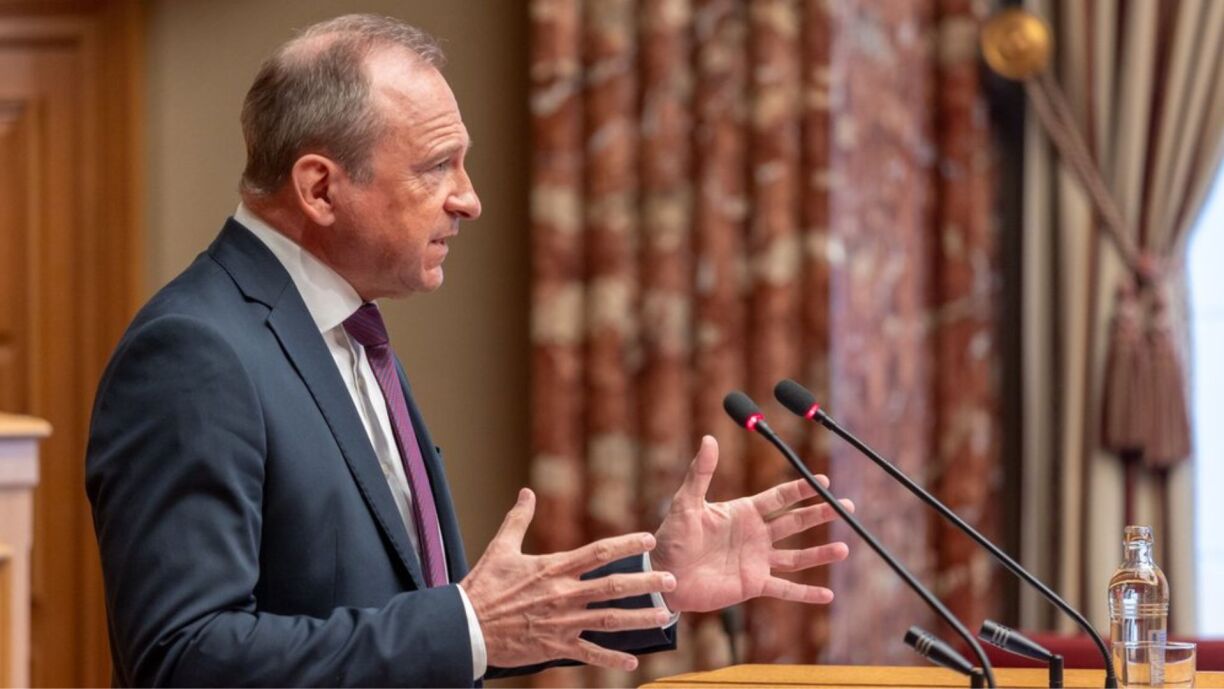
Sweden on Thursday became the 32nd member of NATO, ending over two centuries of non-alignment, following the approval from Turkey and Hungary after initial reluctance.
The move signifies a shift in European security dynamics, sparked by Russia's invasion of Ukraine, leading previously neutral countries like Sweden and Finland to seek NATO membership.
The United States played a significant role in facilitating Sweden's accession by negotiating with Turkey, including the approval of a major arms deal, and addressing Hungary's final ratification hurdles.
Historic policy shift – Sweden's accession to NATO marks a significant departure from its historical stance of over two centuries of non-alignment, catalysed by new security concerns arising from Russia's invasion of Ukraine. This milestone in Swedish foreign policy reflects a major shift towards collective security under the NATO umbrella, particularly in the context of heightened regional tensions and uncertainties.
Strength in numbers – The policy change has been driven by the heightened security concerns, prompting Sweden and its neighbour Finland to reconsider their long-standing positions of military non-alignment. This development reflects a broader trend of reevaluation of security policies in the face of evolving threats, leading to a strengthened NATO alliance with new members that were historically neutral.
US-led negotiations – The United States has played a pivotal role in facilitating Sweden's NATO membership, particularly through its negotiations with Turkey. Turkey's initial resistance to Sweden's accession was overcome through diplomatic efforts, which reportedly included the US offering incentives such as the approval of a significant arms deal involving F-16 warplanes.
Additionally, the United States engaged with Hungary to overcome the final hurdles for ratification, showcasing the multifaceted diplomatic efforts required to expand the alliance and enhance collective security in the face of global challenges.
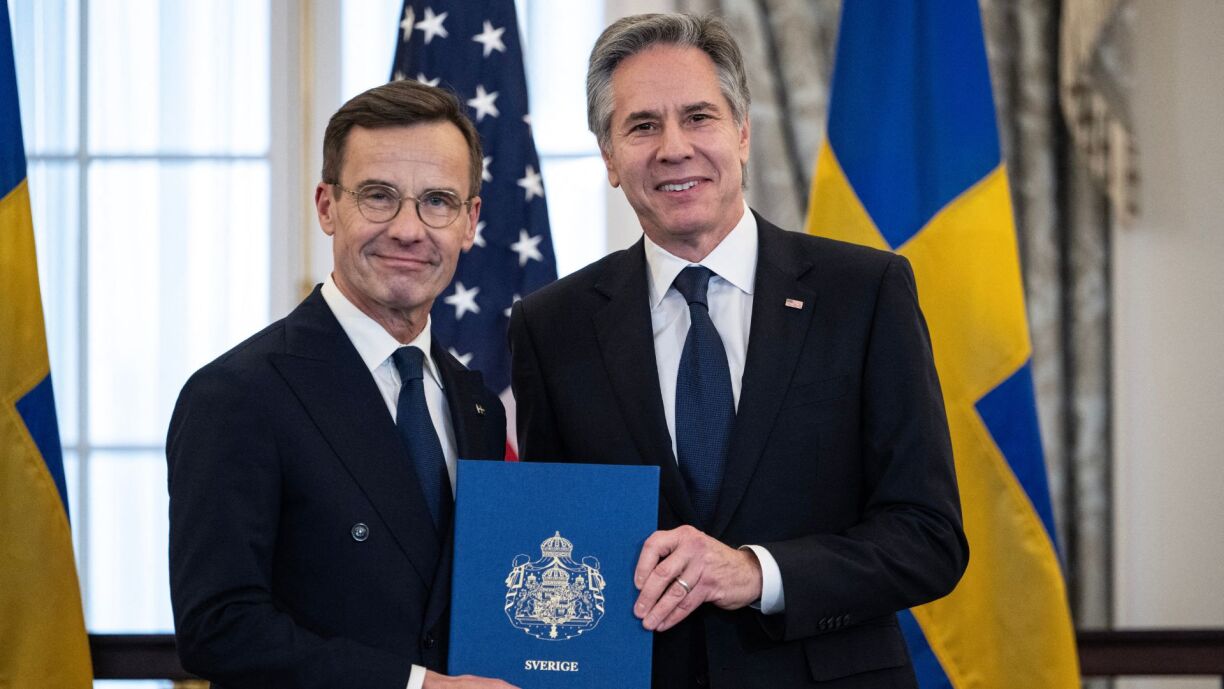
US President Joe Biden announced the establishment of a temporary port off Gaza's coast by the US military to increase humanitarian aid delivery, amid ongoing blockades and restrictions from Israel.
The aid operation includes airdrops coordinated with Israel, and the new temporary pier aims to enable a significant increase in food, water, and medicine supplies, with shipments to be screened through Cyprus.
Despite large-scale airdrops by the US and other nations, including Luxembourg, the severe humanitarian crisis in Gaza necessitates additional aid channels like the proposed temporary port.
Temporary port – President Joe Biden, in his State of the Union address, announced a significant initiative to establish a temporary port off the coast of Gaza, led by the US military. This move comes as a response to the urgent need for humanitarian aid in the region, which has been significantly hampered by Israeli blockades and restrictions.
The establishment of a temporary port aims to facilitate the large-scale import of essential supplies such as food, water, medicine, and temporary shelters into Gaza, aiming to alleviate the dire conditions faced by its residents due to the ongoing conflict and blockade.
International cooperation – The US-led aid operation encompasses not only the creation of a temporary pier, but also includes coordinated airdrops of aid into Gaza, a method employed due to the pressing need for humanitarian assistance. These airdrops have been conducted in collaboration with Israel and have involved multiple international partners.
The shipments intended for Gaza through the new port will be screened by the United States and European Union member Cyprus, ensuring compliance with the security concerns of the surrounding nations, notably Israel.
Support for civilian population – The humanitarian situation in Gaza has deteriorated significantly since the onset of the conflict, triggered by an unprecedented attack from Hamas on southern Israel. This escalation has led to a substantial number of civilian casualties and a worsening crisis, with halted land deliveries exacerbating the already critical shortages of food, water, and medical supplies. The extensive damage and suffering have led to urgent calls from international bodies and human rights organisations for increased humanitarian aid.
Business & Tech – The EU on Monday hit Apple with a more than €1.8 billion fine for violating the bloc's laws by preventing European users from accessing information about alternative, cheaper music streaming services.
Science & Environment – Tesla halted production at its German factory Tuesday after power lines supplying the electric carmaker's only European plant were set on fire in an act of sabotage claimed by a far-left environmental activist group.https://today.rtl.lu/news/world/a/2066108.html
Entertainment – The creator of Japan's hugely popular and influential 'Dragon Ball' comics and anime cartoons, Akira Toriyama, has died aged 68, his production team said Friday.
Travel – Luxembourg citizens can now enjoy visa-free travel to China for short-term stays, following a new agreement set to take effect on March 14, aimed at enhancing economic and cultural exchanges between the two nations.
Mobility – During their recent working visit to California's top tech companies, Ministers Bettel and Delles have secured a deal with autonomous driving leader Pony.ai to establish a European research and development centre in Luxembourg.https://today.rtl.lu/news/world/a/2066108.html
European elections – Eight political parties in Luxembourg, including those represented in the Chamber of Deputies and FOKUS, have agreed on a campaign pact aimed at ecological sustainability and fairness ahead of the European elections

Your Weekly Recap is published every Friday at noon. Read earlier versions.





