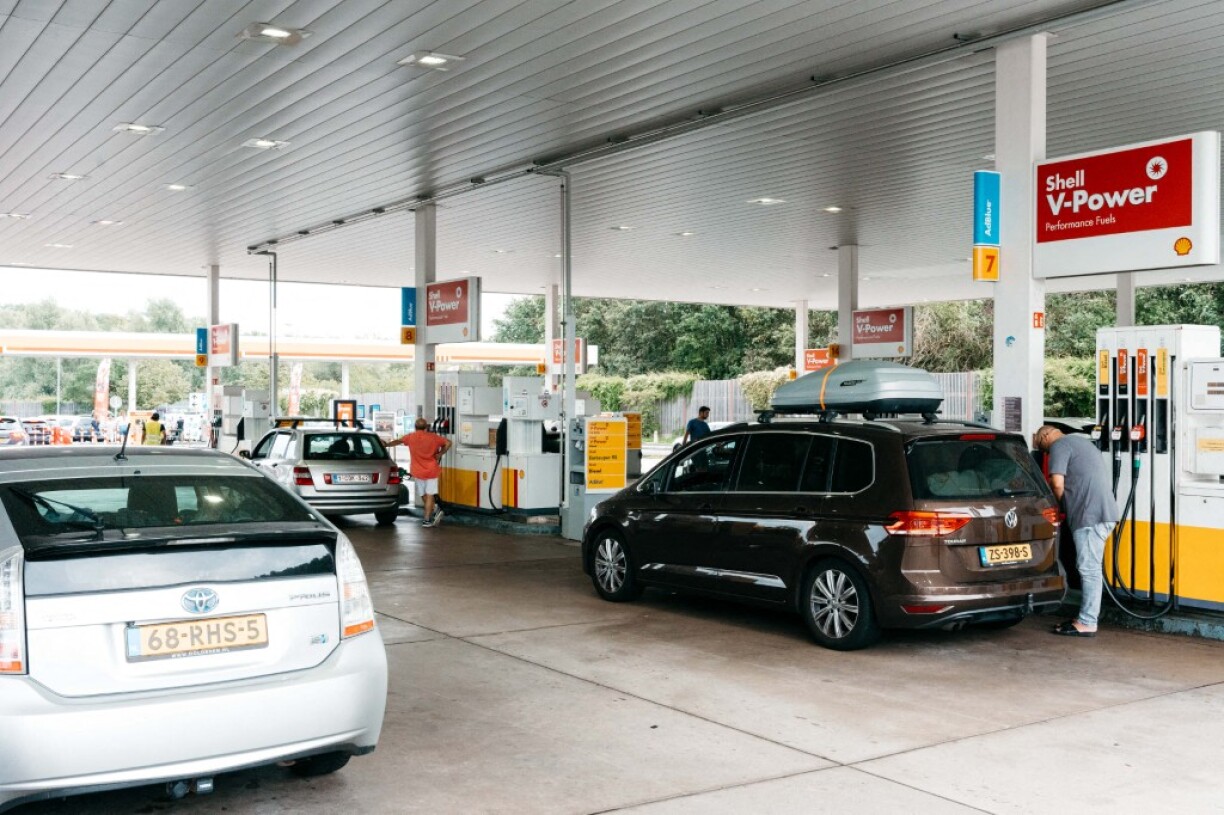
During the most recent reference period, from January to March 2025, the estimated cost of driving 100km in Luxembourg was approximately €8.79 for petrol vehicles using 95-octane fuel, and €6.99 for diesel vehicles. In comparison, fully electric cars proved significantly more economical. Based on a mix of home electricity rates and public charging prices at Chargy and SuperChargy stations, the cost per 100km for electric vehicles came to just €4.58.
When asked by MPs Mars Di Bartolomeo and Georges Engel of the Luxembourg Socialist Workers' Party (LSAP) how current fuel prices in Luxembourg compare with those in neighbouring countries, Economy and Energy Minister Lex Delles replied with a concise yet revealing table, which listed the pump prices recorded on 12 May in Luxembourg, France, Belgium, and Germany.
The data made one thing clear: Luxembourg remains by far the most advantageous place to fill up.
On that day, a full 50-litre tank of diesel cost €13 less in Luxembourg than in Belgium. German cross-border workers using SP95 saved €15 by refuelling in Luxembourg. French cross-border workers also benefited, saving €13 on SP95 and €9 on diesel.
Minister Delles acknowledged that the recent evolution of the dollar-euro exchange rate has had a significant impact on the euro-denominated price of crude oil. While the price of Brent crude in dollars fell by 20% between 15 January and 16 May (from $82 to $66), the fall in euros was even more pronounced – down 27%, from €80 to €59.
This drop has translated differently across fuel types: diesel prices have fallen by 25%, while petrol prices are down 14% over the same period.
However, Delles cautioned that the exchange rate is just one of many factors influencing consumer prices. Other variables include the finished product markets, such as demand, inventories, production capacity, refinery margins, and seasonal fluctuations. Additionally, the time lag between crude oil price changes and their impact on refined product costs also plays a key role.
In Luxembourg, maximum prices for petrol and diesel are directly linked to the prices of finished products, not crude oil itself. According to Delles, "any variation in these prices is automatically taken into account when determining maximum prices."
While crude oil prices have indeed dropped significantly in recent months, this decline is not fully reflected at the pump. The reason is simple: raw material costs represent only about one third of the final fuel price paid by consumers in Luxembourg. When motorists fill up their tanks, the cost of crude oil is just one component of the total price per litre.
The remaining portion consists of operating costs at petrol stations, excise duties set by the government, value-added tax (VAT) at 17%, and a CO2 tax that has been in place since 2021. This CO2 tax is set to rise to €40 per tonne in 2025.
Crude oil prices are at their lowest levels since the pandemic, also influenced by the euro strengthening against the dollar. Not only is Brent crude now trading at $66 a barrel – a far cry from the 2022 levels, when Russia's invasion of Ukraine pushed prices above $100 – but a further slump may be on the horizon. The Organisation of Petroleum Exporting Countries (OPEC+) recently announced plans to accelerate oil production increases.
At the same time, the strengthening of the euro against the dollar is further amplifying the effect of falling oil prices in the eurozone.





