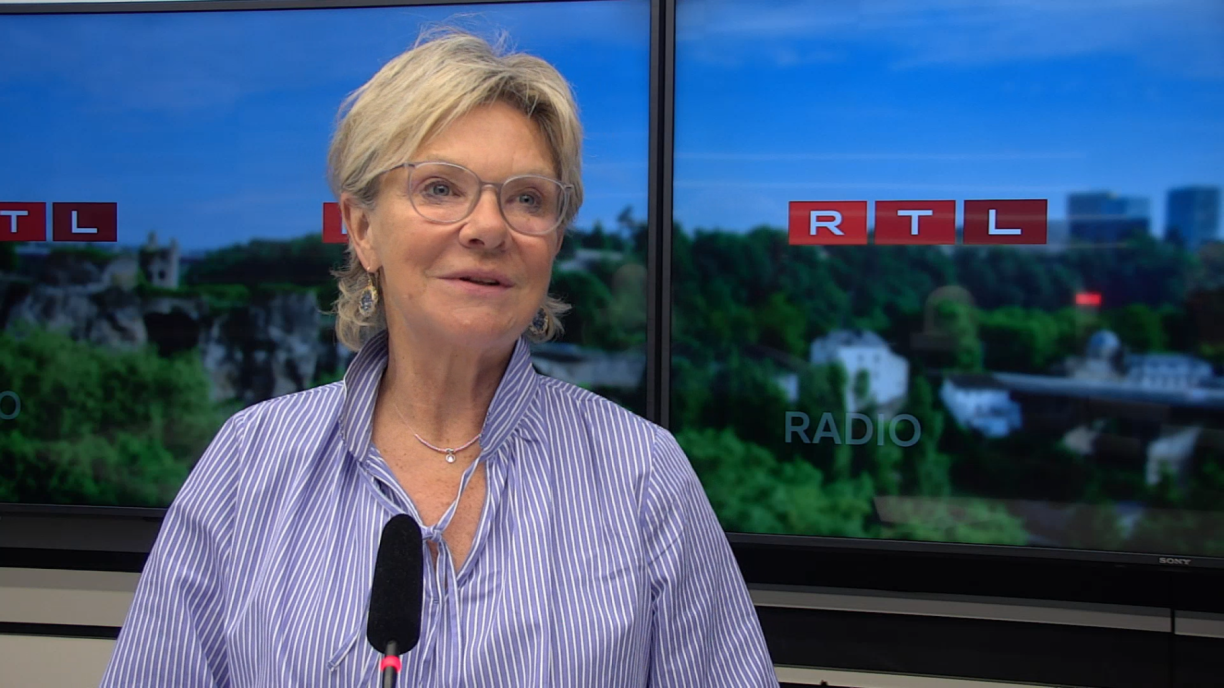
On Saturday, Minister of Agriculture Martine Hansen spoke to our colleagues from RTL Radio.
Hansen confirmed that a third case of rabbit fever (tularaemia) has been detected, this time in Mompach. She urged the public to follow existing precautions to contain the spread.
The minister also addressed the impact of bluetongue disease, acknowledging a difficult year for farmers but noting that sufficient vaccines are now available. "Securing these vaccines was challenging," Hansen said, advocating for a coordinated European solution to future outbreaks.
While praising Luxembourg's animal welfare laws as robust, Hansen called them "a toothless tiger" with regards to enforcement. Currently, administrations cannot issue sanctions directly – cases of animal cruelty must be referred to prosecutors, causing delays. The minister announced plans to amend the law by summer.
On the topic of 'list dogs', Hansen expressed scepticism about finding an ideal system. She ruled out stricter rules for breeds requiring licences and nature tests but remained cautious about mandatory licencing for all dog owners, warning it could worsen shelter overcrowding. Luxembourg will monitor Austria's approach before deciding on reforms.
Minister Hansen emphasised the need to preserve food supply sovereignty and attract younger generations to farming. A European action plan is expected by autumn, with Luxembourg set to propose concrete national measures before year-end.
Hansen noted the sector's heavy reliance on subsidies, stating the Grand Duchy's agriculture would be "dead without them."
With the EU's agricultural policy revised every seven years, Hansen described the upcoming 2027 reform as an "evolution with simplifications" rather than a revolution. Luxembourg advocates for streamlined regulations, including adjustments to deforestation laws – a topic of ongoing discussion with Environment Minister Serge Wilmes.
When asked about Luxembourg's stance on the controversial Mercosur trade deal, Hansen said no decision had been made. She stressed the need to ensure imported goods meet EU pesticide bans. Prime Minister Luc Frieden will announce the government's position "soon".
The minister highlighted progress in organic farming (now 9.4% of agricultural land) and ammonia reduction (down 11% since 2005). A draft law expanding greenhouse production faces no opposition from the Council of State and could pass by mid-May, potentially increasing Luxembourg's fruit and vegetable output.
Hansen also pointed to AI's untapped potential for modernising farming practices.





