The hotel and catering industry in Luxembourg is facing a significant staffing shortage. To address this, the Federation of Hotel, Restaurant, and Bar Owners (HORESCA) has launched a campaign to promote careers in the hospitality sector.
The "Dreamjobs Ambassadors" campaign aims to highlight and celebrate the talent within Luxembourg's hospitality industry. Currently, there are between 1,200 and 1,500 urgent vacancies in the sector across the Grand Duchy.
According to Steve Martellini, Secretary General of HORESCA, the shortage has forced some businesses to close for one or two days a week due to a lack of staff. However, the increased demand has also led to higher wages for qualified workers.
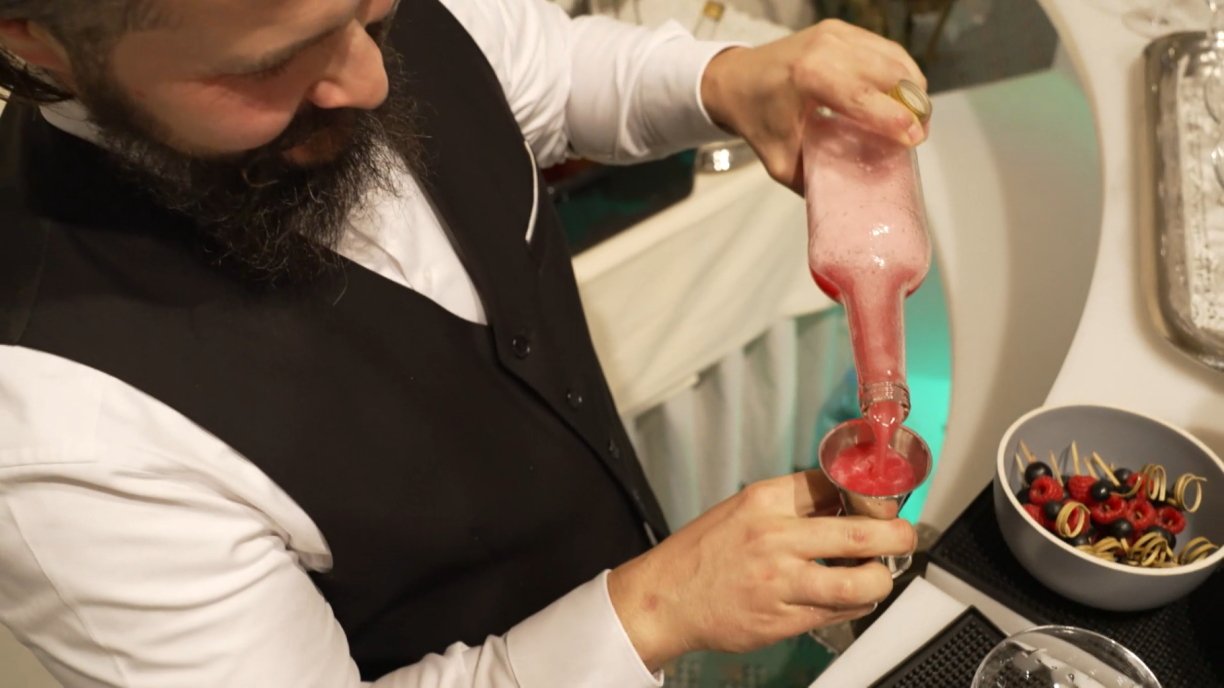
As in previous years, the search for new talent remains a priority. To encourage young people to pursue training and careers in hospitality, HORESCA first launched the "Dreamjobs Ambassadors" initiative in 2020. Since then, six passionate professionals have been named ambassadors, sharing their enthusiasm for their roles through videos. In 2024, the campaign included a special event featuring celebrity chefs, a pastry chef, and students from the Lycée Technique de Bonnevoie and the Luxembourg School of Hospitality and Tourism who worked together to prepare and serve meals throughout the evening.
Martellini described the event as "more than just a 'meal'–it's a kind of open door to the professions in the hospitality sector." HORESCA's goal is to provide insights that "inspire and motivate" those interested in the industry. He emphasised that hospitality professions are "vital" to Luxembourg’s economy but are often "undervalued," despite their role in "creating jobs, supporting the local economy, and enriching our gastronomic culture." Martellini expressed hope that by raising the profile of these careers, more talented young people would be attracted to the sector which he described as offering "a wealth of opportunities for career development."
Luxembourg is currently home to 211 hotels, around 1,650 restaurants, and 478 bars, employing nearly 23,000 people.





