Amnesty International staged a protest on Tuesday outside the offices of the Commission de Surveillance du Secteur Financier (CSSF), highlighting concerns over Israeli government bonds being sold in Europe via Luxembourg. These bonds generate billions of euros for Israel, and campaigners argue that Luxembourg is complicit in funding Israel's actions against Palestine by allowing their sale.
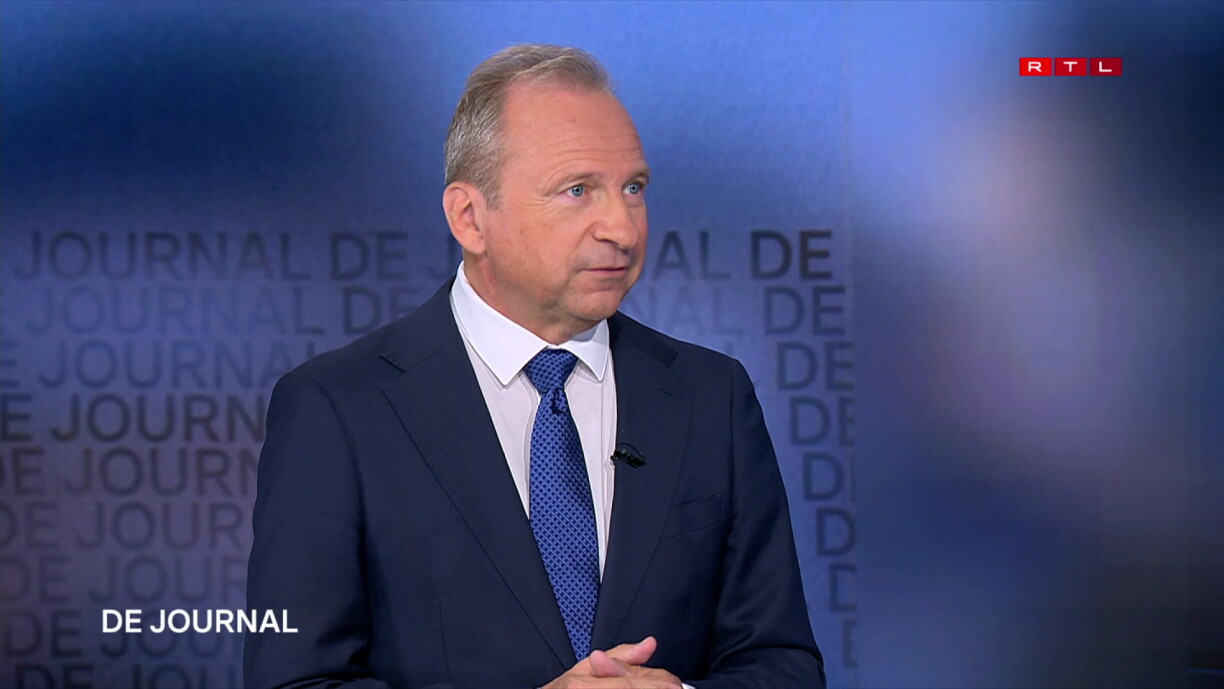
Finance Minister Gilles Roth responded unequivocally that this Israeli government bond will not be renewed after it expires on 31 August this year. Roth explained that the decision was taken solely by the CSSF, which oversees the national financial sector, and that the regulator decided two months ago that the bond would not be extended.
Roth further defended the CSSF against criticism, emphasising that the regulator had followed European criteria in its decision-making process. He argued that many of the accusations directed at the CSSF were unwarranted, reiterating that the bond’s discontinuation was a matter of regulatory compliance rather than political pressure.
Turning to the housing sector, Roth explained that the new government measures are intended to restore confidence and stimulate investment in the property market. The initiatives are primarily aimed at private individuals, who have recently enjoyed higher returns on savings and investments in banks. According to Roth, these measures were developed in consultation with the sector and are designed to encourage more people to invest in housing. However, he cautioned that the government would have to closely monitor the impact of these policies on the national budget.
At present, the measures, which the government intends to bring before parliament as soon as possible so they can be applied retroactively for the whole year, are limited to private individuals. It has yet to be decided whether they will be extended in the future to include legal entities.
Roth also confirmed that the forthcoming legislation on the sale of buildings under construction (VEFA) will be addressed by the Minister for Justice.
Responding to criticism from The Left (Déi Lénk) that the measures do not sufficiently support tenants, Roth argued that the priority is to increase the number of available homes. He highlighted that while many projects have already received planning permission, they have not yet been realised. Conversely, a decade ago the main obstacle was the lack of such permissions. Through tax incentives, the government aims to remove barriers to construction and boost the market.
Roth described the current package of measures, developed with the Ministry of Housing, as "good and coherent", but left the door open to further adjustments in rental policy if necessary in the future.
Parliament has approved legislation extending the tram line to Strassen. Plans envisage a new tram stop and bus station on the site currently occupied by Batiself and other shops, but the future use of this large area remains uncertain.
The government has allocated €114 million for the tram extension towards Strassen, but the law, passed unanimously, does not include the purchase of the land in question. Roth explained that even if the tram crosses the site, the state is not obliged to acquire the entire property.
Whoever eventually develops the site, Roth is confident that constructive negotiations will take place to ensure the land is put to good use.
Roth explains that the location of the station, the tram route, and the type of developments suitable for the site are not for the finance minister to decide, but fall under the authority of the relevant local councils, emphasising the importance of respecting municipal autonomy.





