While global studies on biodiversity loss are common, with a notable database from 2019 by the United Nations Intergovernmental Science-Policy Platform on Biodiversity and Ecosystem Services (IPBES), the recent study from Luxembourg sheds light on the underestimated risk to insect species.
The research paper, published in the journal Plos One, focused on an analysis of 14,669 European species — terrestrial, freshwater, and marine — listed on the International Union for Conservation of Nature's Red List of Threatened Species. The findings indicate that 19% of European animal and plant species are under the threat of extinction.
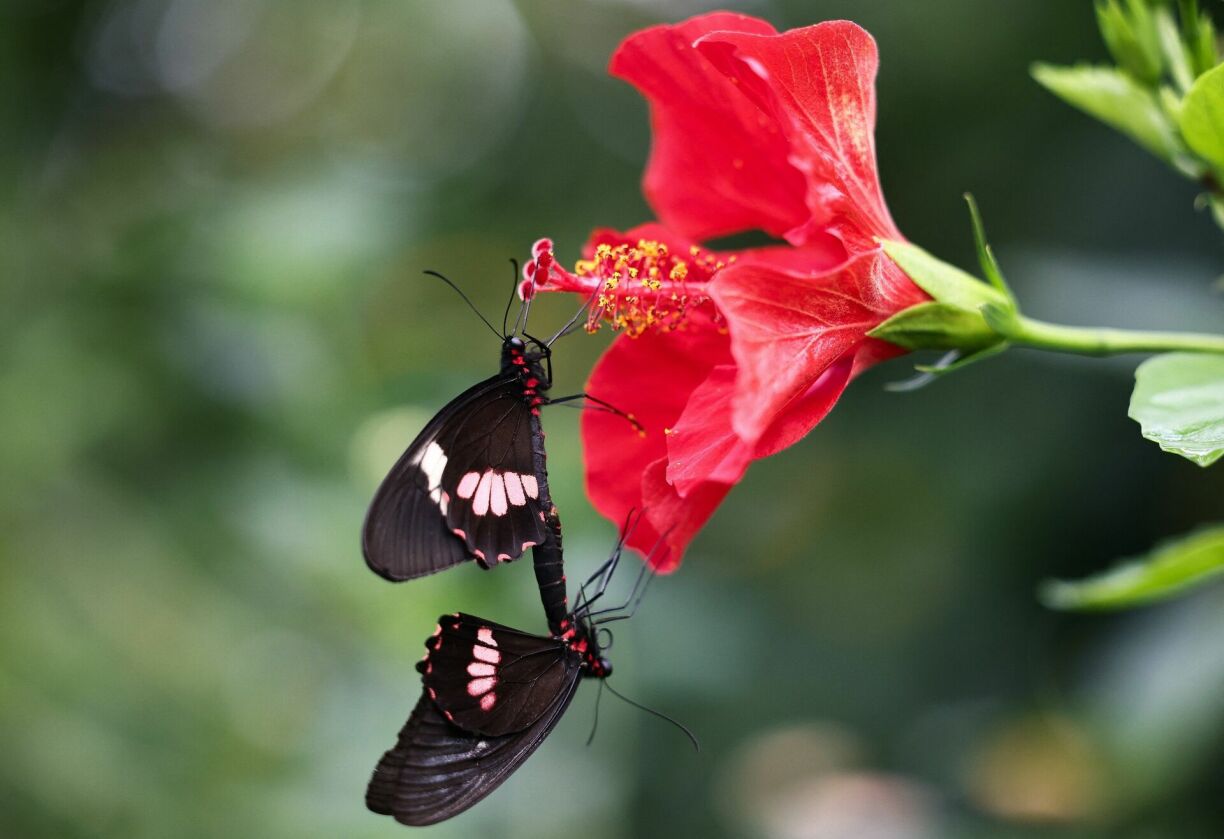
Breaking down the risks, the study reveals percentages of 27% for plants, 24% for invertebrates (of which 90% are insects), and 18% for vertebrates. While these figures align with those of the IPBES in most categories, the estimates for insects differ significantly. The IPBES estimated the risk of insect extinction at 10%, whereas the new study suggests a threat twice as high.
The researchers emphasise the impact of changes in agricultural practices, habitat loss, overexploitation, pollution, and development as major threats to biodiversity. They stress the need for maintaining and re-establishing sustainable land and water use practices to mitigate future declines in biodiversity. The crucial role of insects in preserving ecosystems, including pollinating crops, and recycling nutrients in the soil, is highlighted as a key reason for urgent conservation efforts.





