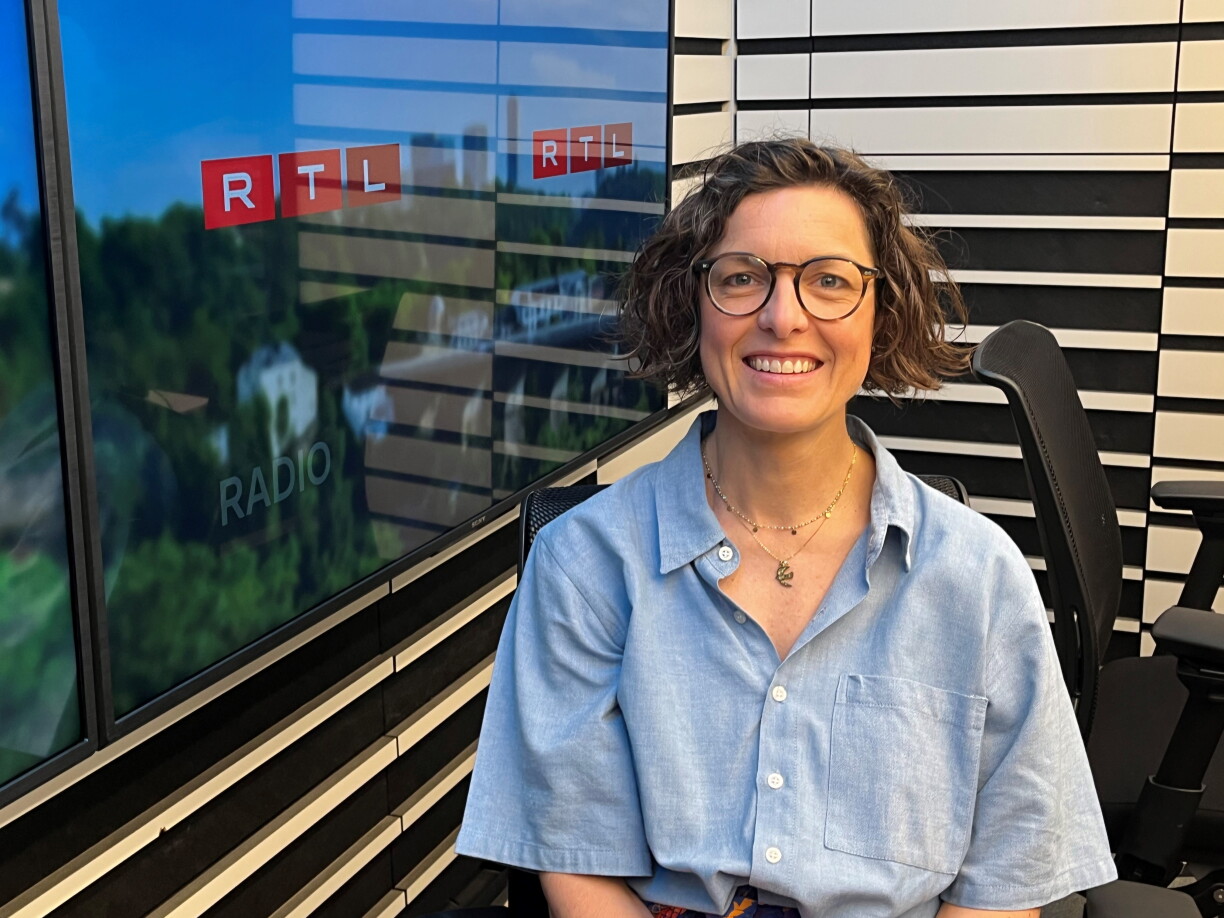
Cathy Mangen, director of the outpatient support and consulting service SCAP was RTL's editorial guest on Friday morning to discuss the topic of inclusion in schools.
Mangen acknowledged that in a system undergoing significant change, problems are to be expected, but stressed that not everything is negative. She regretted, however, that the principle of inclusion has still not taken root in everyone's minds. Considerable efforts have certainly been made to keep as many children as possible in mainstream schools, which requires many adjustments and takes time. At the same time, a number of issues must be addressed – and as quickly as possible – to prevent the psychological strain on both families and teachers from increasing further. Long waiting times are currently a particular concern, Mangen noted.
Even today, the concept of inclusion still needs to be defended among some teachers, the SCAP director said. According to her perspective, the "Stop," campaign launched by the teachers' union SNE, which included slogans like "Stop, the inclusion has its limits" is a sign that the "fundamental attitude of how we want to function as a society" has not yet been definitively resolved.
Mangen welcomed the fact that the Ministry of Education has increased resources in the area of inclusion and plans to recruit additional staff. Today, 2,000 members of staff look after children with special needs. However, she noted that these personnel are not always deployed where they are most needed. It would be better, Mangen believes, if specialists were directly on site to assist teachers in their day-to-day work – a grievance that has also been repeatedly voiced by the teachers' unions.
Reducing administrative burdens and providing more help where it is needed would also be important, Mangen argued. She added that more preventative work could help avoid having to pour excessive resources into individual cases when a child is in crisis.
The SCAP director identified several areas for structural improvement. She noted that grade retentions are proven to be ineffective yet continue to be maintained. Homework, she argued, reinforces inequalities among students. She also called for more comprehensive data on children with special needs – such as how many there actually are – and criticised the current lack of headmasters in primary education, stating that the president of the school committee simply lacks the means to support families and children in their respective administrative steps.
Luxembourg has a wide array of structures and services available for children with special needs – so many, in fact, that it is virtually impossible to keep track of them and to know which service would best help a child at any given moment. Many families also turn to SCAP without having been correctly referred there, even though the service specialises specifically in the care of children and young people with ADHD.
As a result, considerable resources and time are spent simply guiding children and their parents to the appropriate destination, which causes significant frustration. Mangen stressed that there is a clear need for better cooperation in this area, including between the education and healthcare sectors, where there remains "room for improvement".
Mangen expressed a desire for a central point of contact within the healthcare system from which referrals could be managed. Children with neurodevelopmental conditions often require medical treatment, she noted, which falls outside the school's remit.
However, the healthcare system frequently lacks resources, expertise, and adequate networking. With too few specialists available, waiting times are correspondingly long. Mangen welcomed the fact that more children are being diagnosed today, but stressed that the shortage of teams to provide follow-up care remains a persistent issue.
Regarding the measure introduced by Claude Meisch as part of his new inclusion programme – allowing children who pose a danger to themselves or others to be removed from school for up to three days – Mangen urged that it be used very carefully and only in exceptional cases. Otherwise, she warned, some children might view it as a reward for their behaviour, which would undoubtedly be counterproductive.





