Luxembourg's Customs and Excise Agency has intercepted several significant drug shipments at the Cargo Centre in recent months. While such large-scale seizures remain relatively uncommon, the discovery of illegal substances is a routine part of customs operations.
In the third instalment of an RTL series profiling the agency, the focus turns to how officers handle suspicious or illicit materials – from initial detection to final analysis.
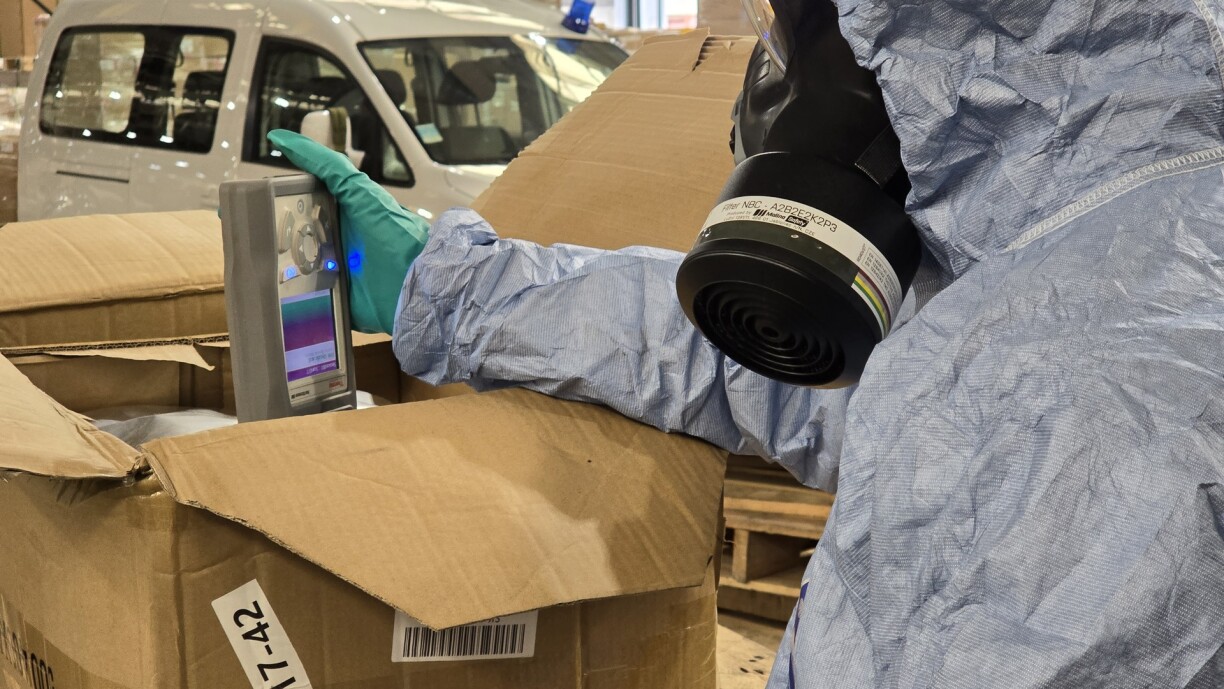
Customs officials emphasise that not every substance can be analysed immediately. "We don't handle gaseous compounds or test them here", explained one officer. In such cases, the Grand Ducal Fire and Rescue Corps (CGDIS) is alerted. For other materials, however, agents collect samples for in-house screening.
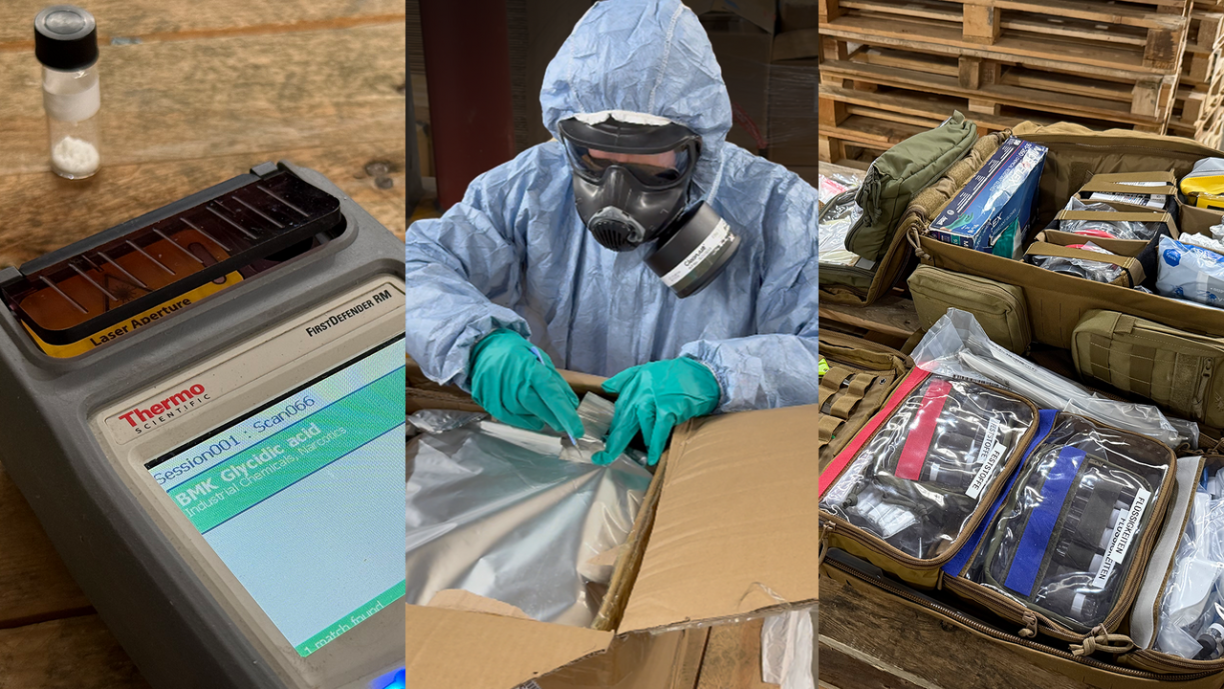
Using specialised equipment, customs teams conduct preliminary tests to classify seized substances. These examinations distinguish between finished narcotics – like cocaine – and drug precursors, which serve as raw materials for synthesis.
"It could be an acid, a base, an industrial toxin, or an illegal drug. The range is broad", noted the officer, who spoke anonymously in line with protocol.
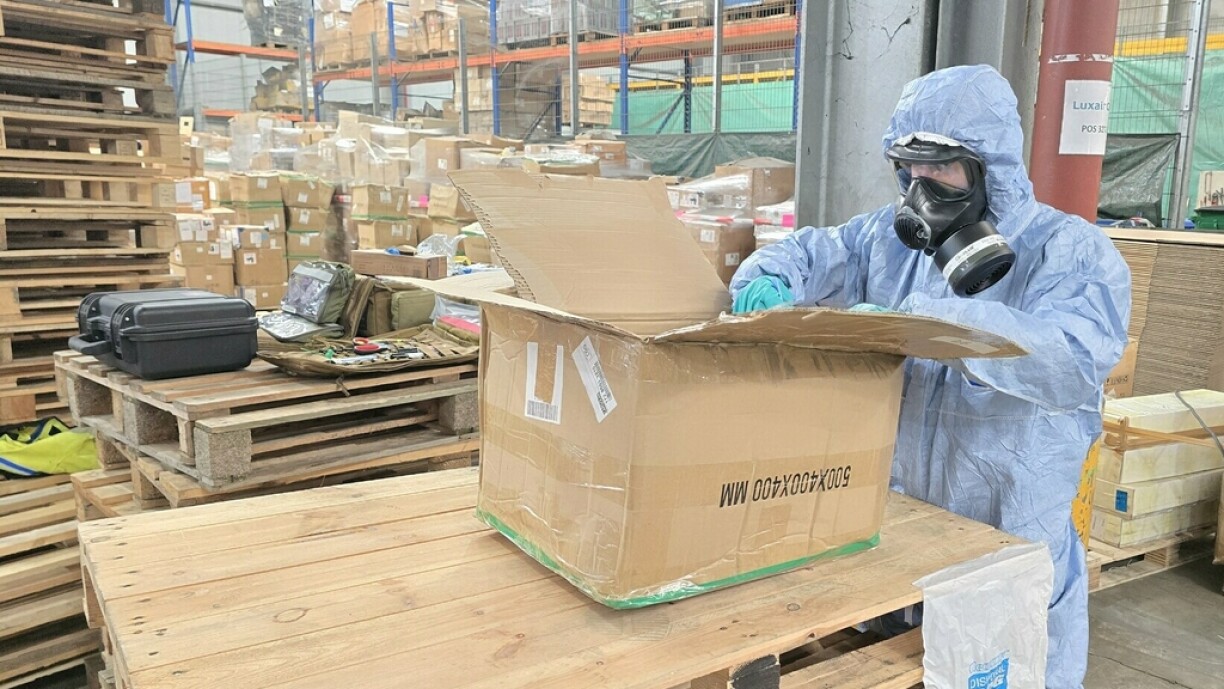
After documentation and weighing, samples from each confiscated package are sent to the National Health Laboratory (LNS) for definitive identification. Only the LNS's findings can confirm whether a crime has occurred, under what legal framework, and how judicial authorities should proceed.
If a substance falls outside customs' jurisdiction – such as explosives – the case is transferred to the relevant agencies, including the army if necessary.
In a recent operation at the Cargo Centre, customs officers intercepted methylglycidate – a chemical compound used as a precursor in methamphetamine production.
While some countries permit its legal import, Luxembourg enforces stricter controls. "Here, we immediately seize and analyse such substances", explained a customs official, adding, "If we confirm an offence, the case goes straight to the public prosecutor's office, and the product is ultimately destroyed."
Customs demonstrated both technical capability and operational effectiveness earlier this year with one of their largest-ever drug interceptions: 508 kilogrammes of cocaine. The haul underscores the agency's critical role in combating narcotics trafficking.
Other articles in this series
Inside Luxembourg customs – Part 1: 'I read my dog and my dog reads me', says Luxembourg dog handler
In search of counterfeit goods: The challenges for Luxembourg's customs officers