Despite its small size, Luxembourg’s customs services deal with a considerable volume of work, primarily because Findel Airport ranks among Europe’s most important cargo hubs – largely due to the operations of air freight giant Cargolux.
According to Jeff Jungels from Luxembourg’s Customs and Excise Administration, Findel is often seen by the public as a modest passenger airport, but in terms of freight, it has long been among the continent’s top ten. The sheer volume of goods passing through means the customs team is constantly busy.
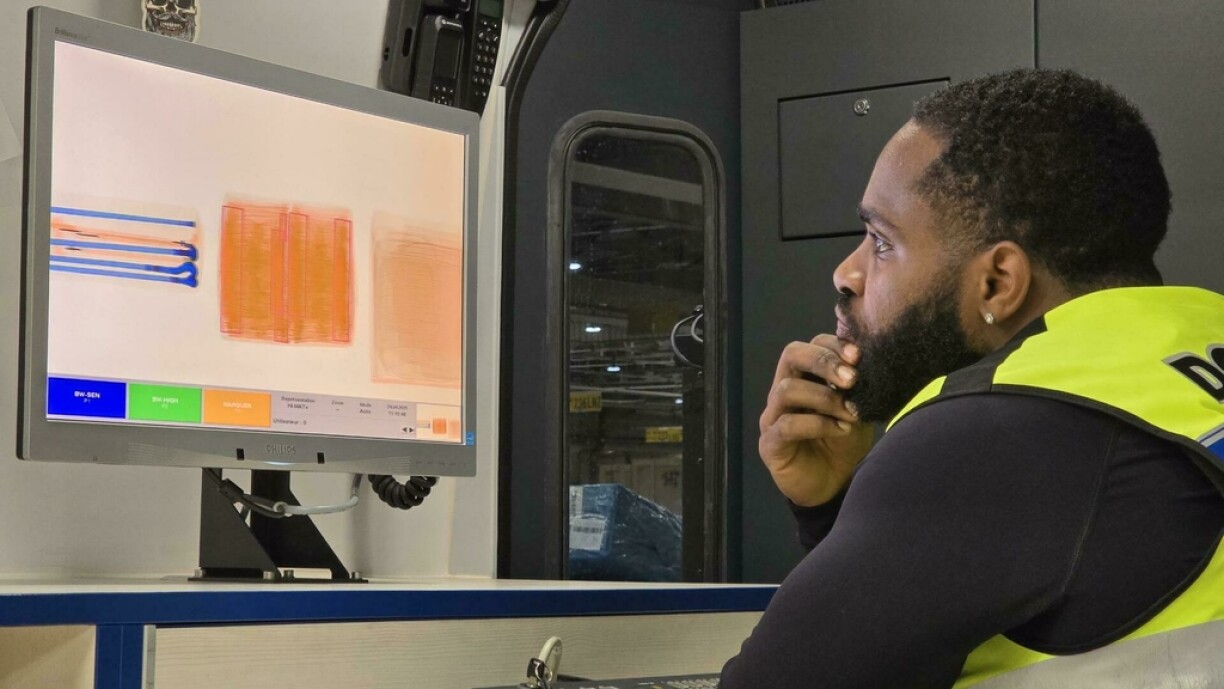
The rise of online shopping has led to a surge in incoming parcels, creating additional pressure for customs. Jungels explained that customs officers are responsible for screening goods arriving in Europe to ensure they meet safety standards. To help with this task, the service uses mobile scanning units, particularly effective for checking small packages. These scanners allow officers to see more clearly what’s inside, he added, enabling them to target suspicious shipments more efficiently.
Customs officers regularly intercept drugs and counterfeit products. No weapons have been discovered so far, but narcotics – both in liquid and solid forms – have been found repeatedly.
Packages containing large quantities of identical clothing items often raise suspicions of counterfeiting. The team’s objective is to detect and block fake goods before they enter circulation.
Olivier Seil, who specialises in identifying counterfeit items, said the team inspects all cargo and e-commerce goods arriving at the customs facility. When fakes are suspected, attention is focused on items that either carry well-known brand names or appear to mimic them visually.
Seil pointed to examples including a chainsaw resembling those of popular brands such as Stihl, or imitation Lego bricks that infringe on the toy company’s design rights. Such products are catalogued, and the brand owners are notified. If the item is confirmed to be counterfeit, it is destroyed.
Jungels explained that each inspection is preceded by a risk analysis based on electronic data. Physical checks follow. While customs officers aren’t specialists in every type of product, they’re trained to identify potential red flags and pass on suspicious cases for further investigation.
Every day brings new surprises at the cargo centre. It’s a role that demands a lot of patience and rarely provides instant results. Jungels acknowledged that it can be frustrating not to find anything during inspections, but he emphasised that their work plays a crucial role in protecting the European market and its consumers.





