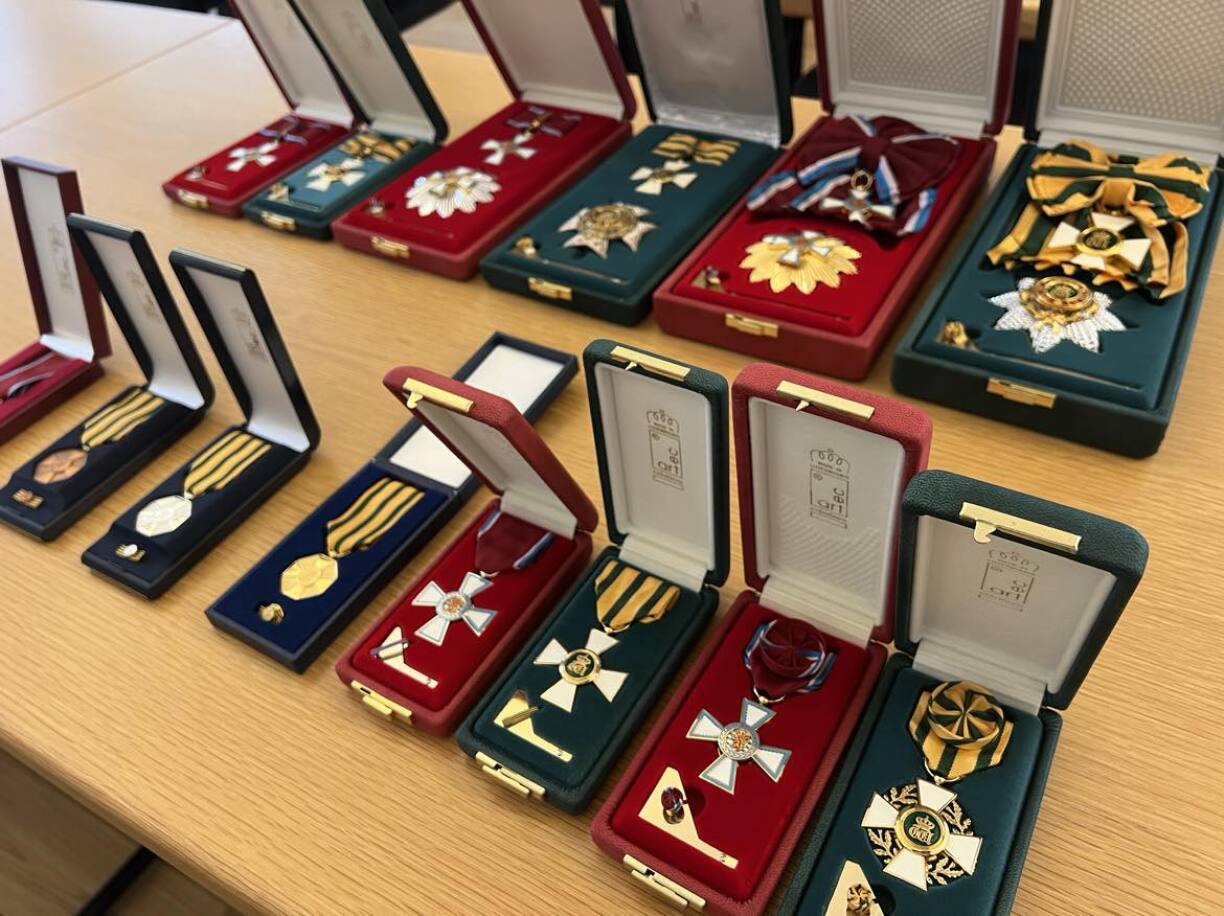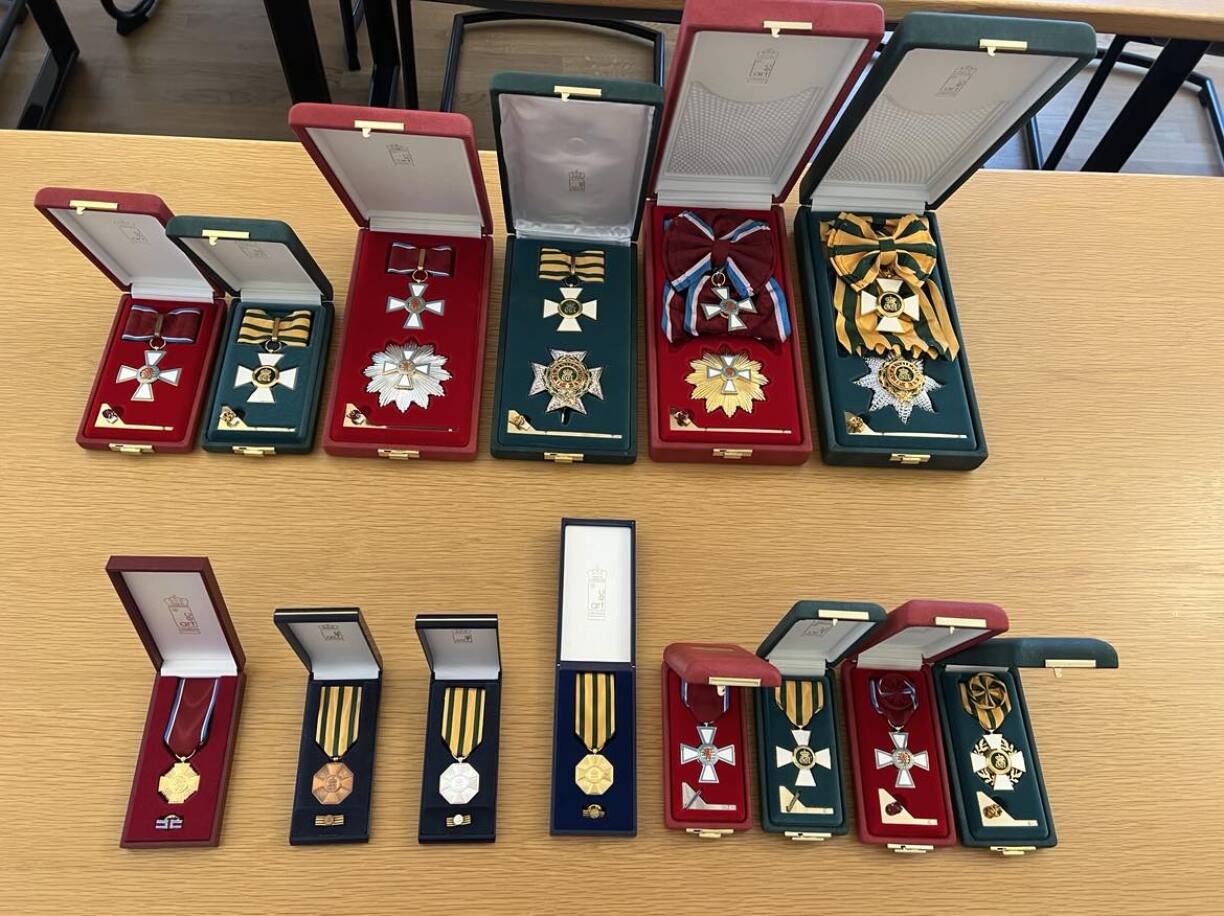
In 2023, approximately 2,800 medals of varying degrees were conferred. The majority of recipients receive their honours at the respective ministries, where they are recognised for their contributions. Between five and seven individuals receive special recognition at the Philharmonie.
Read also: Six people decorated for services to the countryDuring the National Day ceremony at the Philharmonie, the Prime Minister delivers a speech in tribute to the awardees, offering insights into their lives and accomplishments.
However, the selection process for those honoured does not occur spontaneously a week before the event. Behind the scenes, the Service des Ordres Nationaux, a small team located in the historic Villa Pauly, which has recently been opened to the public, handles the entire process.


At the beginning of each year, all ministers are invited to recommend candidates from their respective sectors. This is done because the different ministries are best positioned to identify outstanding individuals within their fields.
For example, Kelvin Josue Alvarado Oliva received the Medal of Honour for Courage and Dedication in Vermeil this year for his courageous act of rescuing a person from a burning car. His nomination was put forward by the Ministry of Home Affairs on behalf of the Grand Ducal Fire and Rescue Corps (CGDIS).
These recommendations are then collected by the Service des Ordres Nationaux. The team at the Service prepares the dossier for the Prime Minister. Approximately three to four months prior to National Day, the final list is compiled, including the selection of five to seven individuals who will receive special recognition at the Philharmonie.
This marks the beginning of the research process for the Service des Ordres Nationaux team, as explained by Patrick Majerus, the head of the Service: "We reach out to the chosen few, which can sometimes be challenging as we must maintain discretion, and in most cases, these individuals are members of the general public for whom we do not have direct contact information."
Following contact, the nominees must accept the awards. In recent years, all recipients have said yes, according to Majerus.
"When we inform the recipients about their award, the most common question we receive is 'Why me?'" Majerus shares.
"We often explain to them that they are being honoured on behalf of their organisation or, more broadly, their entire sector. Their area of expertise is then highlighted in the speeches."
The specific type of award is determined by the Commission des Ordes Nationaux.
As a general rule, recipients must be at least 45 years old on National Day and have been employed for 25 years. Once decorated, an individual may not receive a new medal until eight years have passed. However, exceptions are established and regulated by an article, as was the case this year with football player Leandro Barreiro Martins.
During the selection process, careful consideration is given to honouring individuals from diverse fields, encompassing volunteer work, social engagement, culture, sports, business, and contributions beyond national borders. Youth involvement also plays a significant role, with efforts made to recognise individuals who demonstrate exceptional dedication to young people.
Furthermore, a special award is reserved for lifesavers. Not everyone is eligible for this distinction; it is crucial that the lifesaver has personally risked something to help another individual.
The Commission des Ordres Nationaux determines the specific award bestowed upon each recipient. There are various orders and degrees within the award system.