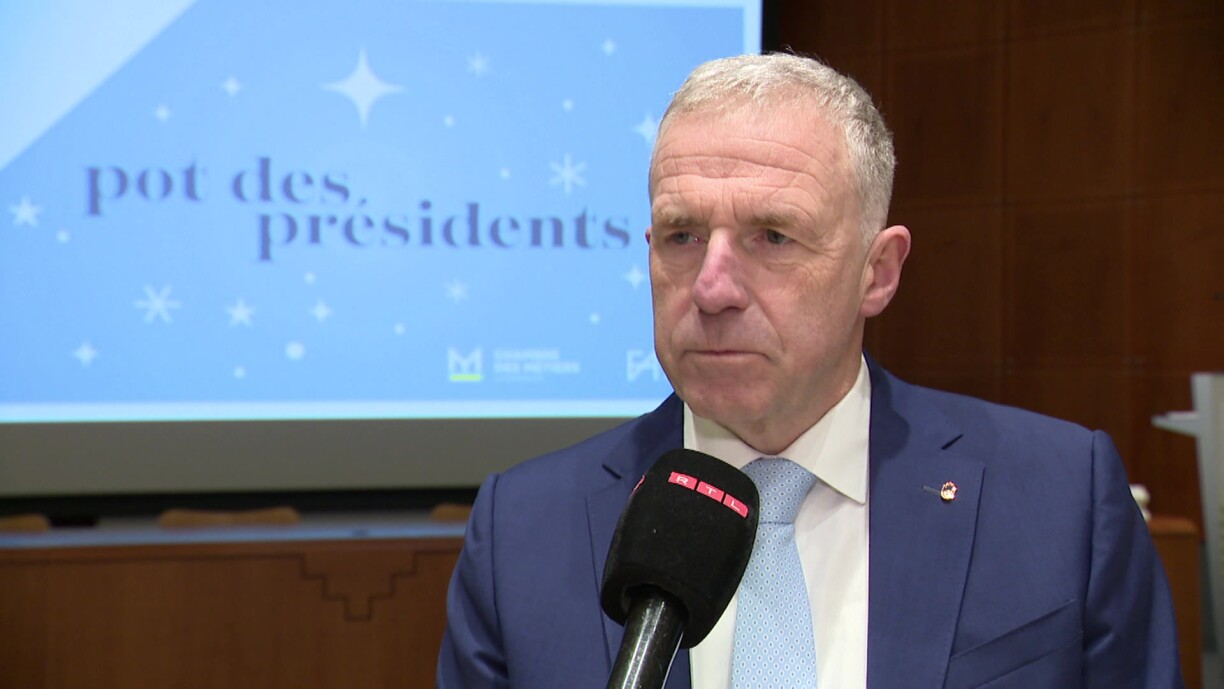
At its New Year's reception on Thursday, the Chamber of Skilled Trades and Crafts struck a tone of resilience tempered by serious concerns over structural challenges facing Luxembourg's economy. Chamber President Tom Oberweis stated the sector remains "committed, responsible, and optimistic" despite ongoing pressure.
"You can't bake the bread of the future without the right ingredients", Oberweis told attendees, suggesting that 2026 could be a decisive year for the industry if core issues are addressed.
A central and growing concern is the severe lack of affordable housing, which the Chamber views as a direct economic threat. The crisis makes it increasingly difficult for businesses to attract and retain qualified workers. Oberweis argued that raising the minimum wage is not a solution, as it would further burden companies. Compounding the problem is a shrinking construction sector, which is eroding vital expertise and creating a dangerous cycle for both housing and the broader economy.
While acknowledging that some legislative steps have been taken on training and fiscal policy since the start of the parliamentary term, Oberweis lamented a persistent "lack of stability and predictability". He identified massive room for improvement in reducing bureaucracy and boosting competitiveness, noting that concrete measures are still not being felt by businesses on the ground.
Oberweis was critical of the current social dialogue, which he described as "talking past each other", and argued that the "Luxembourg model" is no longer sufficient. To prepare for tomorrow's world of work – including ecological and digital transitions and the integration of a new generation – he called for a renewed approach from businesses.
In his address, Oberweis underscored the economic significance of the skilled trades sector, which accounts for 20% of employment in Luxembourg's businesses. Describing it as "clearly a sector of the future", he argued it must be valued accordingly – including through the establishment of a clear and coherent legal status for the self-employed, a measure that remains pending.
Oberweis also urged the government to finally implement its Talent Attraction strategy to address the sector's labour shortages. At the same time, he cautioned against overregulation. "Give us a framework and let us breathe within that framework. Too many rules don't create security, they create uncertainty for the tradesperson, who no longer knows what they are allowed to do or not", he stated.
While not minimising the sector's current difficulties, Oberweis concluded on a note of resolve. He reaffirmed that the skilled trades remain "committed, responsible, and optimistic" despite the challenging environment.
He expressed confidence that with greater trust, predictability, and room to manoeuvre, the challenges facing the sector in 2026 could be transformed into shared opportunities for the future.





