For the week of 15-21 February, the number of people testing positive for Covid-19 increased by 14% from 1,099 to 1,249 people, while the number of their identified close contacts fell from 2,860 to 2,766 contacts (-3.3%).
The number of PCR tests carried out during the week decreased from 70,617 to 60,717.
As of 21 February, the number of active infections stood at 2,613 (compared to 2,597 on 14 February) and the number of people cured has increased from 49,770 to 50,931. The average age of people diagnosed with Covid-19 has increased to 38.1 years.
16 new deaths, against 11 the previous week, in connection with Covid-19 are to be deplored. The average age of the deceased is 80 years.
In hospitals, the situation remains relatively stable, with 59 hospitalisations in normal care and 15 hospitalisations in intensive care, compared to 55 and 13 in the previous week, respectively.
For the reference period, the effective reproduction rate (RT eff) increased slightly from 1.00% to 1.05%. An increase can also be observed with regard to the positivity rate on all the tests carried out (prescriptions, Large Scale Testing, contact tracing) with 2.06% against 1.56% last week (average over the week). The positivity rate for tests carried out on prescription, therefore for people with symptoms, has increased significantly with 5.70% against 3.52% for the week before.
The incidence rate is 200 cases per 100,000 inhabitants over 7 days. For the week of 8 February, the incidence rate stood at 176 cases per 100,000 inhabitants over 7 days. The incidence rate has increased in all age groups except 0-14 years (-24%), "probably due to the closure of schools for two weeks", the Ministry of Health writes. Compared to the previous week, the 60-74 and 30-44 age groups recorded the greatest increase (+ 75% and + 49%, respectively). The 30-44 age group now has the highest incidence rate while the 60-74 age group continues to have the lowest incidence rate.
For the week of 15-21 February, 2,511 people were in isolation (+ 4%) and 2,747 in quarantine (-28% compared to the previous week).
The family circle remains the most frequent context of transmission with 45.6%, followed by leisure (5.7%) and work (4.8%). The rate of contaminations for which the source is not clearly attributable increased to 34.9%.
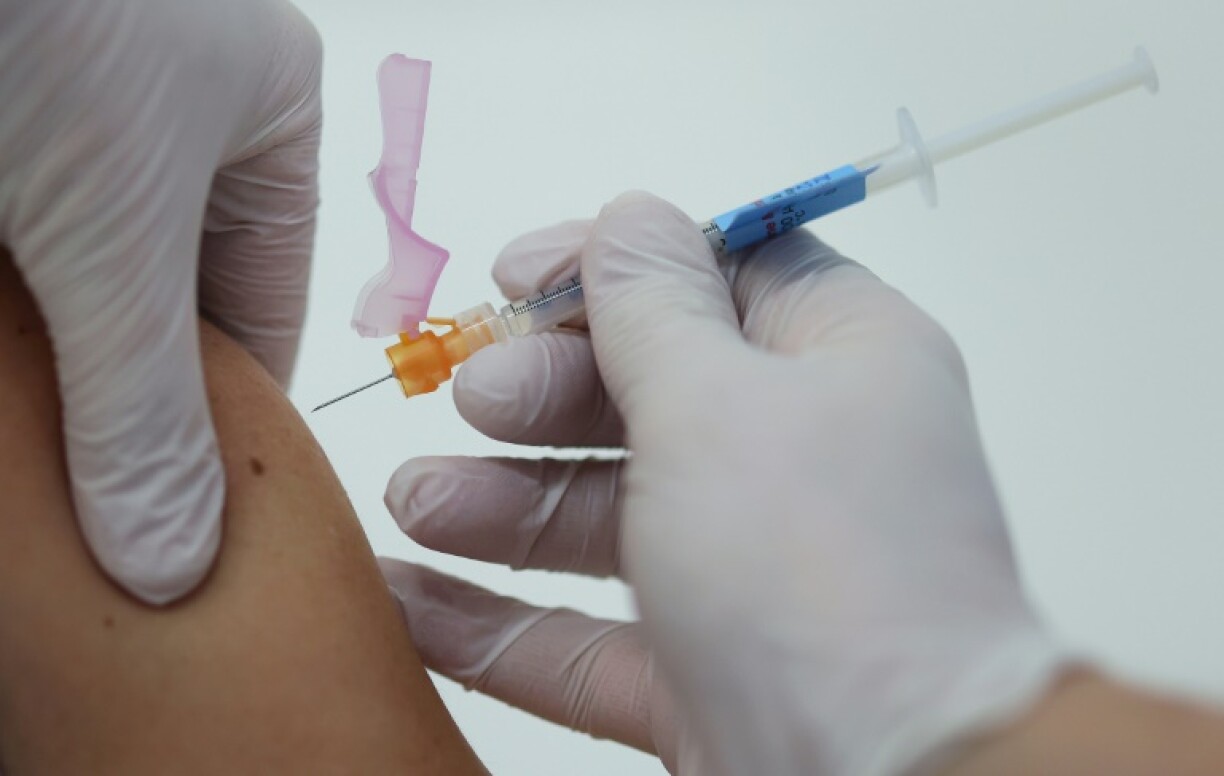
A total of 8,092 doses were administered last week. 6,004 people received a 1st dose and 2,088 a 2nd jab.
As announced in the last editions of the weekly report, the National Health Laboratory (LNS) has set up a sequencing system with representative results for the entire population of Luxembourg.
Concerning the representative sampling of 132 carried out for the week of 8-14 February, the LNS notes the following distribution for the variants:
- the British UK variant (B.1.1.7) represents 76 cases = 57.6%,
- the South African variant SA (B.1.351) represents 6 cases = 4.5%,
- no new case of the Brazilian variant (P.1 or P.2) was found.
The sample size of 132 is equivalent to 12%, which is higher than the optimal rate of 10% recommended by ECDC to have a representative sample.





