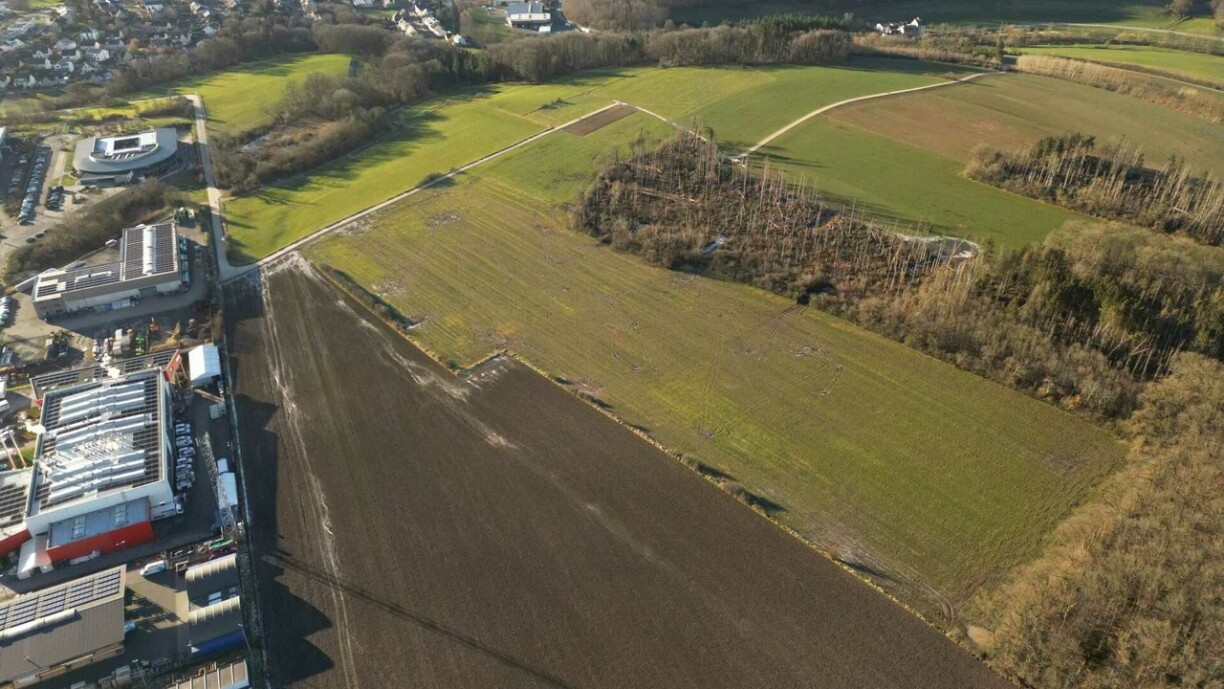
Google bought a 33.7-hectare plot in the Bissen industrial zone in 2017 with ambitions to build a large-scale data centre. Now, almost ten years on, the multinational tech giant appears on the verge of obtaining construction approval.
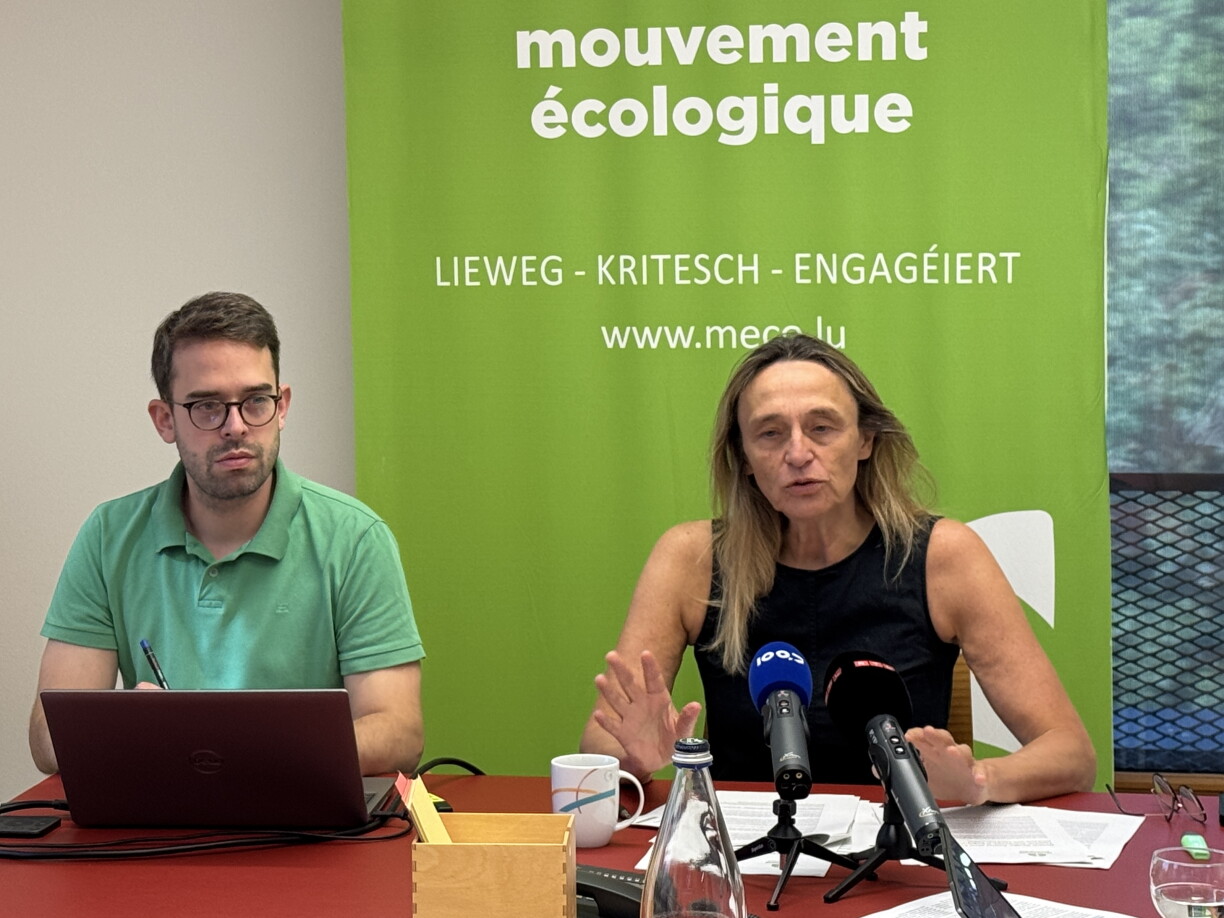
Environmental group Mouvement écologique warns, however, that it is prepared to take legal action should permission be granted. "If Google gets planning permission, we will go to court", declared Blanche Weber of Mouvement écologique, adding that the organisation now has more questions than ever regarding the project.
A key concern centres on why Google does not intend to implement the highest possible sustainability standards for the facility. To scrutinise the project, Mouvement écologique commissioned a study from Germany’s Öko-Institut.
According to the findings, the data centre in its current design could consume up to 950 gigawatt-hours of electricity annually, roughly equivalent to the total annual consumption of all private households in Luxembourg, or about 15% of the country's total power usage.
The study suggests that greenhouse gas emissions could be cut by up to 97% if several improvements were made, including the exclusive use of renewable energy, harnessing waste heat, opting for battery storage instead of diesel generators, and employing natural cooling methods.
Jens Gröger of the Öko-Institut, speaking via video conference, showed surprise as to why Google's plans in Luxembourg would fall below its own global standards by presenting such an inadequate concept.
Local authorities signal support
Despite these reservations, the project appears to be progressing. Bissen Mayor David Viaggi stated that previous questions around water consumption have been resolved, and Google has been "very transparent" on noise issues. "We want the public to know we are working with the company to ensure everything is done properly", he remarked.
Viaggi argued that concerns about unused waste heat are not directly linked to the planning permission itself, though productive discussions are ongoing with both the national energy authority and Google to identify possible solutions. The Mayor also emphasised that further responses to criticism are planned both before and after any official approval is granted.
Mouvement écologique, however, is insisting on greater clarity and demands comprehensive information on the potential impact of the data centre, including its energy and CO2 footprint. "This is data that should not be subject to Google’s confidentiality clause", argued Marc Krier of the environmental group.
Blanche Weber warned that time is now working against Google, given the geopolitical changes, including wars and a new US president, that have taken place in the past decade. She noted that Europe is striving to reinforce its so-called digital sovereignty, but now Luxembourg appears ready to grant a strategically valuable site – directly adjacent to the Bissen electricity substation – to a major American corporation.
If the file does not become more transparent, Mouvement écologique plans to pursue legal channels to ensure the data centre is held to the highest standards, as legally required. This would cover all relevant areas: energy, water, air quality, noise, and more.
Weber emphasises that the Movement écologique demands the government to act in the country's best interest and to refuse to accept Google’s confidentiality clause. The group is seeking proof that Luxembourg will benefit from the project, rather than suffer its disadvantages, especially as many local businesses are currently struggling to find land for their own expansion.