The Luxembourg Ministry of Finance has passed all available information to the public prosecutor regarding allegations that four executives at Gazprombank Luxembourg may have circumvented EU economic sanctions against Russia and engaged in insider trading.
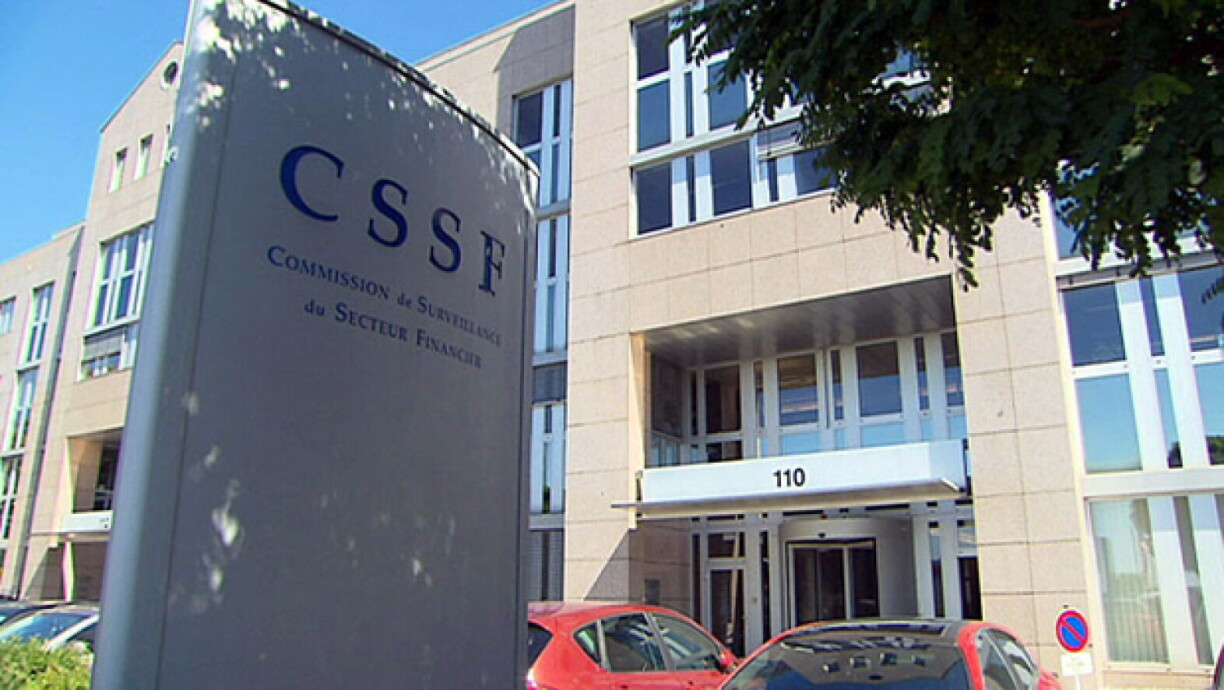
These claims were reported by the Financial Times at the end of August, with the newspaper criticising the Luxembourgish financial regulator, the Commission de Surveillance du Secteur Financier (CSSF), for allegedly failing to act decisively.
Following a meeting of the Chamber of Deputies' finance committee on Monday, Finance Minister Gilles Roth stated that after the Financial Times article was published, he instructed his staff to forward the information they had at the ministry, including the article itself and related press enquiries, to the public prosecutor's office, which has been done.
CSSF Director Claude Marx rejected the Financial Times' accusations, stating that "not everything in that article is necessarily accurate". Marx emphasised that he is legally prohibited from discussing details of specific cases within the Chamber. He also criticised the British newspaper, which, for many years, "has been painting a less than glorious picture of Luxembourg".
According to the Financial Times, the four bankers allegedly purchased cheap Gazprom bonds on the European market using loans from their own bank after the value of those bonds dropped following the introduction of sanctions in early 2022. The report alleges they strategically bought bonds which could later be exchanged in Russia at face value, making these purchases just before the bond swap was announced.
The CSSF reportedly launched an inspection in 2023 following a tip-off but failed to interview several individuals with direct knowledge of the case. When asked about the veracity of these details, Marx said he could not comment on what was true or false, as this would require disclosing what the CSSF had investigated. He did state, however, that the article was examined thoroughly and that not all the reported facts were accurate.
Marx further explained that the CSSF can only comment publicly in situations expressly provided for by law. Since Russia invaded Ukraine, Russian institutions have been monitored as closely as other high-risk actors.
Sven Clement of the Pirate Party dismissed Marx’s defence that the Financial Times was merely engaging in “Luxembourg-bashing”. Clement said that in past financial scandals such as LuxLeaks, and even in Germany’s Wirecard case, regulators initially denied media reports only to later admit the opposite. He states that he is not reassured when Mr Marx claims he can sleep soundly just because not all facts are true.
David Wagner of The Left (Déi Lénk) also expressed scepticism. He recalled that during the LuxLeaks scandal, the CSSF also accused the Financial Times of spreading fake news and of being part of a conspiracy against Luxembourg. However, then and now it failed to specify which details were supposedly false.
Franz Fayot from the Luxembourg Socialist Workers’ Party (LSAP) said he learned little new from Marx’s statements, except for the claim that information about the bond trades was already public in July and August in various forums, which would mean investors had access to the information. Fayot reckons that in the CSSF's view, this implies that no market abuse or insider trading took place.
Green Party MP Sam Tanson argued that the CSSF’s communication rules should be reassessed. She said it is essential for the regulator to be able to defend itself credibly when accused of wrongdoing and to explain why, in some cases, no financial sanctions were imposed, especially given the CSSF’s reputation for taking strong enforcement action in other cases. Tanson believes that it would matter for the reputation of Luxembourg’s financial sector that the CSSF can defend itself thoroughly.
The CSSF’s legal mandate and communication policy are currently being reviewed by the Chamber’s finance committee. Committee president Diane Adehm stated that if Sam Tanson wishes to change the law, she is free to submit a legislative proposal, noting that some of Luxembourg’s banking secrecy rules remain in force for now.





